



SacRT set to launch revamped bus network
As part of the new initiative, new system maps and bus stop signs have been put up across the region.

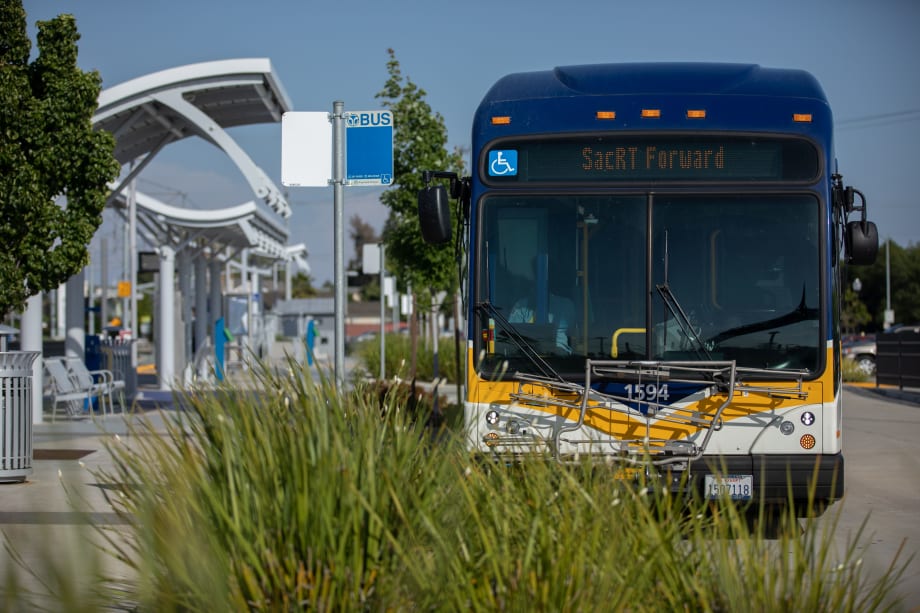
Adjustments have been made to almost every bus route, some minor and some much more substantial.
SacRT
Adjustments have been made to almost every bus route, some minor and some much more substantial.
SacRT
The Sacramento Regional Transit District (SacRT) is getting ready to roll out a newly redesigned bus network that offers seven-day-a-week service, more late night and weekend service, and more frequent service.
“We started from a blank slate and took a closer look at where people live, work, and play in the Sacramento region to develop a new bus network that will improve mobility and move the region forward,” said SacRT GM/CEO Henry Li.
SacRT began the process of redesigning the bus network nearly three years ago, with the support of its planning partners, the Sacramento Area Council of Governments (SACOG). SACOG assisted SacRT with the selection of a consulting team, study funding, and other key elements of the process.
Adjustments have been made to almost every bus route, some minor and some much more substantial.
SacRT invested an additional $3 million to improve service on the new network, which includes:
27 regular fixed routes.
15 peak hour-only routes.
All routes have 7-day a week service.
More 15 minute service routes and all routes have at least 45 minute or better service.
As part of the new bus network, new system maps and bus stop signs have been put up across the region. This is the first time in 30 years that SacRT has redesigned the bus stop sign. The new sign is double sided, so riders can see the information from both directions and features the destination name so riders know which direction the bus is headed.
More Bus

More Than a Summer Job: Building the Next Generation of Transit Talent
The Delaware River Port Authority and PATCO have transformed their internship program into a hands-on professional development experience that introduces students to the breadth of transportation careers — and creates a pipeline for future employees.
Read More →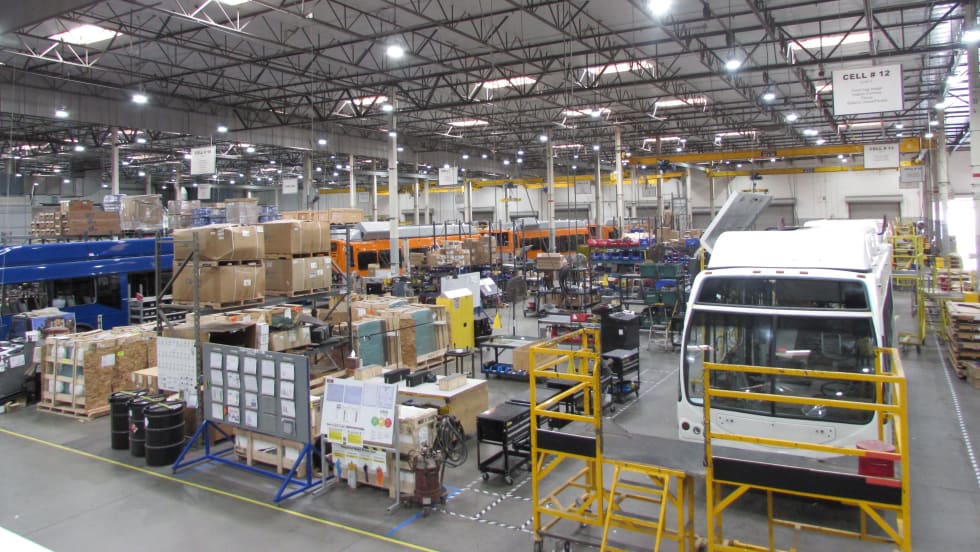
LA Metro Board Awards 220 Battery-Electric Bus Contract to ENC
The contract, which is the largest base award of battery-electric buses by a U.S. transit agency, will be built in Southern California, sustaining good jobs as LA prepares to welcome the world in 2028
Read More →
Public Transit Conference Returning to GFX in 2027, Call for Papers Now Open
The Call for Papers is now open, allowing transit agency professionals and industry experts to help shape the PTC educational program by submitting session ideas for consideration.
Read More →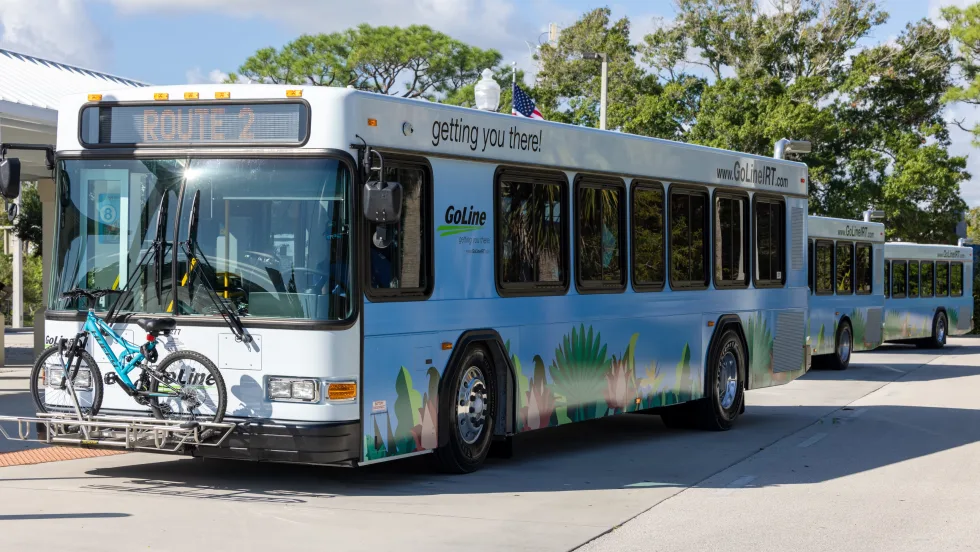
Indian River Transit’s Community-Focused Approach Earns National Recognition
Named APTA’s 2026 Outstanding Public Transportation System in its size category, Florida’s Indian River County transit system continues to grow ridership through fare-free service and a focus on evolving community needs.
Read More →
ENC Lands MATA Contract and More in Biz Briefs
In this edition of Biz Briefs, we spotlight the latest developments shaping the future of mobility.
Read More →
From Surviving to Thriving: Building Stronger Transportation Organizations
Bus Business Consultants founder Brian Dickson shares lessons on leadership, organizational health, and creating options for long-term success in a changing transportation industry.
Read More →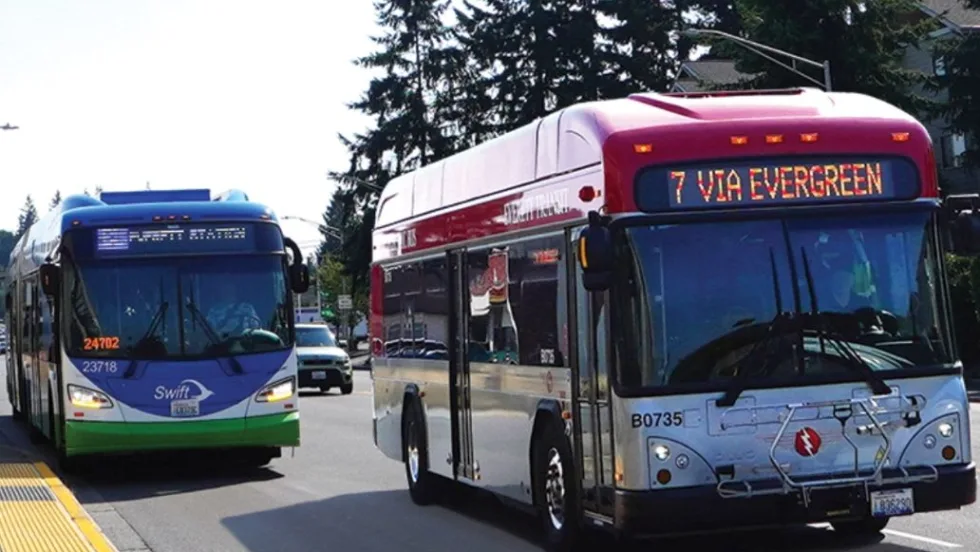
Everett Transit, Community Transit Outline Consolidation Agreement
The proposed agreement calls for a 50% increase in bus service in Everett, a new microtransit zone, continued paratransit service, and the transfer of Everett Transit operations to Community Transit.
Read More →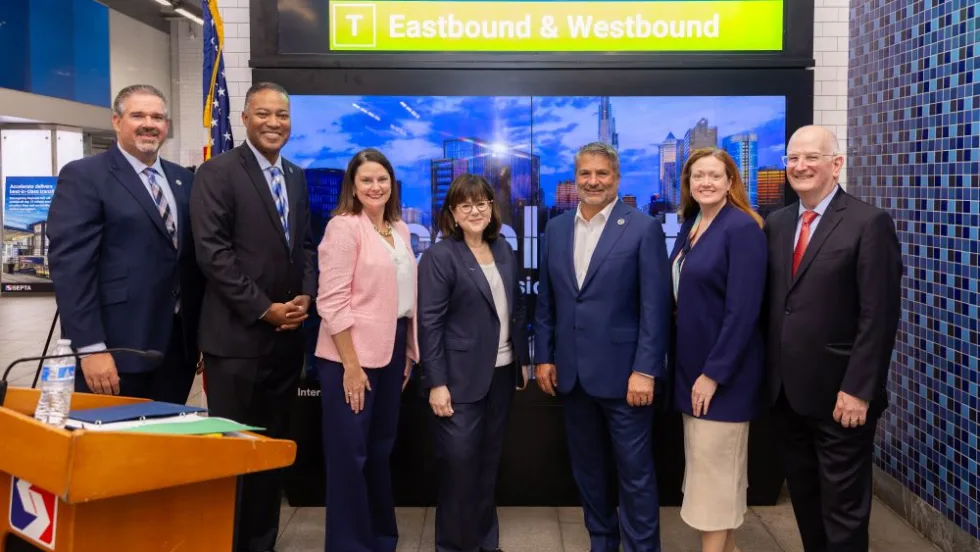
SEPTA Details Accelerate Vision for Transit System
The plan outlines investments in trolley modernization, new Metro and Regional Rail vehicles, accessible stations, and more frequent bus and rail service.
Read More →
Report: Transit Bus Manufacturing Supports 34,100 Jobs, $5.1B in GDP
The “Buses Mean Business” report examines the transit bus manufacturing industry’s economic footprint, supply chain, and rising demand for vehicle replacements.
Read More →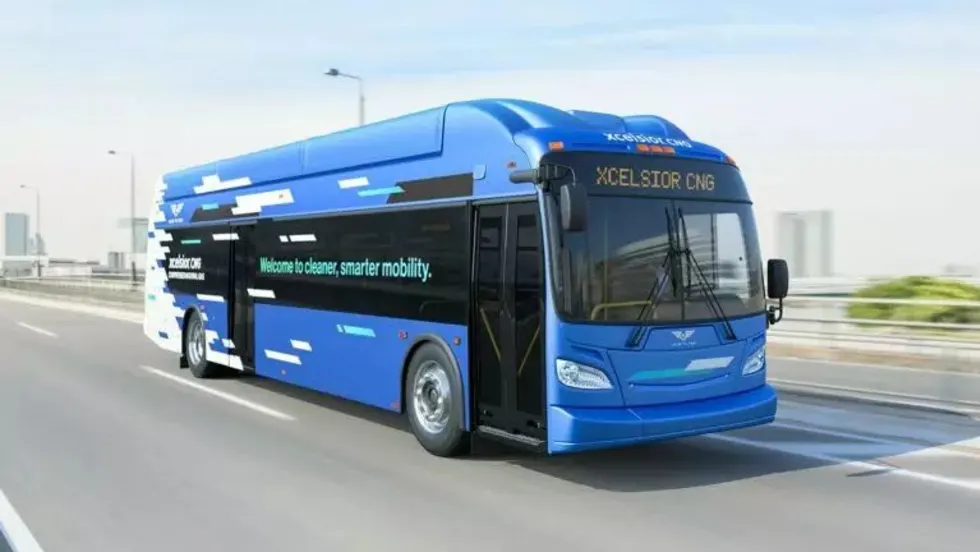
Biz Briefs: New Flyer Delivers in Columbus, Houston, Beep and Freebee Merge, and More
In this edition of Biz Briefs, we spotlight the latest developments shaping the future of mobility.
Read More →