



Denver RTD approves new fare policies for 2019
The recommended package of fare policy changes is forecasted to reach fare revenue target levels over the next three years.

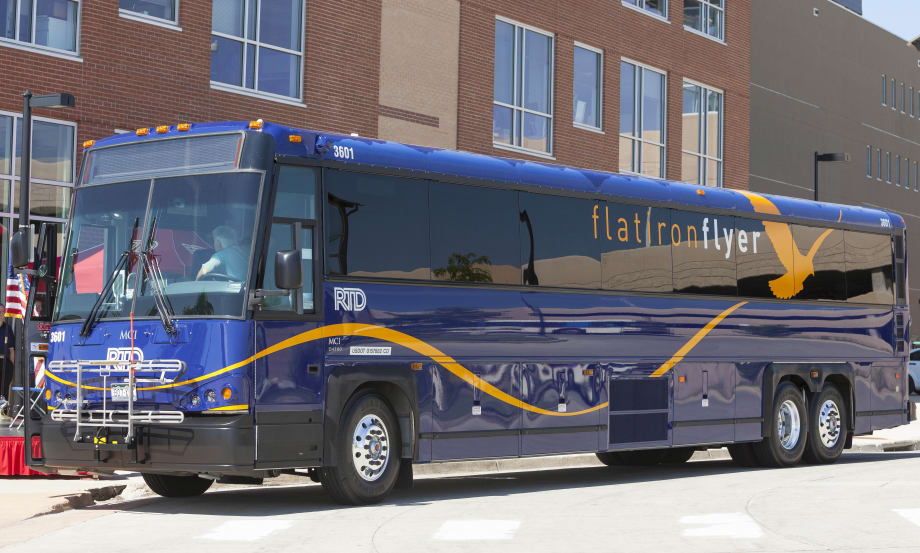
Changes would be implemented starting in January, with a low-income program estimated to begin in July
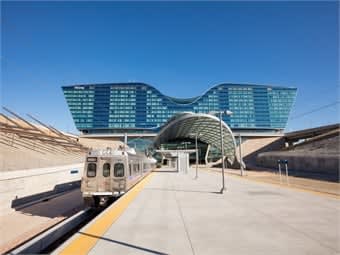
The RTD's new fare policy increases local fare to $3, Regional fare to $5.25 and fare to Denver International Airport to $10.50.
RTD
The Denver Regional Transportation District’s board of directors approved changes to fares and pass programs that will take effect starting early next year, including the introduction of a low-income program, an increased discount for riders between six and 19 years old, and changes to fares.
The recommended package of fare policy changes is forecasted to reach fare revenue target levels over the next three years. It delivers all the elements of a proposal that reflects feedback from thousands of people about three proposed options and RTD’s fare review process, scheduled to take place every three years. This comprehensive review of the agency’s fares and passes began at the request of RTD’s 15-member board, which authorized the examination in 2015 in response to public requests during the prior fare review.
Changes would be implemented starting in January, with a low-income program estimated to begin in July. A Title VI equity analysis of all changes has been completed, and no concerns were found per the board-adopted Disparate Impact and Disproportionate Burden Policy.
With its approval, the board has authorized the following changes to fares and passes:
Introduce a low-income fare program, providing a 40% discount to households at or below 185% of the federal poverty level.
Increase the discount offered to riders between 6 and 19 years old to 70%. (Up to three children five and younger would continue to ride free with a fare-paying adult.)
Introduce a three-hour pass, replacing a three-hour one-way transfer.
Continue offering EcoPass, Neighborhood EcoPass, and CollegePass, which will be priced based upon trips taken.
Retain 10-Ride ticket books and MyRide smart cards with discounts.
Retain day and monthly passes and FlexPass.
Discontinue ValuPass (those interested instead could purchase 12 monthly passes).
Increase Local fare to $3, Regional fare to $5.25 and fare to Denver International Airport to $10.50.
Changes would be implemented starting in January, with a low-income program estimated to begin in July
The board’s decision was informed by public comments gathered through a variety of means, including eight open house public meetings across the district, a telephone town hall meeting involving thousands of calls, the RTD webpage, meetings with agency advisory committees and Neighborhood EcoPass coordinators, and a districtwide telephone survey.
The fare review process also took into consideration a consensus recommendation resulting from a separate but parallel process: a year-long pass program study that concluded earlier this year. The 25 members of the working group — formed at the request of the RTD board — met monthly for lengthy discussions about whether changes should be made to the agency’s pass programs. The group formulated several options, all carefully modeled by a consultant for their impact on total fare revenue and ridership. The recommendation that emerged from this process had been reviewed by agency staff before being considered for approval this month by the board.
More Management

METRO Opens Submissions for 2026 Motorcoach Awards
Nominations are now being accepted for METRO Magazine’s Operator of the Year and Innovative Operator of the Year awards.
Read More →
New York MTA Advances Final Contract for Second Avenue Subway Expansion
Contract Four is the largest in the Second Avenue Subway Phase 2 project and includes construction of station infrastructure, tracks, and signals for the subway expansion, MTA officials said. Work on Contract Four will begin in 2027.
Read More →
Transit Agencies Highlight Safety Gains at National Summit
Leaders from 15 major transit systems shared crime-reduction results and safety initiatives while discussing the role of continued federal support.
Read More →

NITA Names New Leadership, Expands Reduced-Fare Program at First Board Meeting
The new regional transit authority appointed its first board chair and interim executive director while extending reduced fares across CTA, Metra, and Pace for eligible riders.
Read More →
Beyond the Checklist: A Structured Approach to Transit Maintenance
Reliability-Centered Maintenance helps transit agencies move beyond routine checklists to focus limited resources on the assets and failures that have the greatest impact on safety, reliability, and service.
Read More →
APTA 2026 Nominating Committee Selects Leadership Slate, Names Chair and Vice Chair Nominees
Leadership changes will help shape the association’s priorities and its representation of the transportation industry during the 2026–2027 term.
Read More →
DART Launches Major Security, Fare Enforcement Initiative
The 90-day demonstration will deploy coordinated security teams at five light rail stations while testing controlled access and gathering data to guide future investments.
Read More →
Advancing Fare Collection Through Technology and Innovation
Learn about delivering 1300 gates at 91 stations while managing fare evasion. Explore the large scale deployment, solution customization and real-world results that affect the region. Prepare for deployment in your region now.
Read More →
Game Day in Motion: Moving Millions During the 2026 World Cup
Between packed transit stations and team motorcoaches, see how agencies and operators across North America tackled the transportation demands of the 2026 FIFA World Cup.
Read More →
Surface Transportation Extension Averts Shutdown, Leaves Transit Funding Gap
The stopgap keeps federal transportation programs moving, but missing advance funding could complicate the transit and rail projects agencies are planning next.
Read More →