



85% of transportation-related ballot measures successful
Overall in 2018, public transportation won 30 of 36 ballot measures in primary and general elections, a win percentage of 83%, according to APTA.



Ballot measures, which increased or secured investment in public transit, earned the approval of voters in states from California to Connecticut, New Mexico to Maine, and Virginia to Florida on Tuesday.
Overall in 2018, public transportation won 30 of 36 ballot measures in primary and general elections, a win percentage of 83%, according to APTA. On Tuesday, voters passed 17 of 20 transportation-related ballot measures — an approval rate of 85%. Two measures remain undecided in San Mateo, Calif. and Flagstaff, Ariz. Over the past two decades, public transportation measures have won more than 70% of the time.
“The voters have spoken and put their vote, and hard-earned tax dollars, where they know it’s needed, by investing in public transportation,” said APTA President/CEO Paul P. Skoutelas. “From big cities to small municipalities, voters approved measures that will expand and improve public transit, spur economic development and job creation, and connect communities and the people who live in them. November 6 was a banner day for public transportation at the ballot box.”
In California, the effort to roll back fuel taxes and vehicle registration fees that pay for transportation and infrastructure projects in California was defeated by a strong majority.
Prop. 6, the so-called gas-tax repeal, would have overturned Senate Bill 1 — the Road Repair and Accountability Act. The bill passed the state Legislature by a two-thirds majority last year, adding 12 cents a gallon for gasoline, 20 cents for diesel, and increasing vehicle registration fees.
“People know you get what you pay for,” said Gov. Jerry Brown. “We have built hundreds of thousands of miles of roads and highways, and you got to keep them fixed up. Everybody knows, if you don’t fix your roof, it leaks.”
In Fla., voters approved Referendum Number 2 in Hillsborough County, which contained a 1% increase in the sales tax that expires in 30 years. Forty-five percent of the revenue generated is earmarked for the Hillsborough Area Regional Transit.
In Broward County, Fla., voters approved a proposal to levy a 1% sales tax for 30 years that will go to countywide transportation improvements.
Overall, $9 billion of the $15.6 billion in raised revenue will be for new light rail lines, while the rest of the revenue will go toward new and enhanced local bus routes, expanded paratransit and community shuttle service, bike lanes, smart signal technology for traffic lights to adapt in real time, and roadway drainage to prevent flooding.
Meanwhile ballot measures in Austin, Texas and Arlington County, Va., were overwhelmingly passed, with an 81% majority.
In Austin, voters approved Proposition G — a $160 million bond measure that will go to road, street, sidewalk, intersection, and pedestrian safety improvements and urban trails. In Arlington County, voters passed Bond Referendum 1, which will generate $74.57 million for a variety of transportation, road, pedestrian enhancement, and transit projects across the county. The largest components of the proposal are expected to be $44 million for Arlington County’s share of WMATA’s capital improvement program, and $21 million to fund a portion of the costs for paving local streets and roadways.
For a table of results of public transportation-related ballot measures, click here.
More Management
Brian Dickson on Building Stronger, More Resilient Transportation Organizations
Bus Business Consultants Founder Brian Dickson discusses the leadership principles, operational discipline, and strategic planning that separate transportation companies positioned for long-term success from those stuck in survival mode.
Read More →
LA Metro Breaks Ground on Vermont BRT Project
The 12.4-mile corridor is projected to serve 66,200 daily riders, reduce travel times by up to 24%, and create the nation's busiest bus rapid transit corridor.
Read More →
Building Stronger Leaders, More Resilient Transit Teams
Dr. Carol Parker Walsh discusses leadership development, employee retention, workplace culture, and preparing transit’s workforce for AI and automation.
Read More →
Roman Cornell on ABC Companies’ Evolution and the Future of Passenger Transportation
The company’s CEO discusses carrying forward a third-generation family legacy, ABC’s continued evolution in passenger transportation, support for increasingly complex fleets, and how technology and continued investment could help operators improve uptime.
Read More →
CATS Launches West Charlotte Microtransit Zone, Expands Transit Services
The new microtransit zone connects residents to key destinations as Charlotte Area Transit System rolls out the first phase of its 2055 Transit System Plan.
Read More →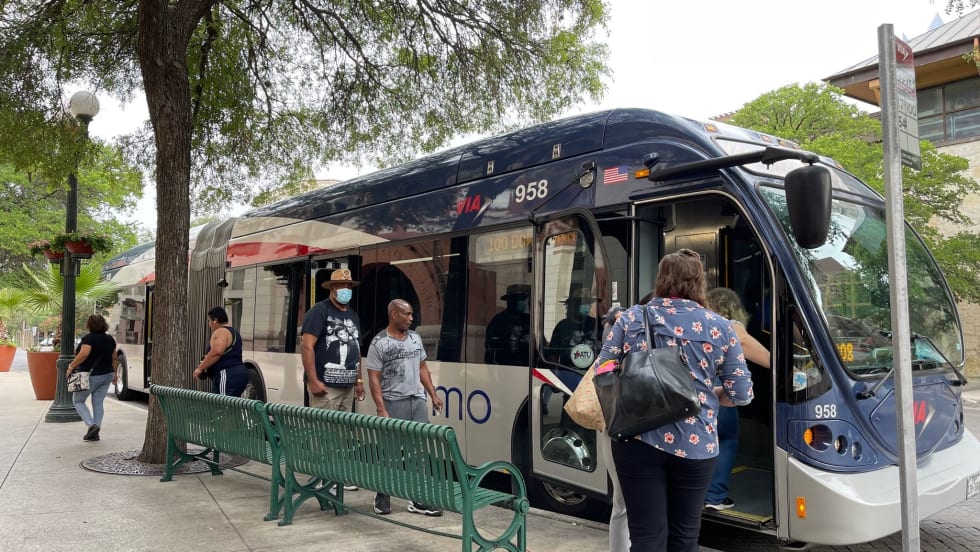
VIA Bus Ridership Grows 10.1% Through August 2026
San Antonio's VIA Metropolitan Transit reported the highest bus ridership growth among major Texas transit systems. Federal Transit Administration data ranked it second among the nation's 50 largest transit systems.
Read More →
CSA Group Releases Climate Resilience Standard for Transit, Passenger Rail
Developed with support from the Standards Council of Canada, CSA D700 guides assessing climate-related risks and planning adaptation measures for transit and passenger rail systems.
Read More →
ETA CEO John Maglio on Transit Technology, Innovation, and Building Agency Trust
ETA founder and CEO John Maglio explores the evolution of transit technology, the importance of reliable systems, and how stronger partnerships can help agencies improve operations and the passenger experience.
Read More →
COTA Launches First Customer Experience Action Plan to Improve Transit Service
The new plan outlines improvements to service reliability, accessibility, communication, and the overall rider experience across Central Ohio's transit system.
Read More →
LA Metro September Ridership Climbs 3.9%, Led by Rail Growth
The agency recorded more than 27.2 million boardings, with rail ridership increasing 12.4% year over year and the D Line posting the largest gains.
Read More →