



ABA pledges support at NAFTA conference
NAFTA's land transportation provisions will allow motor carriers from all three NAFTA countries unprecedented access to one anothers' roadways, passengers and freight.

In a speech to attendees of the North American Free Trade Agreement (NAFTA) Land Transportation Conference, American Bus Association (ABA) President and CEO Peter J. Pantuso urged the United States, Canada and Mexico to keep "all prudent safety and regulatory protections in place." Pantuso was a featured speaker at the conference held May 28 to 31 in San Antonio. The event was co-sponsored by the U.S. Department of Transportation. "The ABA has long believed in the promise of NAFTA," said Pantuso. "Implemented fairly and safely, NAFTA has the potential to dramatically increase already significant travel and tourism opportunities within North America." Pantuso said the ABA will remain vigilant as the agreement's implementation moves forward, specifically in relation to the fair and equitable implementation of the Motor Carrier Safety Improvement Act, the development of new border security and inspection measures and guidelines, and other current transportation safety and security challenges. Pantuso, who shared the podium with Brian Crow, president of Motor Coach Canada, pledged to work closely with both Motor Coach Canada and CANAPAT, the Mexican motorcoach industry association, in support of their collective members. The NAFTA Land Transportation Conference was held in anticipation of the full U.S. implementations of NAFTA's land transportation provisions on June 30, 2002, which will allow motor carriers from all three NAFTA countries unprecedented access to one anothers' roadways, passengers and freight.
More Management
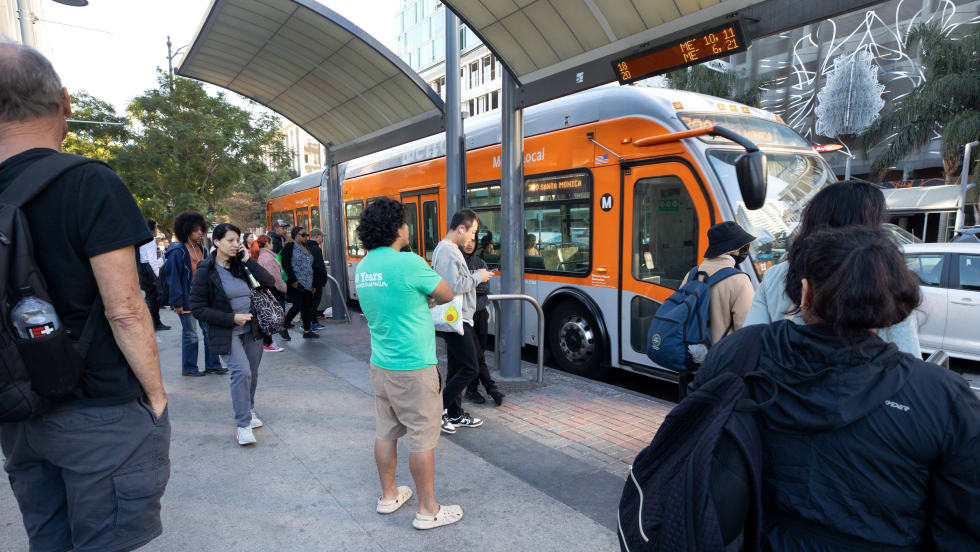
LA Metro Ridership Continues Growth as Rail Gains Accelerate
New rail connections and major events help drive continued ridership gains, with Metro recording its eighth consecutive month of year-over-year rail growth.
Read More →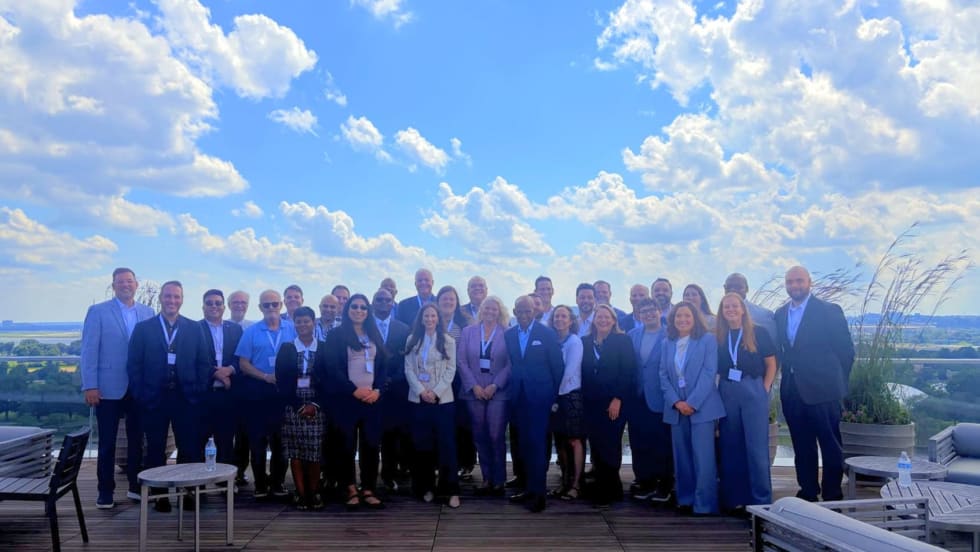
TransDASH Summit Focuses on Measuring What Matters in Transit
Transit agencies unveil a national performance platform designed to benchmark customer experience, safety, community value, and other outcomes.
Read More →
Jacksonville’s NAVI Project Charts a New Course for Autonomous Public Transportation
Through its NAVI program, JTA is showing how autonomous vehicles, intelligent infrastructure, and coordinated operations can work together to deliver everyday public transportation.
Read More →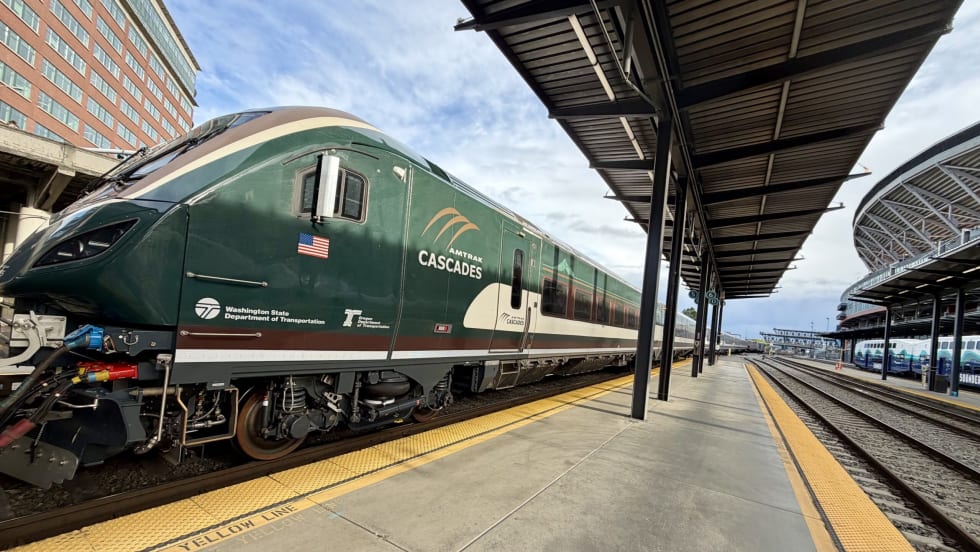
FRA Announces $5.3B in Rail Investments, Including $2B for Amtrak
Funding will support grade-crossing improvements, infrastructure upgrades, and new Amtrak equipment in 23 states.
Read More →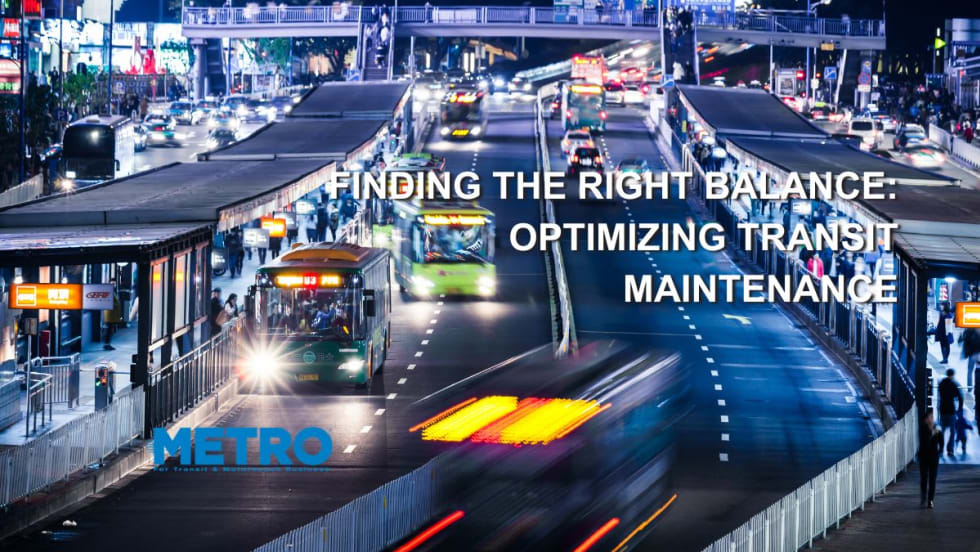
Finding the ‘Happy Medium’: Optimizing Maintenance Without Sacrificing Reliability
The key to maintenance optimization isn’t doing less work—it’s doing the right work at the right time on the right assets.
Read More →
People Movement: MARTA Drops Interim Tag on GM/CEO Hunt and More
In this edition, METRO covers recent appointments and announcements at the FMCSA, HDR, SilverRide, and more, showcasing the individuals helping to shape the future of transportation.
Read More →
VIA Metropolitan Transit Reports 2 Million More Passenger Trips as Better Bus Plan Gains Momentum
San Antonio's transit agency said accelerated service improvements are driving ridership growth, offering another example of how increased frequency and workforce investments can translate into stronger transit performance.
Read More →
ABAF Study Reveals Growing Insurance Crisis for Motorcoach Operators
Preliminary findings show 98% of operators faced premium increases over the past five years, while shrinking insurer participation is putting added pressure on businesses and customers.
Read More →
PSTA Modernizes Workforce Management with Digital Bidding System
The award-winning Workforce Transit Modernization project replaced paper bidding with a transparent digital platform, cutting administrative effort while improving access for operators.
Read More →
Chicago to Host Public Transportation's Biggest Gathering at APTA TRANSform & EXPO 2026
North America’s largest public transportation gathering returns to Chicago, connecting transit decision-makers with the technologies, ideas, and partnerships driving the industry forward.
Read More →