




Keep Readng: APTA Releases 2025 Public Transportation Vehicle Database
American Public Transportation Association Hosts 2025 Congressional Fly-In
APTA leaders and members met with lawmakers to advocate for full federal funding of transit and passenger rail, along with policy reforms to accelerate project delivery and strengthen local decision-making.
October 24, 2025
APTA President and CEO Paul P. Skoutelas and association members met with key Senators and Representatives to discuss FY 2026 transit and rail funding priorities.
Photo: METRO
3 min to read
American Public Transportation Association (APTA) members met with key members of Congress to advocate for robust federal investment in public transportation infrastructure and critical statutory reforms. Both the Senate and House of Representatives have advanced FY 2026 THUD Appropriations bills.
As Congress works to complete the FY 2026 THUD Appropriations bill and develop legislation to succeed the expiring Infrastructure Investment and Jobs Act (IIJA), APTA is calling for $22.3 billion in public transit funding and $21 billion for passenger rail in the upcoming fiscal year.
“Fiscal Year 2026 represents a pivotal moment for the future of public transportation in America,” said Paul P. Skoutelas, president and CEO of APTA. “Every dollar we invest in public transit generates five dollars in long-term economic returns. These aren’t just numbers — they represent real opportunities for communities across our nation to thrive.”
According to an association release, federal public transit and passenger rail investments deliver broad economic benefits, with 77% of funding flowing to the private sector. Every billion dollars invested creates or sustains nearly 50,000 jobs across the entire economy, demonstrating the multiplier effect of transit investment.
APTA Seeks Long-Term Commitment to Transit and Rail
APTA also noted its strong support for the Senate THUD Appropriations bill, which increases public transit investment to more than $21 billion and maintains passenger rail investment at $16.2 billion.
The association urges Congress to reject House provisions that would cut Capital Investment Grants (CIG) to the lowest level in almost 30 years and prohibit funding for specific passenger rail projects.
Looking beyond FY 2026, APTA calls on Congress to build upon current investment levels in the next Surface Transportation Authorization Act, providing $138 billion for public transit and $130 billion for passenger rail over five years. These investments will drive economic growth, create jobs and new opportunities, advance safety, security, and accessibility, and foster innovation.
In addition, APTA urges Congress to advance critical statutory reforms that streamline program requirements and accelerate project delivery, including:
Streamline Statutory Requirements for Public Transit and Passenger Rail (e.g., simplify CIG requirements, eliminate bus spare ratio requirement).
Advance Safety, Security, and Accessibility for Riders, Workers, and Communities (e.g.,establish clear Transit CEO executive authority for agency safety).
Strengthen Collaborative, Local Decision-making (e.g., ensure public transit voting representation on Metropolitan Planning Organizations).
Accelerate Project Delivery and Permitting Reform (e.g., authorize transit agency assumption of environmental responsibility).
“Congress must act now to fully fund public transit and passenger rail, reject harmful cuts to critical programs like Capital Investment Grants, and provide the statutory clarity our industry needs to deliver safe, reliable service,” Skoutelas said.
APTA business members, transit agency CEOs, and transit board members met directly with six Senators and Representatives, including Senator John Curtis (R-UT) and Representatives Jasmine Crockett (D-TX), Tom Kean Jr. (R-NJ), Celeste Maloy (R-UT), Dan Newhouse (R-WA), and Lloyd Smucker (R-PA).
More Management

Best and Worst U.S. Cities for Public Transportation in 2026
A new analysis of 50 major U.S. urban areas ranks public transit systems based on accessibility, affordability, usefulness, and safety, highlighting where transit performs best and where challenges remain.
Read More →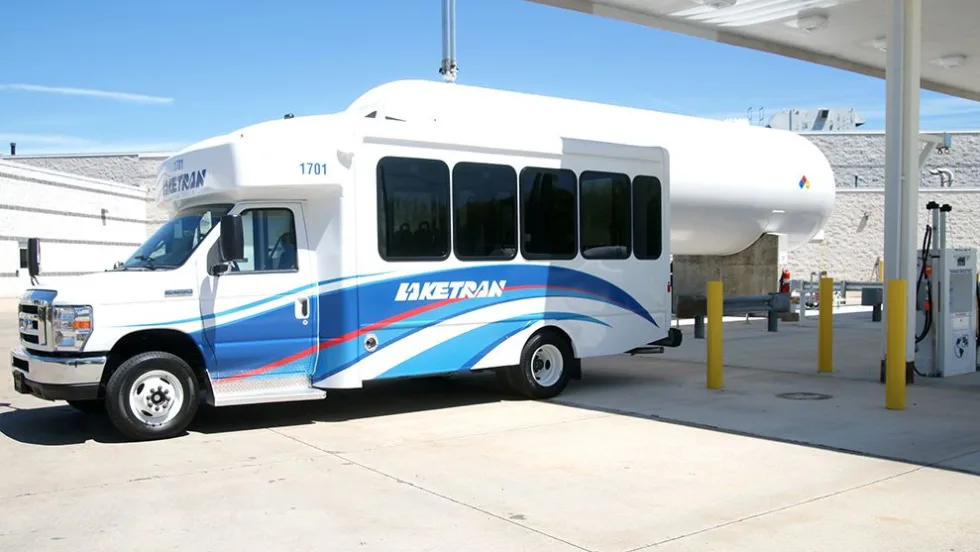
Laketran Cuts Fuel Costs, Boosts Efficiency with Propane-Powered Fleet
The Ohio transit agency is using propane-powered vehicles and on-site fueling infrastructure to cut fuel and maintenance costs while meeting growing demand for paratransit services.
Read More →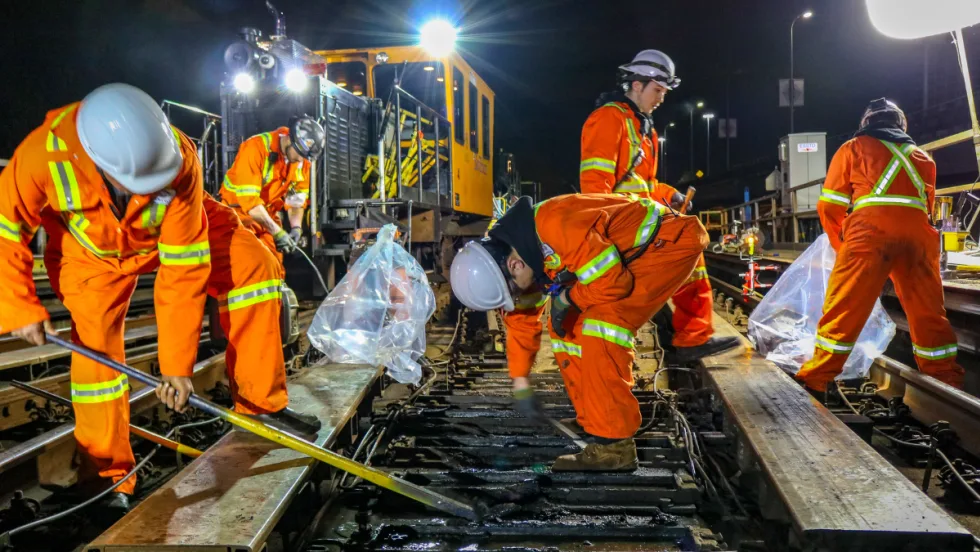
Canada’s Public Transit Supports $65.6 Billion in Annual GDP
New research from the Canadian Chamber of Commerce examines transit's economic contributions, including job creation and the financial implications of transportation investment.
Read More →
Pierce Transit Moves to Expand Fleet Following Proposition 1 Approval
The agency authorized the purchase or refurbishment of up to 60 buses to support a 47% service expansion, as voters nationwide approved billions in new transit funding.
Read More →
Right-Sizing Rural Transit: Lessons from North Grenville’s On-Demand Model
A small municipality shows how flexible service, rider needs, and public accountability can expand mobility with limited resources.
Read More →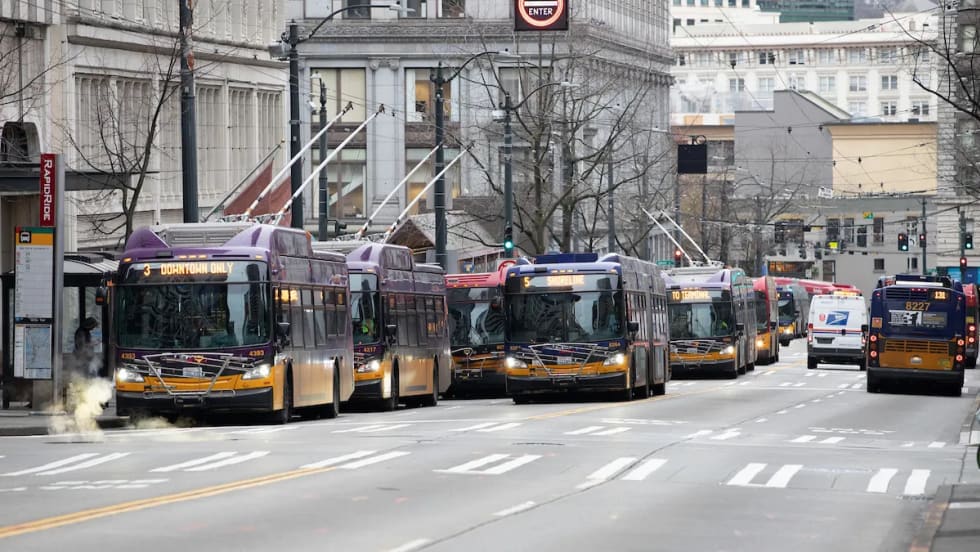
Transit Ballot Victories Signal Strong Voter Support: What Comes Next?
Voters approved billions in public transportation investments in 2026, giving agencies opportunities to preserve service, expand operations, and strengthen regional connections amid a changing political landscape.
Read More →
Transit Expands Agency Partnerships, Reaching 200 Official App Partners
COO Jake Sion discusses Transit’s growth, the success of its Transit Royale program, and how technology is helping agencies improve the rider experience.
Read More →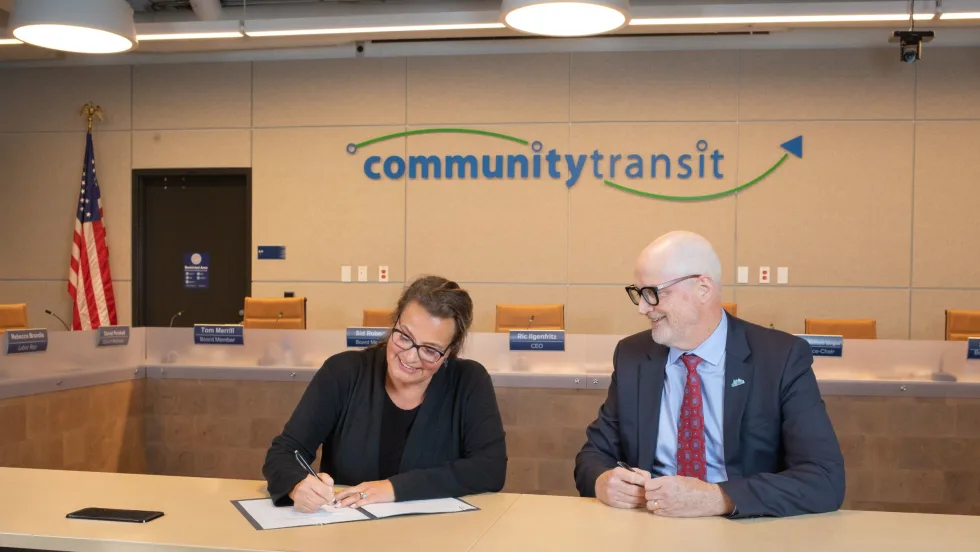
Everett Transit, Community Transit Approve Consolidation of Services
The agreement will bring Everett Transit into Community Transit’s network in April 2027, with plans to increase bus service by 50% by 2031 and expand regional connections.
Read More →
NITA Proposes $5B Operating Budget, $9.7B Capital Program for 2027
The proposed budget includes funding for expanded transit service, safety initiatives, fleet upgrades, and infrastructure improvements across CTA, Metra, and Pace.
Read More →
Financing, Fleet Replacement Requires a More Strategic Approach
Executives from ABC Companies and MCI discuss how rising costs, changing market conditions, and post-pandemic challenges are prompting motorcoach operators to rethink financing strategies, fleet replacement cycles, and long-term planning.
Read More →