



Amtrak updates fleet replacement plan
Will replace and supplement its current fleet in tiered procurements through 2023. Awarded equipment contracts to Siemens Transportation and CAF USA for $466 million and $298 million, respectively.

With the average age of Amtrak equipment just over 28 years, the rail network outlined an updated plan to replace aging locomotives and passenger railcars with the acquisition of new equipment necessary to meet the anticipated needs of its national network of intercity and high-speed passenger rail services.
“This strategy provides Amtrak with a flexible and adaptable approach to fleet management and will deliver an enhanced product to satisfy the expectations, wants and needs of our customers,” said President/CEO Joe Boardman.
Boardman explained that the updated fleet plan Amtrak Fleet Strategy Plan Version 3.1 is designed to provide a roadmap to replace and supplement the current Amtrak fleet in tiered procurements through 2023. Also, the plan is being developed with input from all Amtrak departments and is in alignment with the company’s broader strategic plan and goals.
Amtrak has built its fleet strategy on a thorough understanding of the intercity passenger rail business, a conservative view of its growth prospects and a clear vision to dramatically expand U.S. intercity passenger rail in collaboration with its federal and state partners on the foundation of rail’s inherent advantages as a greener and safer form of travel.
Presently, Amtrak has made two major equipment contract awards. The first is for 70 new electric locomotives to replace the entire electric locomotive fleet now operating on the Northeast and Keystone Corridors.
The $466 million contract was awarded to Siemens Transportation of Sacramento, Calif., which is to deliver units for service beginning in 2014. The other is for 130 new single-level long-distance cars consisting of diners, sleepers, baggage, and baggage/dormitory cars to replace some of the oldest equipment in the fleet that dates back to the 1940s and 1950s. The $298 million contract was awarded to CAF USA of Elmira, N.Y., which is to deliver units beginning in the fall of 2013.
The new equipment on order will improve reliability of operations, enhance financial and on-time performance, and foster a more positive and modern image of Amtrak.
In addition, Amtrak is heavily involved in and committed to the work of the Next Generation Equipment Committee, a partnership between Amtrak, the states, the Federal Railroad Administration and representatives of the rail industry. This committee was established by Congress under Section 305 of the Passenger Rail Investment and Improvement Act of 2008, and has to date, generated specifications for new corridor equipment including a multi-level car, a single-level car and a high-speed diesel locomotive. Amtrak will use these specifications in coming rounds of equipment procurement.
More Rail

Strada360’s Steve Lassey on Turning Transit Data Into Better Decisions
From breaking down data silos to preparing for AI, Strada360 CEO Steve Lassey discusses how transit agencies can use technology to improve operations, customer information, and long-term decision-making.
Read More →
SEPTA Details Accelerate Vision for Transit System
The plan outlines investments in trolley modernization, new Metro and Regional Rail vehicles, accessible stations, and more frequent bus and rail service.
Read More →
FTA Ends Direct Oversight of MBTA Safety Actions
The federal agency closed its remaining special directive to the Massachusetts Department of Public Utilities following a safety review that began in 2022.
Read More →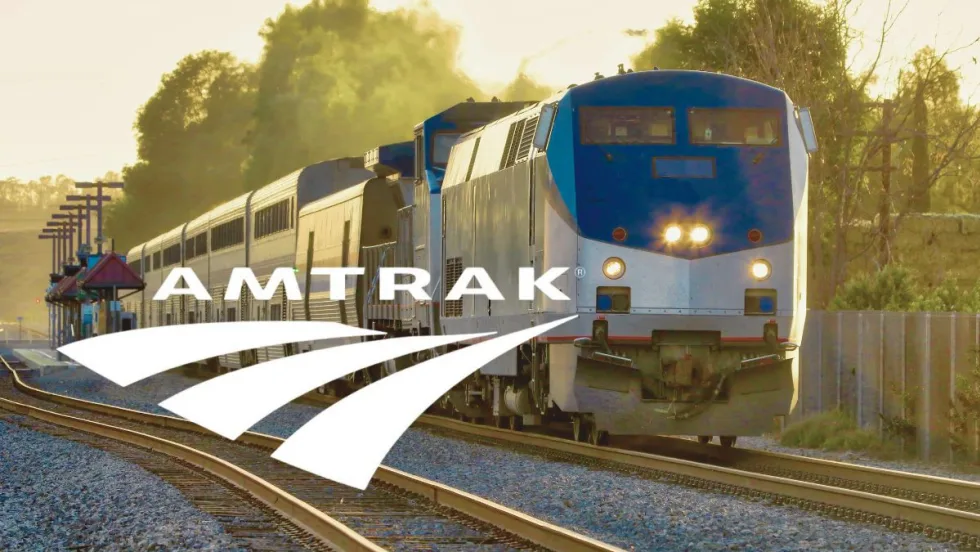
Amtrak, CN Reach Agreements to Strengthen Passenger Rail Service, Safety
The agreement resolves a more than decade-long proceeding before the Surface Transportation Board concerning the terms and conditions for Amtrak services, such as the City of New Orleans, Illini/Saluki, and Wolverine.
Read More →
New York MTA Advances Final Contract for Second Avenue Subway Expansion
Contract Four is the largest in the Second Avenue Subway Phase 2 project and includes construction of station infrastructure, tracks, and signals for the subway expansion, MTA officials said. Work on Contract Four will begin in 2027.
Read More →
San Diego MTS Breaks Monthly Trolley Ridership Record
Agency officials said July’s ridership indicates MTS’s continued recovery from the pandemic.
Read More →
Report Examines NJ TRANSIT Reliability, Funding Challenges
The Garden State Initiative analysis examines the roles of Amtrak infrastructure, fleet management, and agency operations while recommending a more performance-based approach to improving reliability.
Read More →
Stadler, CapMetro Sign Long-Term Rail Fleet Support Agreement
Beginning in 2027, Stadler will provide on-site technical expertise, spare parts support, training, and obsolescence management to help extend the reliability and longevity of CapMetro’s GTW fleet.
Read More →
Biz Briefs: Alstom Lands Canadian Contract, LYT to Supply California TSP, and More
In METRO's latest installment, we take a look at recent news from Complete Coach Works, Beep, FlixBus, and more partnerships making headlines across the transportation sector.
Read More →
CATS Gold Line Marks 5 Years of Service, 2.8M Passenger Trips
With a six-mile expansion planned, the Charlotte streetcar is positioned to connect more neighborhoods and major transit hubs across the region.
Read More →