



BetterFleet, InductEV Announce Integration in U.S., Canada
As a result, the two global leaders in fleet electrification will collaborate to further accelerate the deployment of inductive wireless fleet charging in Canada and the U.S.


The BetterFleet, InductEV integration enables automated vehicle authorization as they approach the chargers and ensures a smooth and efficient charging process.
Photo: BetterFleet
The successful completion of OCPP interoperability testing and validation between the BetterFleet charge management system and InductEV’s wireless charging solution is expected to provide fleets throughout North America with a proven, advanced solution to enable the transition to zero-emission vehicles.
As a result, the two global leaders in fleet electrification will collaborate to further accelerate the deployment of inductive wireless fleet charging in Canada and the U.S.
InductEVs Wireless Charging
In deployments in the U.S. and Europe, InductEV’s high-power wireless vehicle charging technology has shown to enhance reliability and performance while reducing the total cost of ownership.
It also readily integrates with physical environments and with BetterFleet’s existing charge management solutions, simplifying EV charging infrastructure deployment for fleet operators.
Many municipal authorities across the U.S. have already embraced the technology for their bus fleets, including seven of nine transit agencies in Washington State and those in Indianapolis, Kansas City, and on Martha’s Vineyard.
BetterFleet Software, Charge Management
BetterFleet software for fleet transitioning planning and charge management has helped more than 200 complex fleets throughout the U.S., Canada, Australia, and the UK optimize and manage the transition to electric vehicles, including major fleets in Ontario, New York, Washington, Michigan, Hawaii, and elsewhere.
“As a company dedicated to best-in-class fleet management solutions, our collaboration with InductEV further underscores our commitment to providing innovative and interoperable solutions that help our customers achieve their zero-emission goals,” added Sasha Pejcic, North America managing partner at BetterFleet.
The just-completed testing confirmed communication between the BetterFleet charge management system (CMS) and InductEV wireless chargers through the OCPP standard protocol.
The BetterFleet, InductEV Integration
The integration enables automated vehicle authorization as they approach the chargers and ensures a smooth and efficient charging process.
Additionally, the testing confirmed advanced, smart-charging capabilities that allow for optimal load management on the grid by managing scheduling and control at the wireless charger directly. These innovations enhance the overall efficiency and sustainability of fleet operations.
InductEV’s high-power charging solution allows fleets to charge instantly and autonomously while they’re in-service or in-depot.
The proven model offers tremendous operational, economic, and environmental advantages over any other zero-emission system architecture.
To date, the company has delivered over 3 GWh of energy to customers across the U.S. and the EU through its wireless charging network — the equivalent of saving 650 metric tons of CO2.
More Zero Emissions
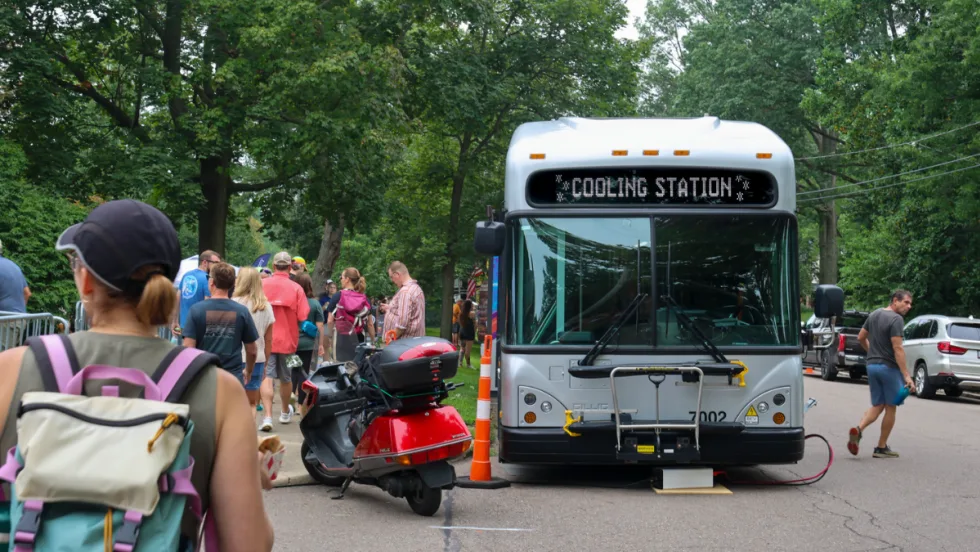
Ohio’s METRO RTA Turns Electric Buses into Mobile Power Sources at PorchROKR
See how three Gillig battery-electric buses powered festival stages while the agency’s new Park & Ride service carried approximately 1,000 attendees, demonstrating another potential use for transit agencies’ electric fleets.
Read More →
CALSTART and Forth Combine to Form Catalyst Mobility
The new name represents a renewed vision for the nonprofit focused on advancing clean, equitable, and affordable transportation solutions that move people and goods.
Read More →
Building a Flexible Path to Transit Electrification
John Hroncich discusses BAE Systems’ modular and scalable approach, lessons learned from decades of real-world operations, and how agencies can identify electrification strategies that fit their fleets.
Read More →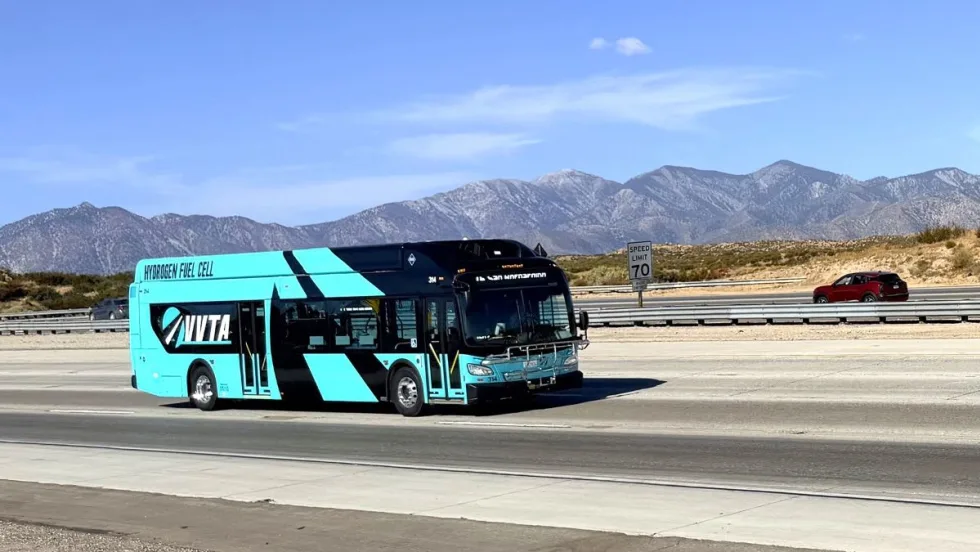
California's VVTA Begins Phased Rollout of Hydrogen Fuel Cell Buses
The agency is introducing 13 zero-emission buses into revenue service while evaluating performance across its urban, rural, and long-distance routes.
Read More →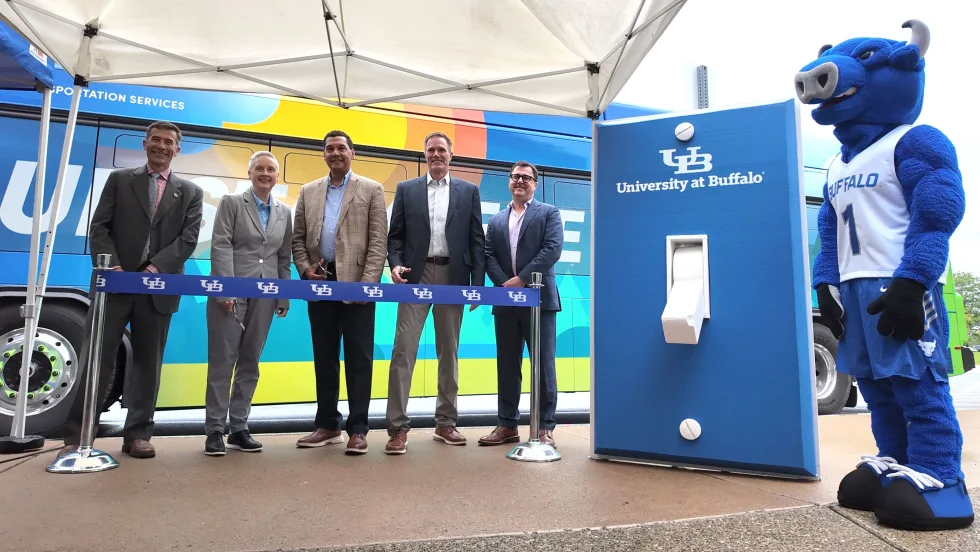
Inside Look: University at Buffalo Puts First 8 Electric Buses Into Stampede Service
UB, transportation solutions provider WeDriveU, and fleet electrification specialist Zenobē marked the deployment in the presence of students, university administrators, and local officials.
Read More →
Biz Briefs: OCTA Taps Clean Energy for Hydrogen Station, Stadler to Supply Via Rail Vehicles, and More
From manufacturers and suppliers to transit agencies and motorcoach operators, these updates offer a snapshot of the projects, partnerships and business moves driving the industry forward.
Read More →
AC Transit’s Cecil Blandon on Building the Next Generation of Transit Maintenance Leaders
The agency’s maintenance chief discusses leadership, workforce development, zero-emission technology, and preparing technicians for the future of public transportation.
Read More →
CTDOT Taps STV for Electric Bus Facility Design
The firm will work with CTDOT and RVT to define the facility layout, operational requirements, and long-term flexibility for RVT’s growing electric fleet.
Read More →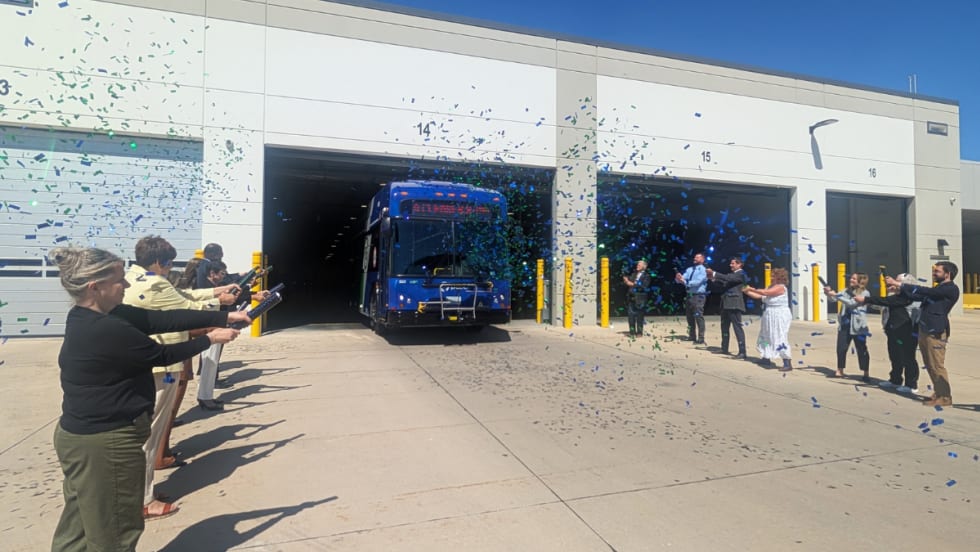
Chicago’s Pace Deploys 24 Hybrid-Electric Buses in Will County
The new buses reduce emissions and fuel consumption while advancing the agency's long-term goal of transitioning to a fully zero-emission fleet.
Read More →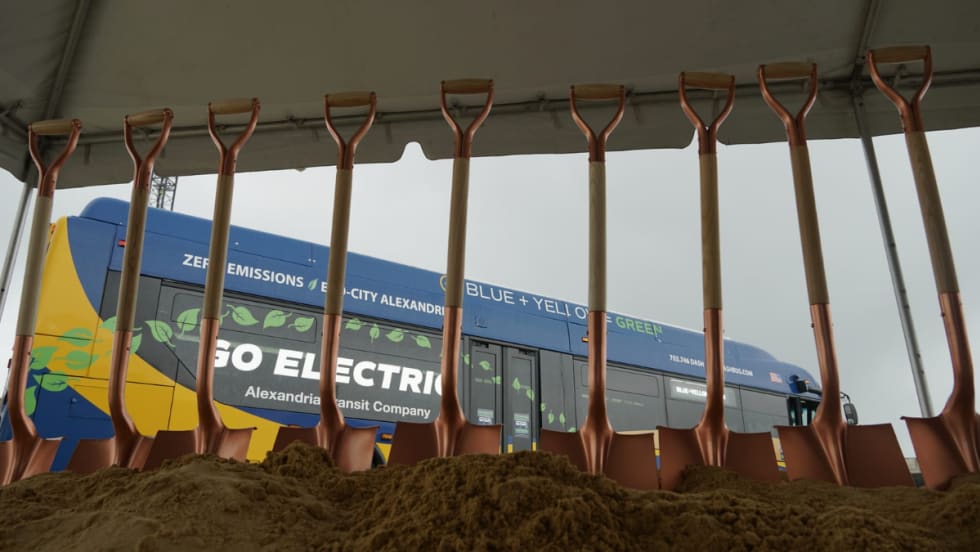
DASH Breaks Ground on First On-Route Electric Bus Chargers in D.C. Region
The fast-charging infrastructure will help extend electric bus range, improve fleet utilization, and support DASH's goal of transitioning to a fully zero-emission fleet.
Read More →