



Caltrain, Partners Celebrate Energization of 2nd Traction Power Substation
The milestone signifies major progress in expanding Caltrain’s ability to test and run electric trains along the corridor.


Caltrain’s substation in South San Francisco is also one of two main traction power substations along the Caltrain corridor, in addition to the San Jose location which was energized last August.
Caltrain
For the first time, the Caltrain Traction Power Substation in South San Francisco, constructed by Balfour Beatty and its industry partners, was energized with power from Pacific Gas and Electric Company (PG&E).
The milestone signifies major progress in expanding Caltrain’s ability to test and run electric trains along the corridor.
“Energization of the second traction power substation is a momentous milestone for the Caltrain Electrification Project and continues to keep us on track for launch of Electrified service in fall of 2024,” said Michelle Bouchard, Caltrain executive director. “We want to thank the hundreds of people that have been involved in the work and coordination to get us to this moment. Soon we be able to test electric trains along our entire corridor and we are excited to deliver a world-class system for the public.”
Charging Ahead
Caltrain’s substation in South San Francisco is also one of two main traction power substations along the Caltrain corridor, in addition to the San Jose location, which was energized last August.
Together, with eight other smaller facilities along the corridor, power substations provide, distribute, and regulate electricity to the overhead wires which will power Caltrain’s new high-performance electric trains.
Caltrain, PG&E and Balfour Beatty’s work to complete the energization was substantial and needed to be safely conducted while maintaining reliable service to more than 20,000 customers also served by the existing infrastructure.
The infrastructure upgrades include:
Construction of two, double-circuit 115 kV transmission connections from the East Grand Substation in South San Francisco and the FMC Substation in San Jose to Caltrain traction power stations in those communities.
Rebuilt the East Grand and FMC substations that enabled PG&E to support Caltrain’s request for redundant transmission feeds.
Additional upgrades to three PG&E and two third-party remote end substations.
Emphasizing Safety, Sustainability
As crews continue to install more poles and wire for the electrification system, Caltrain is embarking on a public outreach campaign to educate passengers, residents, and businesses about best safety practices along the corridor. The agency has sent out mailers, hosted community meetings and embarked on social media campaigns to remind everyone that all overhead wires on Caltrain property should be assumed to be energized now.
The electrification of the Caltrain system will deliver major benefits to the communities that it serves. Electrification will reduce Caltrain’s greenhouse gas emissions and eliminate the particulate matter caused by the aging diesel engines. Engine noise created by the trains will also be reduced.
Service will become both more frequent and more comfortable as state-of-the-art electric trains replace the 30-year-old diesel fleet. Caltrain electrification has also created thousands of jobs locally and throughout the country, both to electrify the corridor and to assemble the new trains, which were debuted to the public in July. The infrastructure that is being installed will be compatible with future high-speed rail on the corridor.
More Rail
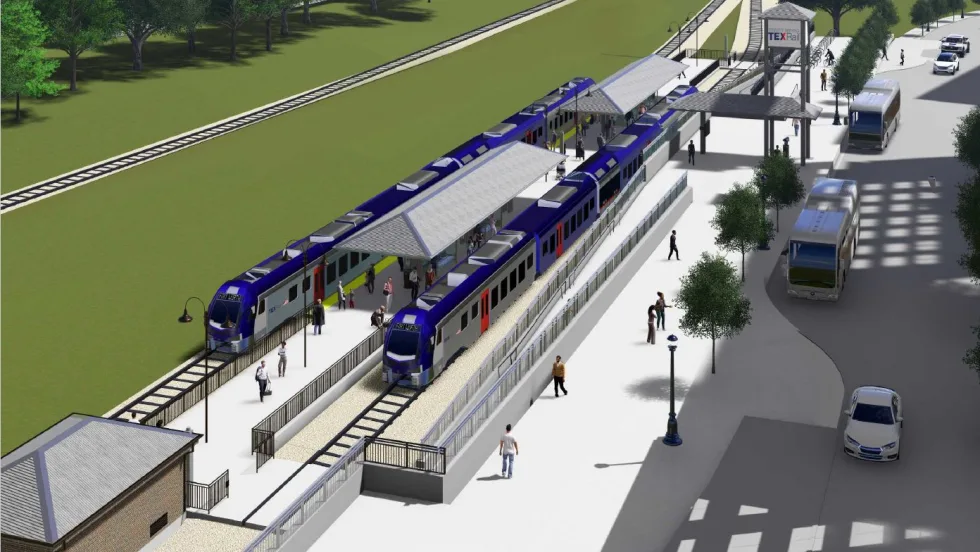
Trinity Metro Breaks Ground on $270M TEXRail Extension
The 2.1-mile extension will connect Fort Worth’s Medical District and Near Southside to downtown, surrounding communities, and Dallas-Fort Worth International Airport.
Read More →
Bringing Austin’s First Light Rail System to Life
Austin Transit Partnership CEO Greg Canally discusses the city's nearly 10-mile light rail project, its collaborative approach to project delivery, the importance of community engagement, and the milestones ahead as construction approaches in 2027.
Read More →
Metra Draft Plan Outlines Costs, Service Improvements for Regional Rail
The Systemwide Network Plan identifies infrastructure needs and potential investments to expand all-day, bidirectional rail service across the Chicago region.
Read More →
Amtrak Completes First Street Tunnel Upgrades, Restores Service
The nine-day construction project included replacing aging track infrastructure and modernizing switch systems near Washington Union Station.
Read More →
FRA Announces $2.3B for Passenger, Freight Rail Projects Nationwide
The CRISI Grant Program funding will support rail infrastructure improvements, safety upgrades, and projects aimed at improving freight and passenger rail service across 45 states and Washington, D.C.
Read More →
Caltrain’s Electrification Drives a New Era of Ridership Growth
The railroad’s shift to electric service has brought more frequent trains, stronger customer satisfaction, and increased ridership, earning it APTA’s Outstanding Public Transportation System award.
Read More →
FTA Advances $164M Broward County Commuter Rail Project
The proposed 10.5-mile commuter rail extension would connect Fort Lauderdale and Aventura, expanding passenger rail options in South Florida.
Read More →
New York MTA Launches Historic $1.9B Signal, Track Modernization Project
Funded in part by congestion pricing revenue, the project will replace nearly century-old signals along the A and C lines in Brooklyn and Queens.
Read More →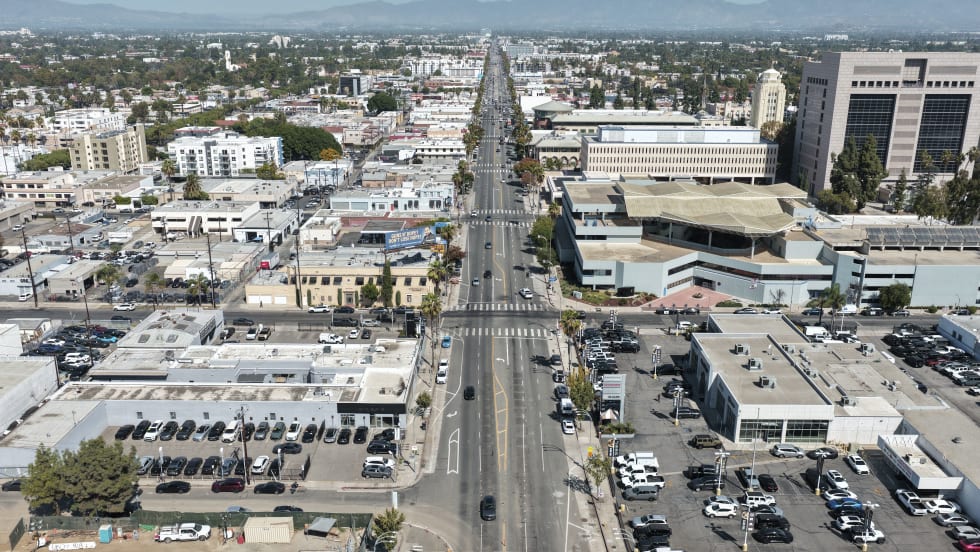
LA Metro Breaks Ground on East San Fernando Valley Light Rail Project
The 6.7-mile line will add 11 stations along Van Nuys Boulevard, expand access to jobs and regional transit connections, and support Metro’s broader efforts to improve mobility as rail ridership grows.
Read More →
CSA Group Releases Climate Resilience Standard for Transit, Passenger Rail
Developed with support from the Standards Council of Canada, CSA D700 guides assessing climate-related risks and planning adaptation measures for transit and passenger rail systems.
Read More →