




RELATED: CTA's 2018 budget includes first fare increase in 9 years
Chicago RTA approves 5-year 'Invest in Transit' strategic plan
New regional plan sets a bold, yet practical, vision for “public transit as the core of the region’s robust transportation mobility network.”
January 18, 2018
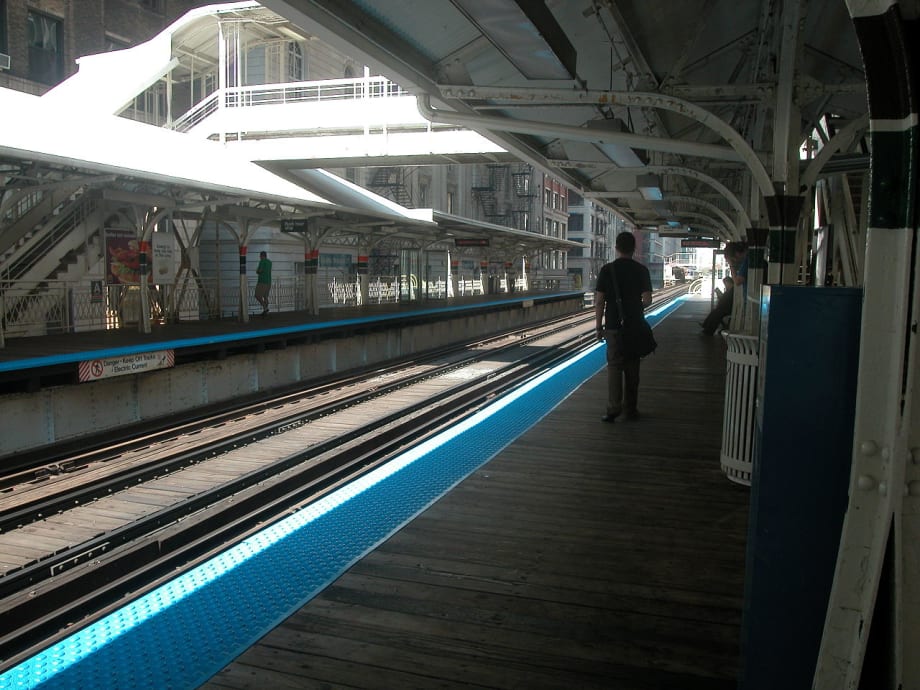
The plan adopted is the culmination of two years of research, close collaboration with the transit agencies and outreach to a network of stakeholders.
David Wilson
3 min to read

A companion document, “Invest in Transit Priority Projects,” describes specific, tangible capital priorities for CTA, Metra, and Pace.
Chicago RTA
Chicago’s Regional Transportation Authority (RTA) board of directors approved “Invest in Transit,” the 2018 to 2023 Regional Transit Strategic Plan. The RTA has a key role in developing a strategic plan every five years and leading the region’s work in meeting the needs of transit riders in an increasingly challenging environment.
This new regional plan sets a bold, yet practical, vision for “public transit as the core of the region’s robust transportation mobility network.” It describes the funding uncertainty that the RTA, CTA, Metra, and Pace currently face and the actions that stable and dedicated funding streams would allow us to take to provide vital public transit into the future. A companion document, “Invest in Transit Priority Projects,” describes specific, tangible capital priorities for CTA, Metra, and Pace. A portion of the funding required to advance some of these projects is programmed in the current transit agency capital programs, yet all are still underfunded or un-funded, with a regional need totaling $30 billion over the next 10 years.
“Trains and buses are our region’s most important mobility assets. We should be investing $2 to $3 billion in capital each year to keep our system in good shape and move forward with new innovations. However, we’re currently not even investing half of that each year,” said Leanne Redden, executive director of the RTA. “The agencies are already doing what we can with fare increases, TIF funding, and other local solutions to the problem. Ultimately, we must find a sustainable funding source that will enable us to continue to provide excellent service to our riders and fund the capital projects that will keep us competitive. As the plan says, now is the time to act.”
The plan adopted is the culmination of two years of research, close collaboration with the transit agencies and outreach to a network of stakeholders. Public input was encouraged through hearings and online comments late last year.
The plan adopted is the culmination of two years of research, close collaboration with the transit agencies and outreach to a network of stakeholders.
David Wilson
Invest in Transit’s three goals describe the key areas of focus for the transit agencies over the next five years. For each goal, Invest in Transit lays out a series of strategies for taking action over the next five years:
Deliver value on our investment: This goal focuses on the positive impacts of transit investment and the importance of increasing funding. Strategies include seeking additional funding, being clearer about how the transit agencies will spend the funds, and demonstrating positive outcomes of transit investment.
Build on the strengths of our network: This goal focuses on the service improvements and infrastructure investments that the transit agencies would like to make in key transit markets throughout the region. Strategies include making targeted operational improvements in six areas and addressing regional policy issues related to land-use around transit stations.
Stay competitive: This goal focuses on the vital role that transit plays as part of the region’s mobility network and strategies for adapting to the evolving needs of riders. Strategies include improving bus reliability, investing in technology, and pursuing regulation of private mobility services where high volume transit is successful.
This year, the transit agencies will begin work on implementation of the plan’s strategies as well as focus on developing a campaign to increase the level of capital investment to $2 to $3 billion annually. This will be an opportunity for regional stakeholders to come together to provide visible improvements to riders of the system and also set a course for down-the-road investments as the transportation environment continues to evolve.
More Management

METRO Opens Submissions for 2026 Motorcoach Awards
Nominations are now being accepted for METRO Magazine’s Operator of the Year and Innovative Operator of the Year awards.
Read More →
New York MTA Advances Final Contract for Second Avenue Subway Expansion
Contract Four is the largest in the Second Avenue Subway Phase 2 project and includes construction of station infrastructure, tracks, and signals for the subway expansion, MTA officials said. Work on Contract Four will begin in 2027.
Read More →
Transit Agencies Highlight Safety Gains at National Summit
Leaders from 15 major transit systems shared crime-reduction results and safety initiatives while discussing the role of continued federal support.
Read More →

NITA Names New Leadership, Expands Reduced-Fare Program at First Board Meeting
The new regional transit authority appointed its first board chair and interim executive director while extending reduced fares across CTA, Metra, and Pace for eligible riders.
Read More →
Beyond the Checklist: A Structured Approach to Transit Maintenance
Reliability-Centered Maintenance helps transit agencies move beyond routine checklists to focus limited resources on the assets and failures that have the greatest impact on safety, reliability, and service.
Read More →
APTA 2026 Nominating Committee Selects Leadership Slate, Names Chair and Vice Chair Nominees
Leadership changes will help shape the association’s priorities and its representation of the transportation industry during the 2026–2027 term.
Read More →
DART Launches Major Security, Fare Enforcement Initiative
The 90-day demonstration will deploy coordinated security teams at five light rail stations while testing controlled access and gathering data to guide future investments.
Read More →
Sponsored•September 9, 2026
Advancing Fare Collection Through Technology and Innovation
Learn about delivering 1300 gates at 91 stations while managing fare evasion. Explore the large scale deployment, solution customization and real-world results that affect the region. Prepare for deployment in your region now.
Read More →
Game Day in Motion: Moving Millions During the 2026 World Cup
Between packed transit stations and team motorcoaches, see how agencies and operators across North America tackled the transportation demands of the 2026 FIFA World Cup.
Read More →
Surface Transportation Extension Averts Shutdown, Leaves Transit Funding Gap
The stopgap keeps federal transportation programs moving, but missing advance funding could complicate the transit and rail projects agencies are planning next.
Read More →