



CNG yields more health benefits, Harvard study says
CNG affords a third more health benefits than clean diesel, but the cost per unit of health improvement is six to nine times higher.

A recent Harvard study found that compressed natural gas (CNG) affords a third more health benefits than clean diesel, but that the cost per unit of health improvement is six to nine times higher for CNG. The analysis, conducted by the Harvard Center for Risk Analysis, part of the Harvard School of Public Health, measures the public health damages of air pollution from urban transit buses in units of Quality Adjusted Life Years (QALY). The study finds that new emission controlled diesel (ECD) buses reduce health damages by 40%, and that new CNG buses cuts health damages by 55%, compared with new conventional buses. Both CNG and ECD reduce emissions of fine particles by about 75%. CNG also has a further health advantage because it reduces emissions of NOx. The cost per QALY saved using CNG would be six to nine times greater than for ECD because of the higher cost of acquiring and maintaining CNG vehicles, installing and maintaing infrastructure to fuel them and paying more for fuel to run them. Funded by International Truck and Engine Corp., the study was informed by an advisory panel of 18 academic, industry and five government experts, including five senior managers of public transit authorities from across the United States. For more information on the school log on to www.hsph.harvard.edu
More Management
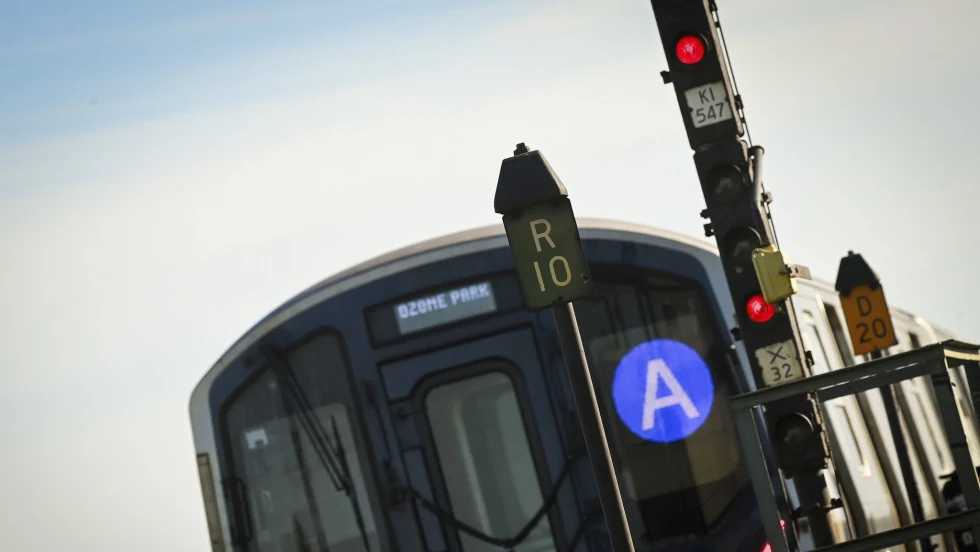
New York MTA Launches Historic $1.9B Signal, Track Modernization Project
Funded in part by congestion pricing revenue, the project will replace nearly century-old signals along the A and C lines in Brooklyn and Queens.
Read More →
Brian Dickson on Building Stronger, More Resilient Transportation Organizations
Bus Business Consultants Founder Brian Dickson discusses the leadership principles, operational discipline, and strategic planning that separate transportation companies positioned for long-term success from those stuck in survival mode.
Read More →
LA Metro Breaks Ground on Vermont BRT Project
The 12.4-mile corridor is projected to serve 66,200 daily riders, reduce travel times by up to 24%, and create the nation's busiest bus rapid transit corridor.
Read More →
Building Stronger Leaders, More Resilient Transit Teams
Dr. Carol Parker Walsh discusses leadership development, employee retention, workplace culture, and preparing transit’s workforce for AI and automation.
Read More →
Roman Cornell on ABC Companies’ Evolution and the Future of Passenger Transportation
The company’s CEO discusses carrying forward a third-generation family legacy, ABC’s continued evolution in passenger transportation, support for increasingly complex fleets, and how technology and continued investment could help operators improve uptime.
Read More →
CATS Launches West Charlotte Microtransit Zone, Expands Transit Services
The new microtransit zone connects residents to key destinations as Charlotte Area Transit System rolls out the first phase of its 2055 Transit System Plan.
Read More →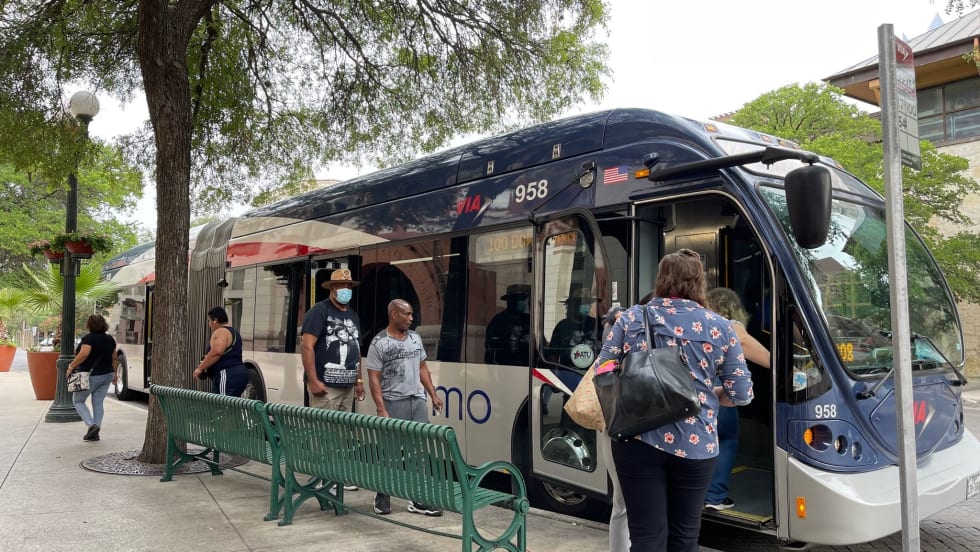
VIA Bus Ridership Grows 10.1% Through August 2026
San Antonio's VIA Metropolitan Transit reported the highest bus ridership growth among major Texas transit systems. Federal Transit Administration data ranked it second among the nation's 50 largest transit systems.
Read More →
CSA Group Releases Climate Resilience Standard for Transit, Passenger Rail
Developed with support from the Standards Council of Canada, CSA D700 guides assessing climate-related risks and planning adaptation measures for transit and passenger rail systems.
Read More →
ETA CEO John Maglio on Transit Technology, Innovation, and Building Agency Trust
ETA founder and CEO John Maglio explores the evolution of transit technology, the importance of reliable systems, and how stronger partnerships can help agencies improve operations and the passenger experience.
Read More →
COTA Launches First Customer Experience Action Plan to Improve Transit Service
The new plan outlines improvements to service reliability, accessibility, communication, and the overall rider experience across Central Ohio's transit system.
Read More →