



CVSA Adopts North American Fatigue Management Program
The training program is aimed at preventing fatigue-related risks and crashes and cultivating a corporate safety culture.

This program was made possible through an international partnership of law enforcement jurisdictions, federal agencies, academics, and motor carrier stakeholder groups.
Photo: CVSA
The Commercial Vehicle Safety Alliance (CVSA) has announced the North American Fatigue Management Program (NAFMP), an educational and training program aimed at preventing fatigue-related risks and crashes and cultivating a corporate safety culture that proactively works to eliminate driver fatigue.
As an organization comprised of law enforcement jurisdictions, motor carriers, trucking organizations, safety associations, and federal agencies committed to eliminating crashes on our roadways, CVSA was tasked by the Federal Motor Carrier Safety Administration (FNCSA) with the management of the NAFMP.
"Our goal at CVSA is to prevent crashes involving commercial motor vehicles," said John Broers, CVSA president with the South Dakota Highway Patrol. "Offering the North American Fatigue Management Program as one of the Alliance’s driver-related educational programs helps us do our part to combat crashes caused by driver fatigue and exhaustion."
The NAFMP steering committee also includes Transport Canada, working closely with FMCSA to support the program.
"CVSA has the ideal infrastructure of events and channels of communication to foster the NAFMP," said Roger Clarke., NAFMP Steering committee chair.
The NAFMP was developed by medical and sleep scientists from Canada and the United States through a multi-year, four-phase comprehensive process.
"FMCSA is excited for this additional opportunity to partner with CVSA to address driver fatigue," said Meera Joshi, FMCSA deputy administrator. "FMCSA has supported the NAFMP since its inception and looks forward to CVSA continuing to provide this important program to educate the motor carrier industry on driver fatigue."
The program aims to prevent driver fatigue and eliminate fatigue-related crashes by:
Offering online fatigue prevention training and education to commercial motor vehicle drivers, motor carrier executives and managers, freight shippers and receivers, dispatchers, driver managers, driver’s spouses and families, safety managers and trainers, etc.
Encouraging a motor carrier safety culture that proactively considers situations that may contribute to driver fatigue and fights to prevent it
Identifying sleep disorders and treatment options
Utilizing driver fatigue management technologies
In addition, CVSA plans to enhance, improve and grow the program by:
Hosting live and recorded Q&A sessions
Offering a moderated forum where users may ask questions and provide feedback
Offering information sessions at CVSA events and conferences
Hosting program and steering committee meetings to discuss program improvements
Offering webinars on various topics relevant to fatigue management
Offering Spanish content in addition to English and French
"This program has the potential to reduce fatigue-related risks, improve driver alertness, health and wellness, increase productivity, and decrease crashes and roadway fatalities," said Broers. "The online training and educational courses available through this program are free, voluntary, self-paced and available 24/7. We encourage all drivers and motor carriers to utilize these online tools."
More Management

Bringing Austin’s First Light Rail System to Life
Austin Transit Partnership CEO Greg Canally discusses the city's nearly 10-mile light rail project, its collaborative approach to project delivery, the importance of community engagement, and the milestones ahead as construction approaches in 2027.
Read More →
ETA CEO John Maglio on Transit Technology, Innovation, and Building Agency Trust
ETA founder and CEO John Maglio explores the evolution of transit technology, the importance of reliable systems, and how stronger partnerships can help agencies improve operations and the passenger experience.
Read More →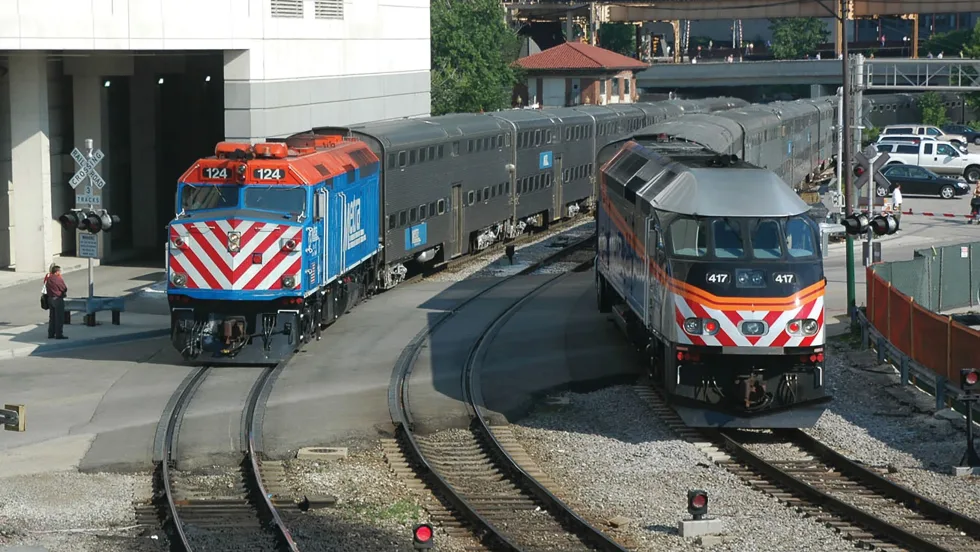
Metra Draft Plan Outlines Costs, Service Improvements for Regional Rail
The Systemwide Network Plan identifies infrastructure needs and potential investments to expand all-day, bidirectional rail service across the Chicago region.
Read More →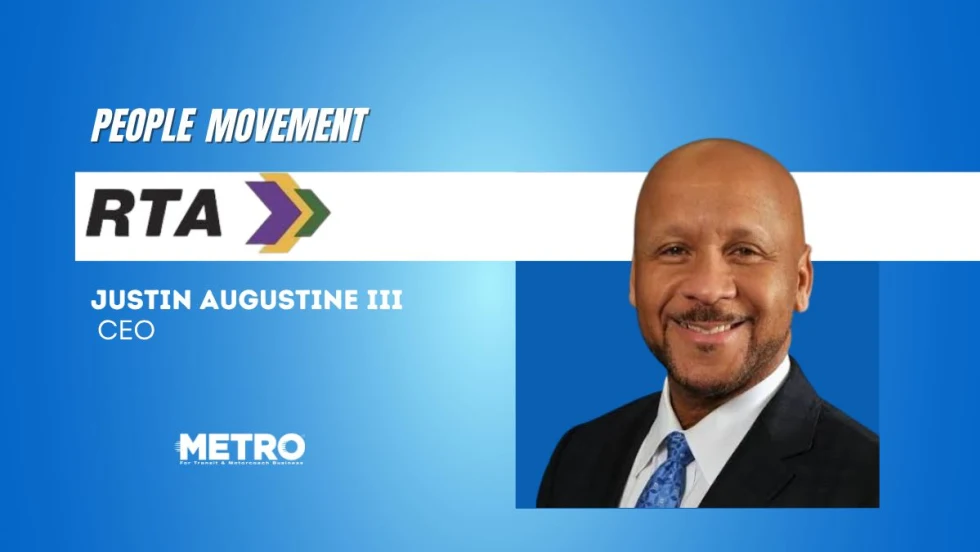
New Orleans RTA Names Augustine III as New CEO
In this edition, we also spotlight recent personnel moves at HDR, PATH, STV, and more, highlighting the people taking on new roles across the transportation industry.
Read More →
How Transit Agencies Are Using Free Rides to Improve Voting Access
Transit agencies are using fare-free service, trip-planning tools, and targeted rides to improve voting access. See what other agencies can learn from these efforts.
Read More →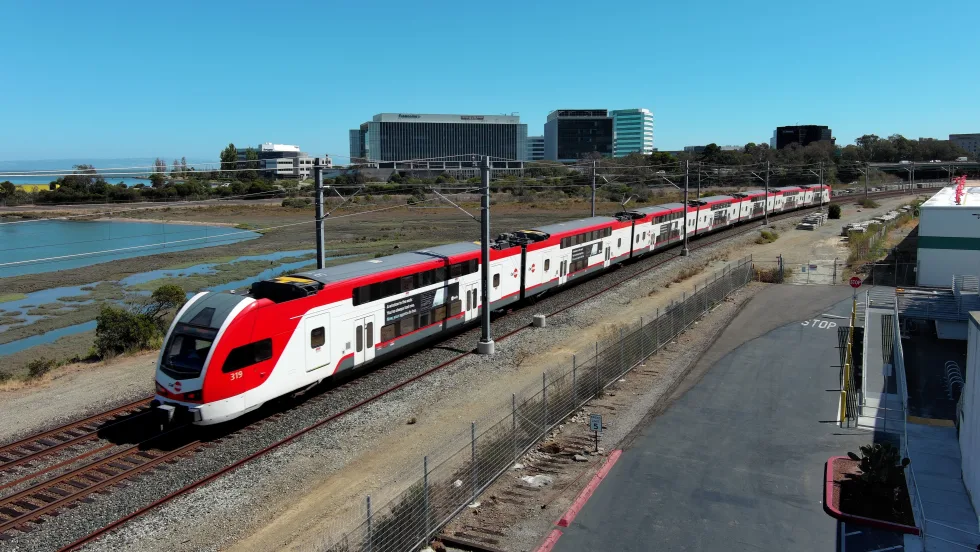
Caltrain’s Electrification Drives a New Era of Ridership Growth
The railroad’s shift to electric service has brought more frequent trains, stronger customer satisfaction, and increased ridership, earning it APTA’s Outstanding Public Transportation System award.
Read More →
Chicago, Charlotte Transit Agencies Expand Rider Support Programs
CTA launched crisis intervention teams as CATS prepares to deploy fare ambassadors, expanding customer assistance and security efforts across both systems.
Read More →
New York MTA Launches Historic $1.9B Signal, Track Modernization Project
Funded in part by congestion pricing revenue, the project will replace nearly century-old signals along the A and C lines in Brooklyn and Queens.
Read More →
Brian Dickson on Building Stronger, More Resilient Transportation Organizations
Bus Business Consultants Founder Brian Dickson discusses the leadership principles, operational discipline, and strategic planning that separate transportation companies positioned for long-term success from those stuck in survival mode.
Read More →
LA Metro Breaks Ground on Vermont BRT Project
The 12.4-mile corridor is projected to serve 66,200 daily riders, reduce travel times by up to 24%, and create the nation's busiest bus rapid transit corridor.
Read More →