



DOT, HUD, EPA partner for housing, transport goals
Earlier this year, HUD and DOT announced an unprecedented agreement to implement joint housing and transportation initiatives. With EPA joining the partnership, the three agencies will work together to ensure that these housing and transportation goals are met while simultaneously protecting the environment, promoting equitable development and helping to address the challenges of climate change.

U.S. Secretary of Transportation Ray LaHood, U.S. Secretary of Housing and Urban Development Shaun Donovan and U.S. Environmental Protection Agency Administrator Lisa P. Jackson announced an interagency "Partnership for Sustainable Communities" to help improve access to affordable housing, more transportation options and lower transportation costs, while protecting the environment in communities nationwide.
Testifying together at a Senate Banking, Housing, and Urban Affairs Committee hearing chaired by U.S. Senator Christopher J. Dodd, Secretary LaHood, Secretary Donovan and Administrator Jackson outlined the six guiding "livability principles" they will use to coordinate federal transportation, environmental protection and housing investments at their respective agencies:
1. Provide more transportation choices.
Develop safe, reliable and economical transportation choices to decrease household transportation costs, reduce our nation's dependence on foreign oil, improve air quality, reduce greenhouse gas emissions and promote public health.
2. Promote equitable, affordable housing.
Expand location- and energy-efficient housing choices for people of all ages, incomes, races and ethnicities to increase mobility and lower the combined cost of housing and transportation.
3. Enhance economic competitiveness.
Improve economic competitiveness through reliable and timely access to employment centers, educational opportunities, services and other basic needs by workers as well as expanded business access to markets.
4. Support existing communities.
Target federal funding toward existing communities - through such strategies as transit-oriented, mixed-use development and land recycling - to increase community revitalization, improve the efficiency of public works investments, and safeguard rural landscapes.
5. Coordinate policies and leverage investment.
Align federal policies and funding to remove barriers to collaboration, leverage funding and increase the accountability and effectiveness of all levels of government to plan for future growth, including making smart energy choices such as locally generated renewable energy.
6. Value communities and neighborhoods.
Enhance the unique characteristics of all communities by investing in healthy, safe and walkable neighborhoods - rural, urban or suburban.
Earlier this year, HUD and DOT announced an unprecedented agreement to implement joint housing and transportation initiatives. With EPA joining the partnership, the three agencies will work together to ensure that these housing and transportation goals are met while simultaneously protecting the environment, promoting equitable development and helping to address the challenges of climate change.
"Creating livable communities will result in improved quality of life for all Americans and create a more efficient and more accessible transportation network that serves the needs of individual communities," said LaHood. "Fostering the concept of livability in transportation projects and programs will help America's neighborhoods become safer, healthier and more vibrant."
More Bus
Biz Briefs: New Flyer Delivers in Columbus, Houston, Beep and Freebee Merge, and More
In this edition of Biz Briefs, we spotlight the latest developments shaping the future of mobility.
Read More →
People Movement: Dan Dipert Coaches Adds Third-Generation Leader, Keolis Names New Valley Metro VP/GM, and More
In this edition, we also cover recent appointments and announcements at the Wabtec, SilverRide, HNTB, and more, showcasing the individuals helping to shape the future of transportation.
Read More →
New York MTA Plans Largest Bus Fleet Upgrade in More Than a Decade
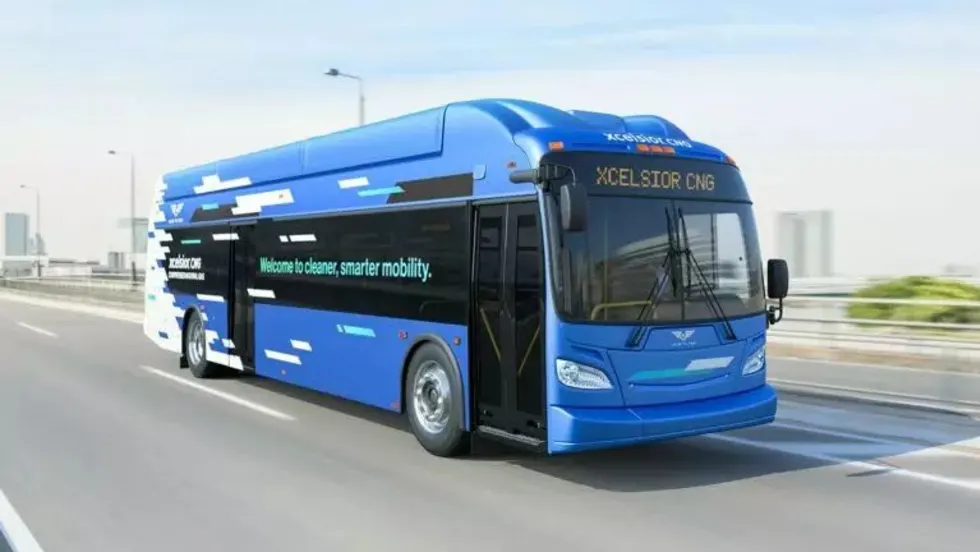
The agency is seeking manufacturers for 650 new CNG buses to replace aging vehicles, improve reliability, and advance its broader fleet modernization strategy.
Read More →
Building a Flexible Path to Transit Electrification
John Hroncich discusses BAE Systems’ modular and scalable approach, lessons learned from decades of real-world operations, and how agencies can identify electrification strategies that fit their fleets.
Read More →
Bus Tech Talk: Keeping Transit Technicians Ahead of the Technology Curve
LA Metro’s Obed Mejia discusses technician training, evolving maintenance technology, fleet replacement, and strategies for getting the most out of today’s transit fleets.
Read More →
Biz Briefs: RIPTA Unveils New Frontrunners, Clevland RTA Adds New Siemens, and More
In METRO's latest installment, we take a look at recent news from Siemens, Prevost, Dodge, and more partnerships making headlines across the transportation sector.
Read More →
People Movement: Holly Arnold Joins Transdev and More
In this edition, we also cover recent appointments and announcements at Pace, CamTran, MCI, and more, showcasing the individuals helping to shape the future of transportation.
Read More →
The High Cost of Transit Buses: Industry Leaders Look to Procurement Reform
Transit leaders and policymakers examine how standardized bus designs, streamlined procurement, and predictable funding could help agencies stretch budgets and deliver better service.
Read More →
The Business Voice Behind Public Transportation
As chair of APTA’s Business Members Board of Governors, Ray Melleady explains how more than 850 business members are partnering with transit agencies to advance funding, innovation, and industry-wide collaboration.
Read More →
From Surviving to Thriving: Building Stronger Transportation Organizations
Bus Business Consultants founder Brian Dickson shares lessons on leadership, organizational health, and creating options for long-term success in a changing transportation industry.
Read More →