



FMCSA: Study validates SMS' effectiveness
The component of the agency’s Compliance, Safety, Accountability program was launched in 2010 to identify and prioritize motor carriers posing the highest threat to public safety for enforcement interventions.

A new study confirms the Federal Motor Carrier Safety Administration’s Safety Measurement System (SMS) is more effective at identifying commercial bus and truck companies of all sizes for targeted enforcement than the system it replaced.
Researchers analyzed the association between historical carrier data and future crash involvement by taking two years of pre-SMS safety data for a subset of carriers, running it through the system’s algorithm and following those companies’ crash records for 18 months.
Results show the companies the SMS would have identified for interventions, such as roadside inspections, warning letters and on-site investigations, had a future crash rate of more than double the national average. In addition, 79% of the carriers that SMS would have ranked as high risk in at least one of the seven safety categories it monitors, had higher future crash rates compared to those it would not have identified.
SMS is a component of the agency’s Compliance, Safety, Accountability program, which was launched in 2010 to identify and prioritize motor carriers that pose the highest threat to public safety for enforcement interventions. The study was conducted by the Volpe Center and peer-reviewed by independent experts. To view the full report, click here.
More Management
Financing, Fleet Replacement Requires a More Strategic Approach
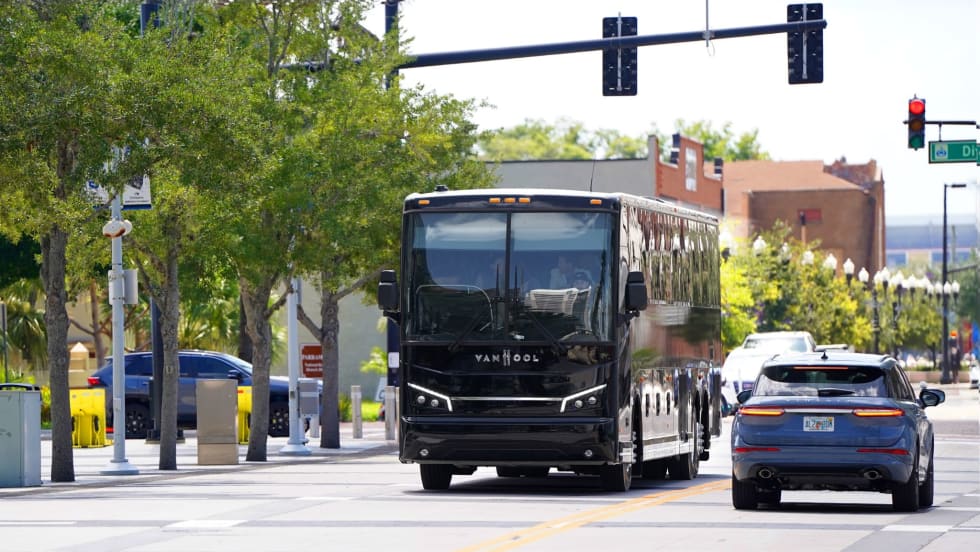
Executives from ABC Companies and MCI discuss how rising costs, changing market conditions, and post-pandemic challenges are prompting motorcoach operators to rethink financing strategies, fleet replacement cycles, and long-term planning.
Read More →
Bringing Austin’s First Light Rail System to Life
Austin Transit Partnership CEO Greg Canally discusses the city's nearly 10-mile light rail project, its collaborative approach to project delivery, the importance of community engagement, and the milestones ahead as construction approaches in 2027.
Read More →
ETA CEO John Maglio on Transit Technology, Innovation, and Building Agency Trust
ETA founder and CEO John Maglio explores the evolution of transit technology, the importance of reliable systems, and how stronger partnerships can help agencies improve operations and the passenger experience.
Read More →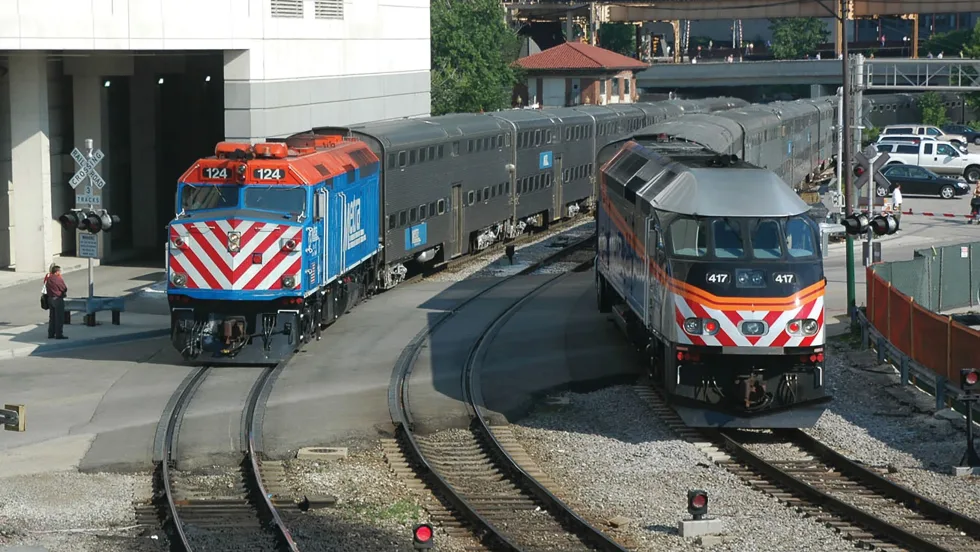
Metra Draft Plan Outlines Costs, Service Improvements for Regional Rail
The Systemwide Network Plan identifies infrastructure needs and potential investments to expand all-day, bidirectional rail service across the Chicago region.
Read More →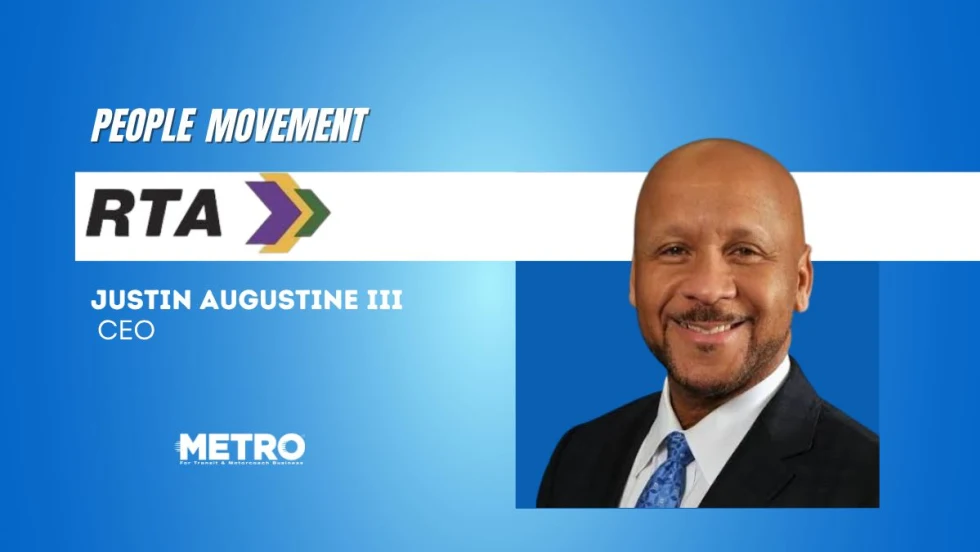
New Orleans RTA Names Augustine III as New CEO
In this edition, we also spotlight recent personnel moves at HDR, PATH, STV, and more, highlighting the people taking on new roles across the transportation industry.
Read More →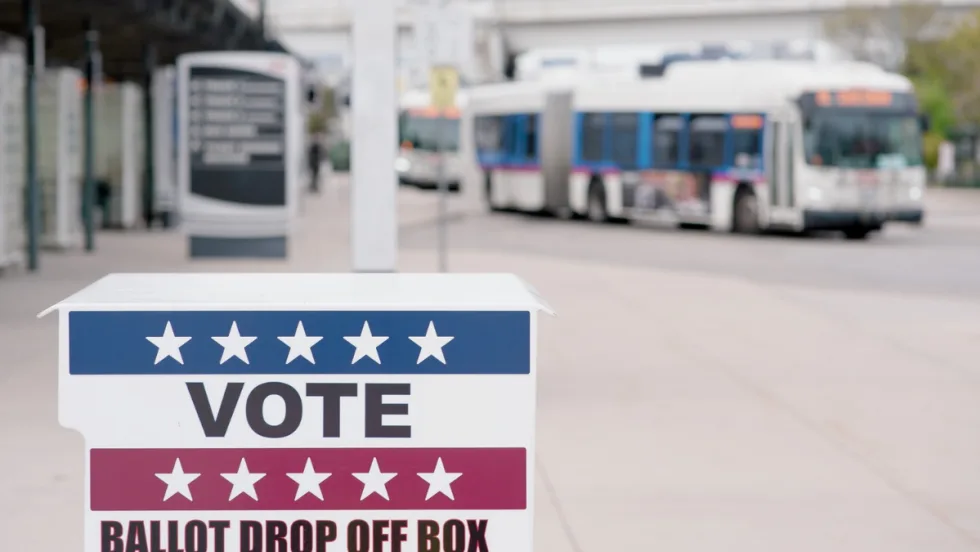
How Transit Agencies Are Using Free Rides to Improve Voting Access
Transit agencies are using fare-free service, trip-planning tools, and targeted rides to improve voting access. See what other agencies can learn from these efforts.
Read More →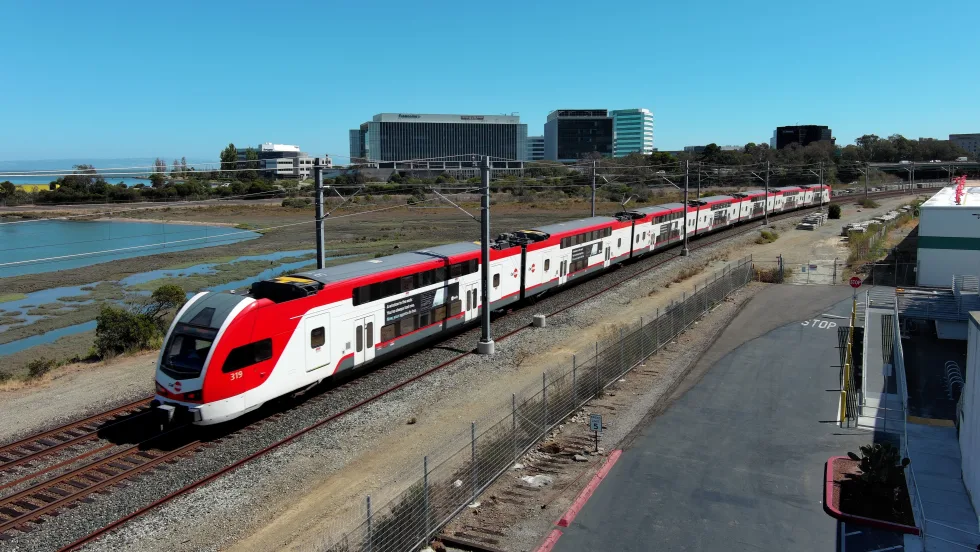
Caltrain’s Electrification Drives a New Era of Ridership Growth
The railroad’s shift to electric service has brought more frequent trains, stronger customer satisfaction, and increased ridership, earning it APTA’s Outstanding Public Transportation System award.
Read More →
Chicago, Charlotte Transit Agencies Expand Rider Support Programs
CTA launched crisis intervention teams as CATS prepares to deploy fare ambassadors, expanding customer assistance and security efforts across both systems.
Read More →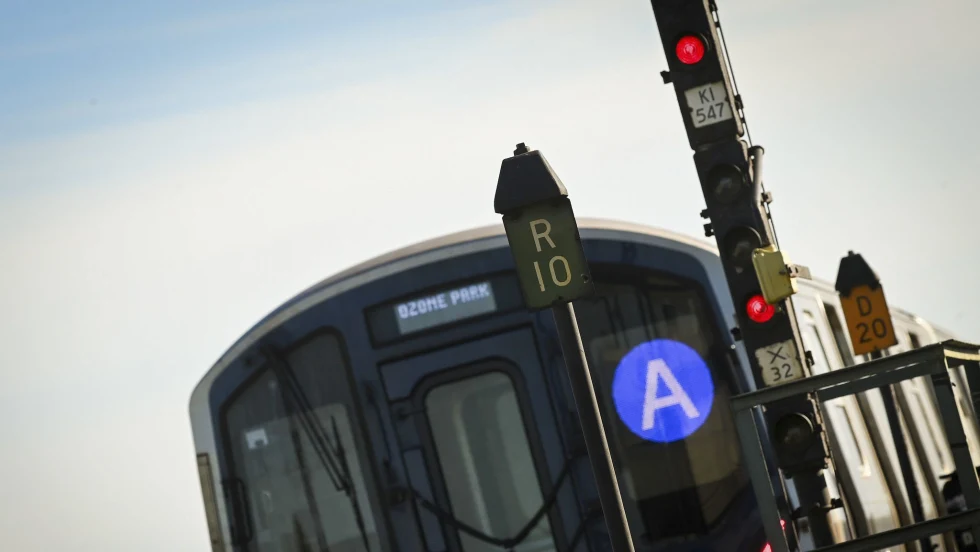
New York MTA Launches Historic $1.9B Signal, Track Modernization Project
Funded in part by congestion pricing revenue, the project will replace nearly century-old signals along the A and C lines in Brooklyn and Queens.
Read More →
Brian Dickson on Building Stronger, More Resilient Transportation Organizations
Bus Business Consultants Founder Brian Dickson discusses the leadership principles, operational discipline, and strategic planning that separate transportation companies positioned for long-term success from those stuck in survival mode.
Read More →