



Ford announces new features for 2016 Transit vehicle
New additions include SYNC 3, rearview camera technology and new customization options.

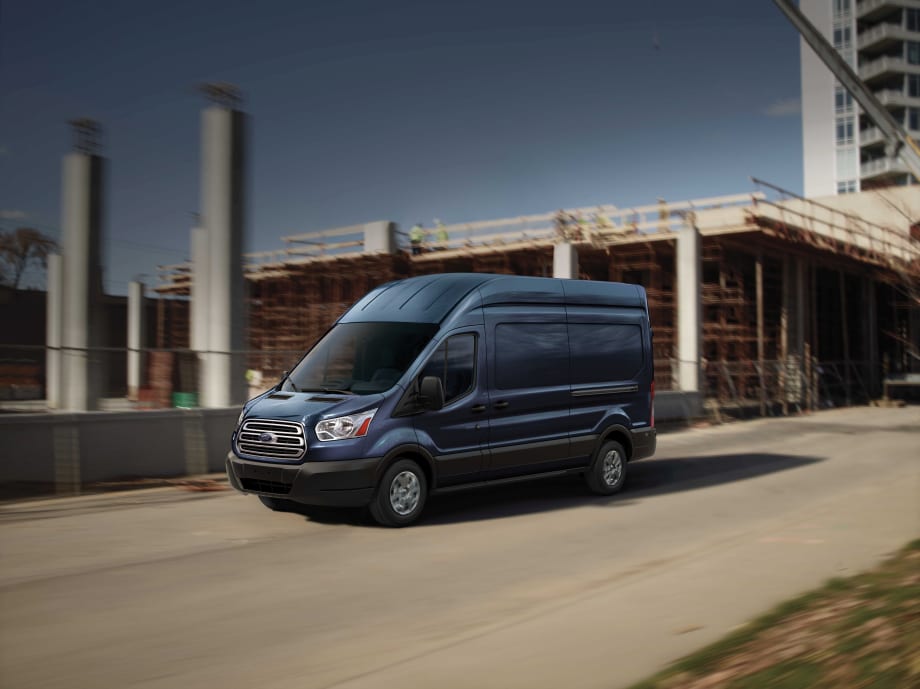

Ford announced its 2016 model year Transit will feature new additions, including SYNC 3, rearview camera technology and new customization options.
“These and other updates make the 2016 Ford Transit the smartest, most flexible van ever offered by Ford,” says Yaro Hetman, Ford brand manager for Transit, Transit Connect and E-Series. “Transit replaces America’s best-selling van for 35 years, E-Series, first sold in 1961 as Ford Econoline, and we look forward to continuing our leadership in this important segment.”
SYNC 3
Ford’s new communications and entertainment system available on Transit for 2016 — features faster performance, more conversational voice recognition, a more innovative smartphone-like touchscreen and easier-to-understand graphical interface to help Ford customers connect on the road.

Dual sliding side cargo doors also will be available for the first time on Ford Transit medium- and high-roof vans — meaning customers can choose from 58 vehicle configurations, up from 47 in the 2015 model year. With the introduction of a dual sliding door option on the 2016 Transit van, the vehicle with the most configurations in its class just got even more flexible.
More speed-limiting options and improved capability
Transit fleet customers can add an available speed limitation feature that caps top speed at 70 mph — providing another option to help encourage safe driving habits and help reduce fuel costs. Speeds already can be limited to 65 mph and 75 mph on 2015 Ford Transit models.
A host of additional upgrades for the 2016 Transit are designed to increase capability for customers who upfit their vehicles. Auxiliary fuse panels are optional on all Transit variants to power custom upfit accessories or other implements. A single absorbed glass mat (AGM) battery — designed for drivers who need to power extra lights or equipment — is optional on all gas engines. Heavy-duty alternators are optional on wagons — giving customers who upfit their vehicles more power to run accessories.

Front dome lamps with map lights and theater dimming will be standard on all Transit variants. The USB jack moves above the cup holder in the center console for easy access.
Ford will also offer four new paint colors debut for the 2016 model year: Shadow Black, Caribou, Magnetic and Race Red.
Customers can begin customizing their 2016 Ford Transit vehicles online starting Aug. 11, with vans and wagons available at Ford dealerships beginning in September.
More Management
VIA Metropolitan Transit Reports 2 Million More Passenger Trips as Better Bus Plan Gains Momentum
San Antonio's transit agency said accelerated service improvements are driving ridership growth, offering another example of how increased frequency and workforce investments can translate into stronger transit performance.
Read More →
ABAF Study Reveals Growing Insurance Crisis for Motorcoach Operators
Preliminary findings show 98% of operators faced premium increases over the past five years, while shrinking insurer participation is putting added pressure on businesses and customers.
Read More →
PSTA Modernizes Workforce Management with Digital Bidding System
The award-winning Workforce Transit Modernization project replaced paper bidding with a transparent digital platform, cutting administrative effort while improving access for operators.
Read More →
Chicago to Host Public Transportation's Biggest Gathering at APTA TRANSform & EXPO 2026
North America’s largest public transportation gathering returns to Chicago, connecting transit decision-makers with the technologies, ideas, and partnerships driving the industry forward.
Read More →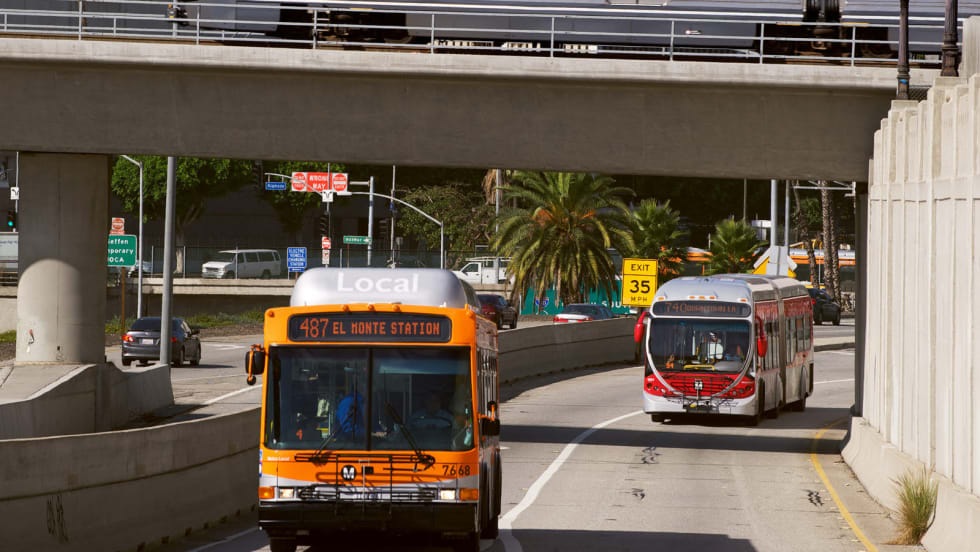
New Tricks for Old Bureaucracies: Joshua Schank on Making Transit Innovation Stick
Former LA Metro Chief Innovation Officer Joshua Schank discusses why good ideas aren't enough, how transit agencies can overcome resistance to change, and why today's challenges demand more innovation.
Read More →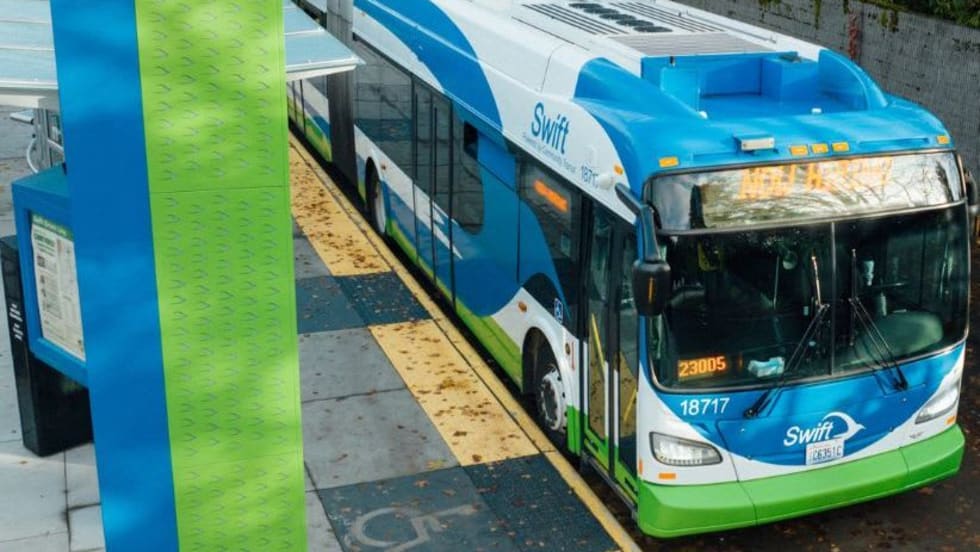
Washington's Community Transit Sets Six-Year Roadmap for Growth, Expansion
Approved TDP targets more bus service, new mobility options, Swift BRT expansion, and a potential Everett Transit annexation.
Read More →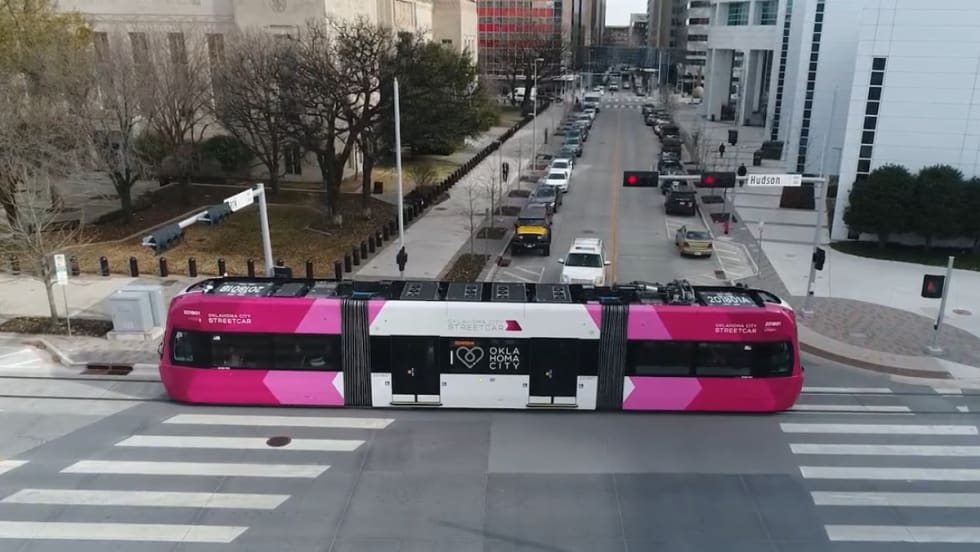
OKC Streetcar Makes Zero-Fare Service Permanent
Ridership increased an average of 71% compared with the same period a year earlier during the fare-free pilot.
Read More →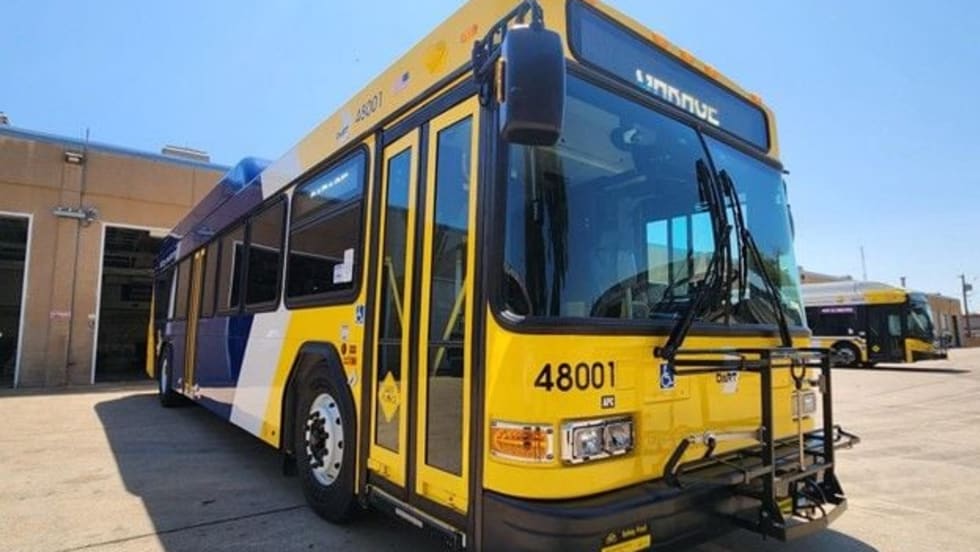
DART Customer Satisfaction Reaches Six-Year High
Overall satisfaction rose to 74.9%, while the agency’s Net Promoter Score reached a record 33.7.
Read More →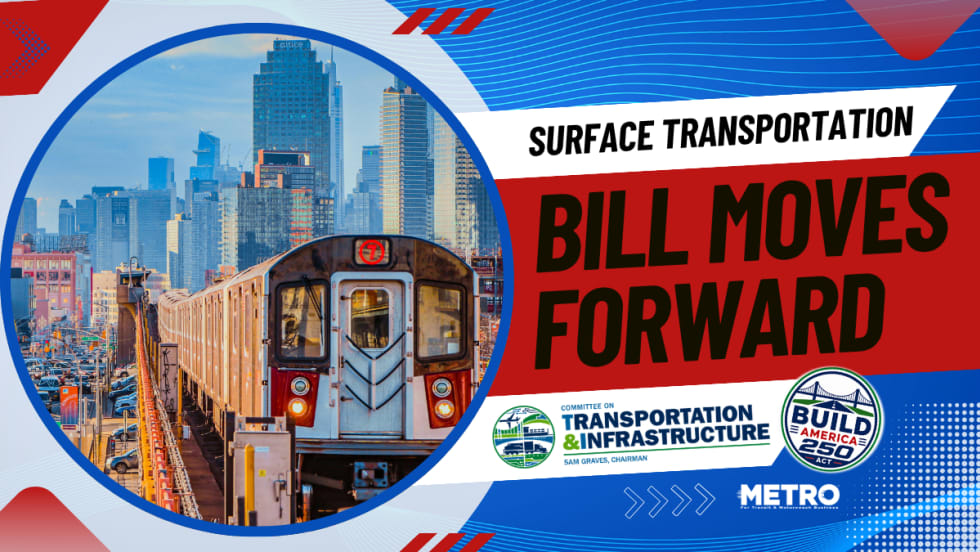
House Surface Transportation Bill Advances as Transit Funding Debate Intensifies
A bipartisan transportation package moving through Congress could redefine how the U.S. funds highways, transit, and motorcoach travel, while igniting new fights over electrification, regulation, and federal priorities.
Read More →
How Data, Strategy, and Community Engagement Are Reshaping Transit
In this edition of METROspectives, strada360 CEO Steve Lassey discusses how transit agencies can better align planning with operations, leverage data to improve decision-making, and build public trust as they prepare for the future of mobility.
Read More →