



Gov.'s budget proposes $169M cut in Chicago transit funding
The proposed cuts represent a 45% decrease in CTA state funding or a $130 million cut; a 60% decrease in Metra state funding or a $20.8 million cut; a 41% decrease in Pace state funding or a $10 million cut; and a 15% decrease in ADA paratransit state funding or $8.5 million cut.

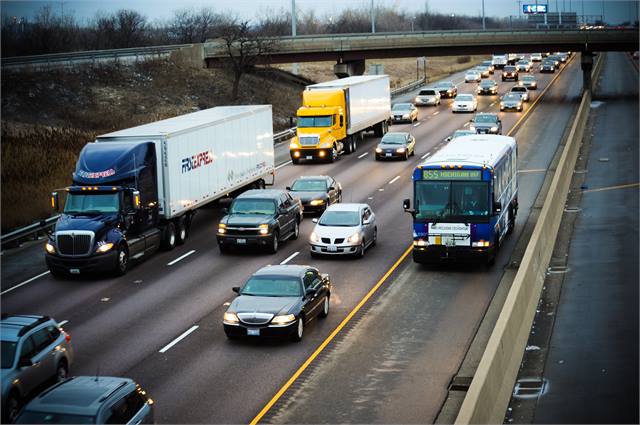

The Chicago Regional Transportation Authority (RTA) projected that the cuts described in Gov. Bruce Rauner’s proposed State of Illinois fiscal year 2016 (FY 2016) budget would level a blow to the operating budgets of the Chicago Transit Authority (CTA), Metra and Pace.
It is estimated that the proposed cuts would total $169.5 million region wide — meaning the service boards would receive $169.5 million less in their operating budgets than expected in the FY 2016, which begins on July 1, 2015 and ends on June 30, 2016.
The proposed cuts in the Gov. Rauner’s budget represent anticipated losses in funding from three main state sources:
Reducing the amount the state matches on total regional sales tax revenues by one-third, representing a $127 million cut from the $380 million that the state had budgeted for fiscal year 2016, which begins on July 1, 2015.
Eliminating $34 million used to administer the state-mandated free ride and the federally-mandated reduced fare programs for seniors and persons with disabilities. These programs cost the region $130 million annually.
Eliminating $8.5 million used to operate the federally-mandated ADA paratransit service.
The impact of these proposed cuts in state funding is severe. The proposed cuts represent a 45% decrease in CTA state funding or a $130 million cut; a 60% decrease in Metra state funding or a $20.8 million cut; a 41% decrease in Pace state funding or a $10 million cut; and a 15% decrease in ADA paratransit state funding or $8.5 million cut.

“We are working to keep the lines of communications open with Governor Rauner and his team, as it relates to public transportation funding,” said Leanne Redden, executive director of the RTA. “But, let’s be clear. Should these cuts be enacted, it would be difficult to avoid service cuts and fare hikes for CTA, Metra and Pace customers. In a time when our regional system provides two million passenger trips each work day, these cuts could ultimately result in hundreds of thousands of drivers returning to our already heavily congested road and highway system and impact vital connections to jobs and education throughout the region.”
Redden went on to reiterate that the transit agencies have spent the last several years making prudent budget decisions. Since 2011, the CTA has wiped out a $308 million structural deficit, rehabbed stations and rail lines, eliminated slow zones, upgraded nearly entire rail and bus fleets, reduced excessive overtime and developed a modern supply chain system.
Metra has laid out a responsible multi-year capital plan to improve its signal system and renew rolling stock and has taken the difficult step of raising fares to help pay for increasing capital improvement costs. The commuter railroad has also addressed overtime, implemented health care cost sharing and achieved efficiencies in legal and insurance costs.
Pace’s bus system is finding new, cost-effective ways to meet commuter needs and build ridership by initiating popular programs like its Buses on Shoulders service, and is beginning to gradually convert its bus fleet to operate on compressed natural gas, which is expected to lower overall fuel costs.
Redden went on to say that without stable funding sources to support operations and capital, the proposed cuts risk unwinding the progress that the agencies have made to date and create significant challenges for the future.
More Management
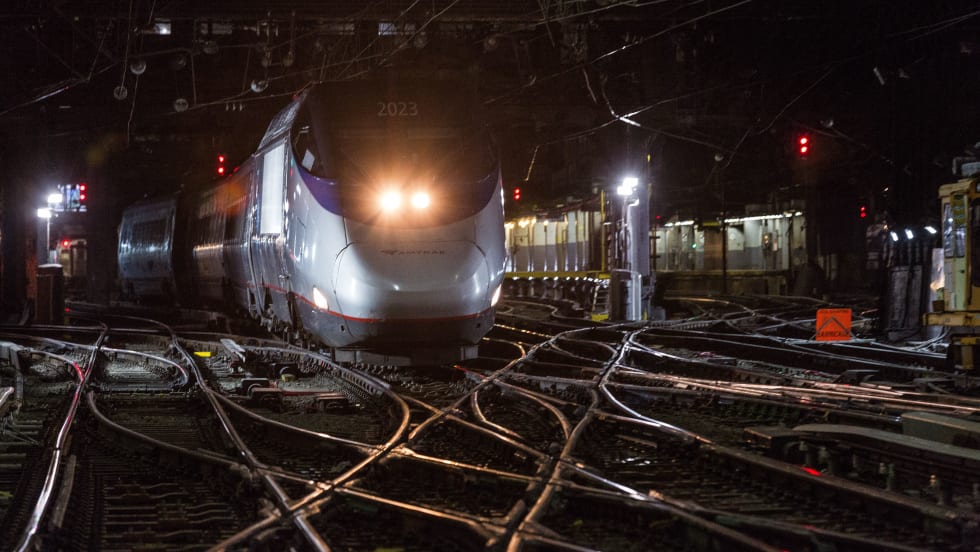
Amtrak Board Advances Plan to Restructure Organization, Seeks Public Input
The proposal, developed by Amtrak management and approved by the board for further consideration, is intended to modernize the organization's structure while improving accountability, operational efficiency, and customer service.
Read More →
Turn Transit Data Into Action
Discover how leading agencies are using connected technology to gain real-time visibility across operations, improve service reliability, and reduce disruptions.
Read More →
What Transit-Oriented Development Means for the Future of Public Transportation
Once viewed primarily as transit operators, agencies are now leveraging land, partnerships, and long-term planning to boost ridership, expand housing, and strengthen communities.
Read More →
USDOT Announces $22 Million for Transit Innovation, Updates High-Speed Rail Rules
New federal transit funding will support safety, accessibility, and technology projects as updated rail regulations establish new noise standards for high-speed trains.
Read More →
Transportation Construction Coalition Unveils Infrastructure Case Studies Ahead of Federal Funding Deadline
The coalition noted the next surface transportation bill should provide sustained investment in highways and public transit to strengthen freight movement, improve safety, and support economic growth.
Read More →
People Movement: American Bus Association Extends Ferguson and More
METRO’s People Movement highlights the latest leadership changes, promotions, and personnel news across the public transit, motorcoach, and people mobility sectors.
Read More →
METRO Magazine Announces 2026 Innovative Solutions Awards Winners
Projects Recognized for Advancing Mobility Through Technology, Accessibility, Workforce Innovation, and Operational Excellence
Read More →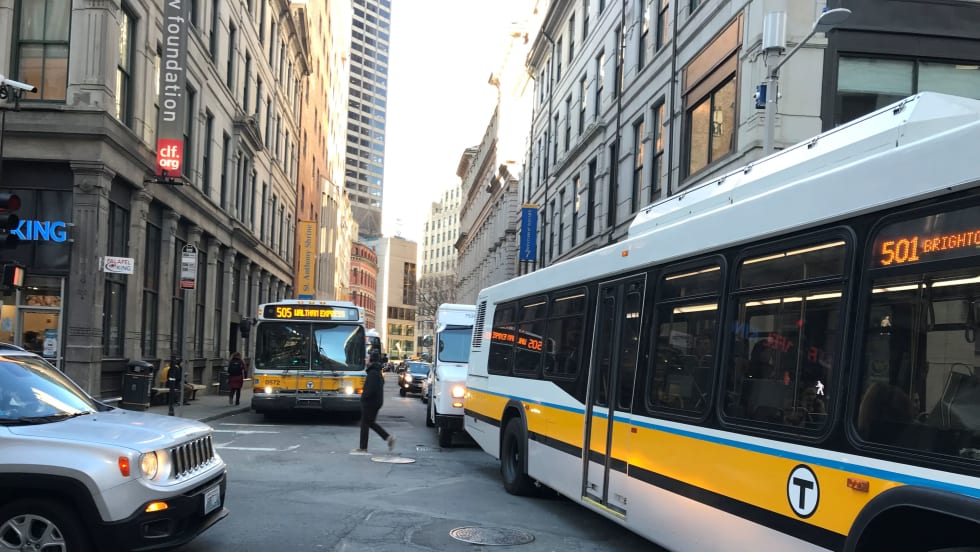
MBTA Rolls Out Pilot Programs to Cut Costs, Simplify Travel
Three new fare pilots — including unlimited two-hour transfers, reduced express bus fares, and free transit for eligible seniors — will launch this fall as Massachusetts extends popular commuter rail discounts through November.
Read More →
FTA Opens $610 Million Funding Opportunity for Bus Infrastructure Projects
The latest Notice of Funding Opportunity provides transit agencies with funding for bus facilities, fleet modernization, and low- and no-emission vehicles, with applications due September 21.
Read More →
Biz Briefs: STV teams with Amtrak, Motorcoach Operators Boost Fleet and Land Contracts, and More
From manufacturers and suppliers to transit agencies and motorcoach operators, these updates offer a snapshot of the projects, partnerships and business moves driving the industry forward.
Read More →