




RELATED: IndyGo finalizes new strategy to charge electric buses
IndyGo taps Santa Clara VTA exec as new president/CEO
Inez Evans will replace current IndyGo President/CEO Michael Terry in mid- to late August.
July 10, 2019
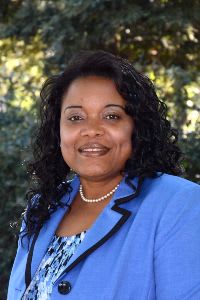
The IndyGo Board of Directors announced its selection of Inez Evans as the organization’s new president and CEO.
2 min to read
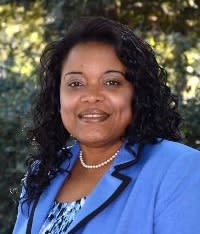
The IndyGo Board of Directors announced its selection of Inez Evans as the organization’s new president and CEO.
The IndyGo Board of Directors announced its selection of Inez Evans as the organization’s new president and CEO. Evans currently serves as COO for the Santa Clara Valley Transportation Authority (VTA) where she is responsible for leading 1,600 employees, maintaining nearly 700 vehicles, and ensuring exceptional customer service for the VTA’s 43 million customers.
Evans will replace current IndyGo President/CEO Michael Terry in mid to late August. She brings more than 25 years of experience to IndyGo and has led several successful transportation initiatives across the country, including installation of bus rapid transit service and master planning for 100% fleet electrification.
In conducting its national search, IndyGo sought a proven leader and strong communicator, someone with the ability to build and nurture relationships, bring communities together and affect organizational change, the agency stated. Evans was recruited to Santa Clara VTA as chief of staff in 2014, only to be quickly promoted one year later to COO.
During her time at VTA, she has been responsible for overseeing several departments outside of operations including risk management, human resources, procurement, board office, scheduling and service development, community relations, marketing, payroll, and information technology. The organization has an annual operating budget of $365 million and an annual capital budget of $300 million.
“IndyGo is embarking on a dynamic endeavor, essentially doubling the size of its bus system while introducing cutting-edge technology and a 100% electric-powered fleet,” said Evans. “Indianapolis is receiving national recognition for its industry leading innovations. I can’t imagine an opportunity with greater potential, and I intend to maximize every ounce of it.”
During her 25-year career, Evans has worked with a diverse group of transportation organizations and companies in various cities across the country. Prior to the Santa Clara VTA, Evans served as COO for the Southwest Ohio Regional Transit Authority and director of transportation for the Metropolitan Atlanta Regional Transportation Authority. Before that, she held positions with Austin-based Star Tran, San Jose-based Veolia Transportation, and MV Transportation in Fairfield, Calif.
More Management

Everett Transit, Community Transit Outline Consolidation Agreement
The proposed agreement calls for a 50% increase in bus service in Everett, a new microtransit zone, continued paratransit service, and the transfer of Everett Transit operations to Community Transit.
Read More →
Strada360’s Steve Lassey on Turning Transit Data Into Better Decisions
From breaking down data silos to preparing for AI, Strada360 CEO Steve Lassey discusses how transit agencies can use technology to improve operations, customer information, and long-term decision-making.
Read More →
People Movement: Phil Washington Joins HNTB, Denver RTD Launches CEO Search, and More
In this edition, we also spotlight recent personnel moves at STV, the Eno Center for Transportation, and more, highlighting the people taking on new roles across the transportation industry.
Read More →

SEPTA Details Accelerate Vision for Transit System
The plan outlines investments in trolley modernization, new Metro and Regional Rail vehicles, accessible stations, and more frequent bus and rail service.
Read More →
FTA Ends Direct Oversight of MBTA Safety Actions
The federal agency closed its remaining special directive to the Massachusetts Department of Public Utilities following a safety review that began in 2022.
Read More →
Report: Transit Bus Manufacturing Supports 34,100 Jobs, $5.1B in GDP
The “Buses Mean Business” report examines the transit bus manufacturing industry’s economic footprint, supply chain, and rising demand for vehicle replacements.
Read More →
LIT Marks 10-Year Milestone at Annual Summit
Hosted by the COTA from September 10 to 13, the Summit carried the theme “Celebrating 10 Years of Excellence, Leadership, and Impact,” with every part of the program honoring the people, agencies, and partners who built LIT over its first decade.
Read More →
People Movement: Dan Dipert Coaches Adds Third-Generation Leader, Keolis Names New Valley Metro VP/GM, and More
In this edition, we also cover recent appointments and announcements at the Wabtec, SilverRide, HNTB, and more, showcasing the individuals helping to shape the future of transportation.
Read More →
METRO Opens Submissions for 2026 Motorcoach Awards
Nominations are now being accepted for METRO Magazine’s Operator of the Year and Innovative Operator of the Year awards.
Read More →
New York MTA Advances Final Contract for Second Avenue Subway Expansion
Contract Four is the largest in the Second Avenue Subway Phase 2 project and includes construction of station infrastructure, tracks, and signals for the subway expansion, MTA officials said. Work on Contract Four will begin in 2027.
Read More →