



L.A. electric vehicle plan aims to cut air pollution, GHGs 25% by 2028
Sets bold new targets for electric vehicles, charging infrastructure, mode shift and zero-emissions trucks.


A Los Angeles DOT bus manufactured by BYD.
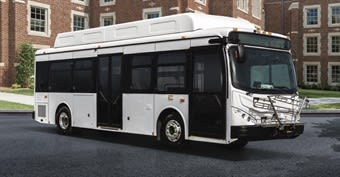
A Los Angeles DOT bus manufactured by BYD.
A Los Angeles transportation electrification coalition unveiled a plan committed to developing policies and pilots in 2020 to achieve bold new targets for electric vehicles, charging infrastructure, mode shift and zero-emissions trucks
The Zero Emissions 2028 Roadmap 2.0, released by the Los Angeles Cleantech Incubator (LACI) and its partners, plans to accelerate the deployment of zero-emissions electric cars, buses and trucks, and charging stations across the LA region. Achieving the roadmap’s targets and call to action will result in cleaner air and dramatically reduce the region’s transportation sector greenhouse gas emissions, going 25% beyond existing commitments tied to California state law and the Paris Climate Accord.
The Roadmap 2.0 outlines exactly how this vision can become a reality for the LA region, embodying a strong commitment from public and private members of the Transportation Electrification Partnership (TEP). Together, the partners commit to work together in the coming year to develop policies, put in place pilots, and seek other strategies to achieve the targets in the Roadmap.
For the second edition of the Zero Emissions 2028 Roadmap, the TEP partners have committed to working individually and collectively towards the 25% goal through a three-pronged call to action to ensure:
Electric vehicles account for 30% of all light-duty passenger vehicles on the road and at least 80 percent of all vehicles sold;
20% of all trips in single-occupancy vehicles shift to zero-emissions public transport, bikes or other active transportation options;
All public investments into surface vehicles and related infrastructure for goods movement will advance zero-emissions solutions and that the I-710 is the first zero-emissions goods-movement corridor in the nation.
In all of this work, the TEP partners prioritize equity for disadvantaged communities that both lack access to last mile/first mile solutions as well as disproportionately suffer from health impacts, including asthma and heart attacks, associated with dirty, fossil-fueled transportation. In response, TEP and LACI recently announced mobility pilot projects and investment of $500,000 across four different disadvantaged communities across the LA region in neighborhoods that lack adequate mobility options with LACI startups to deliver EV car sharing and micromobility options.
The Transportation Electrification Partnership (TEP), formed by LACI in May 2018, is a multi-year partnership among local, regional, and state stakeholders to accelerate progress towards transportation electrification and zero emissions goods movement in the Greater L.A. region in advance of the 2028 Olympic and Paralympic Games. TEP released the Zero Emissions 2028 Roadmap in September 2018 focusing on actions needed to achieve the shared goal of 25% additional reductions in GHGs and air pollution. The TEP Leadership Group includes the Mayor of L.A., County of Los Angeles, CARB, LADWP, SCE, Metro, and LACI.
More Zero Emissions
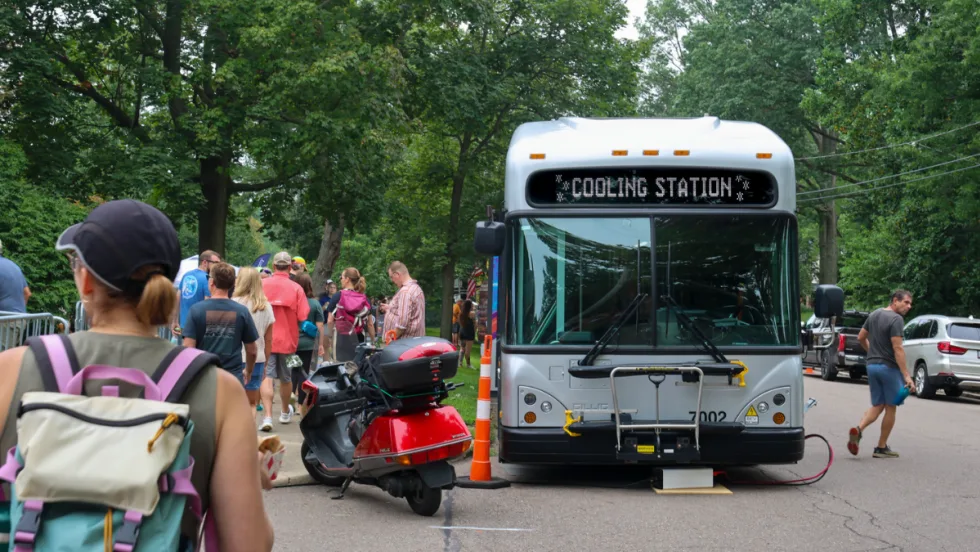
Ohio’s METRO RTA Turns Electric Buses into Mobile Power Sources at PorchROKR
See how three Gillig battery-electric buses powered festival stages while the agency’s new Park & Ride service carried approximately 1,000 attendees, demonstrating another potential use for transit agencies’ electric fleets.
Read More →
CALSTART and Forth Combine to Form Catalyst Mobility
The new name represents a renewed vision for the nonprofit focused on advancing clean, equitable, and affordable transportation solutions that move people and goods.
Read More →
Building a Flexible Path to Transit Electrification
John Hroncich discusses BAE Systems’ modular and scalable approach, lessons learned from decades of real-world operations, and how agencies can identify electrification strategies that fit their fleets.
Read More →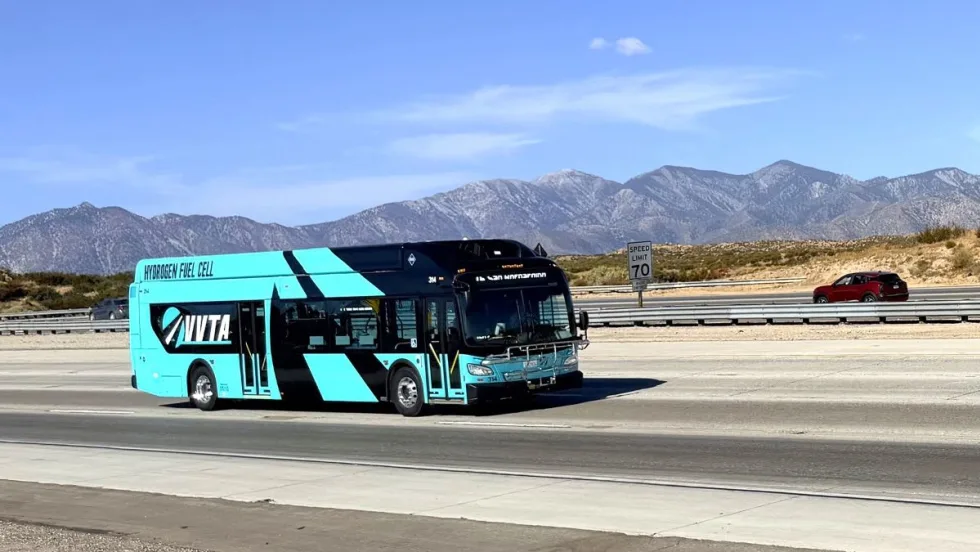
California's VVTA Begins Phased Rollout of Hydrogen Fuel Cell Buses
The agency is introducing 13 zero-emission buses into revenue service while evaluating performance across its urban, rural, and long-distance routes.
Read More →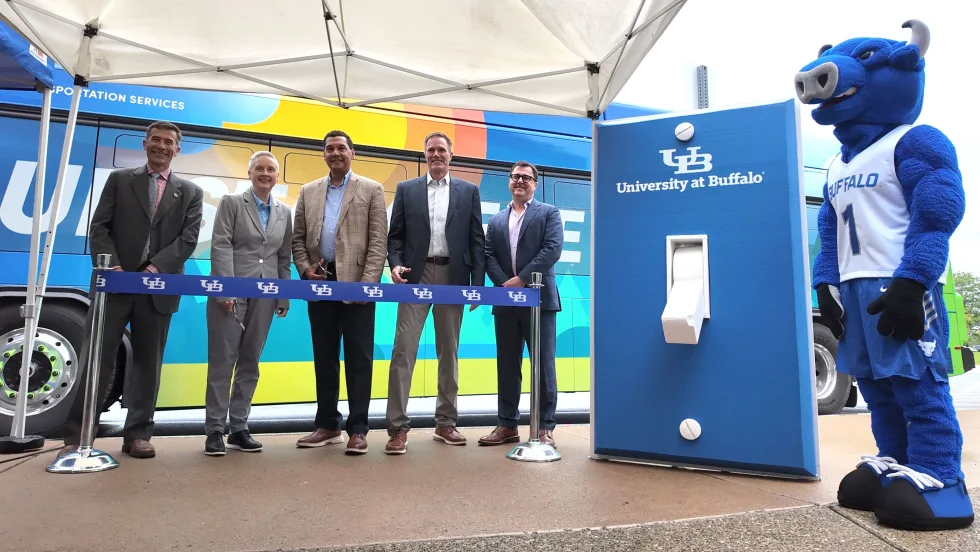
Inside Look: University at Buffalo Puts First 8 Electric Buses Into Stampede Service
UB, transportation solutions provider WeDriveU, and fleet electrification specialist Zenobē marked the deployment in the presence of students, university administrators, and local officials.
Read More →
Biz Briefs: OCTA Taps Clean Energy for Hydrogen Station, Stadler to Supply Via Rail Vehicles, and More
From manufacturers and suppliers to transit agencies and motorcoach operators, these updates offer a snapshot of the projects, partnerships and business moves driving the industry forward.
Read More →
AC Transit’s Cecil Blandon on Building the Next Generation of Transit Maintenance Leaders
The agency’s maintenance chief discusses leadership, workforce development, zero-emission technology, and preparing technicians for the future of public transportation.
Read More →
CTDOT Taps STV for Electric Bus Facility Design
The firm will work with CTDOT and RVT to define the facility layout, operational requirements, and long-term flexibility for RVT’s growing electric fleet.
Read More →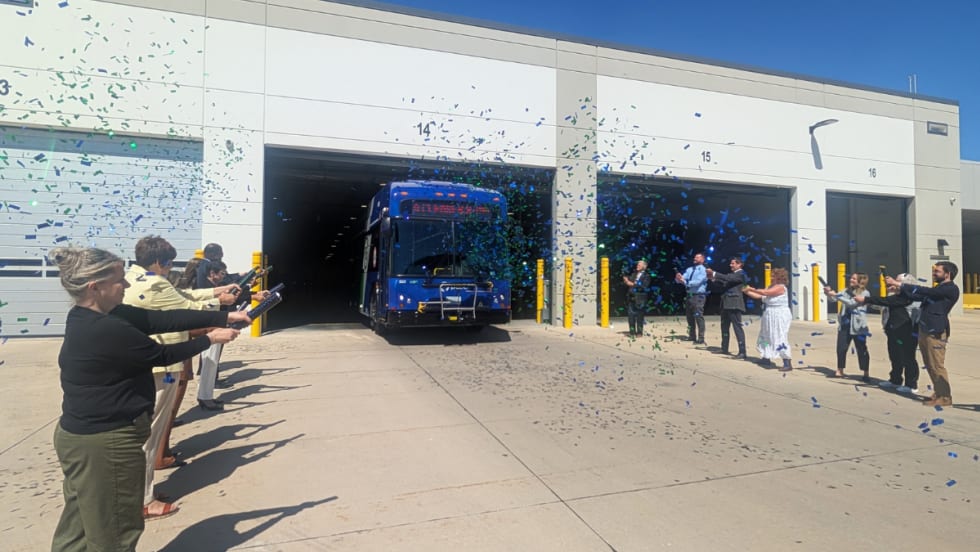
Chicago’s Pace Deploys 24 Hybrid-Electric Buses in Will County
The new buses reduce emissions and fuel consumption while advancing the agency's long-term goal of transitioning to a fully zero-emission fleet.
Read More →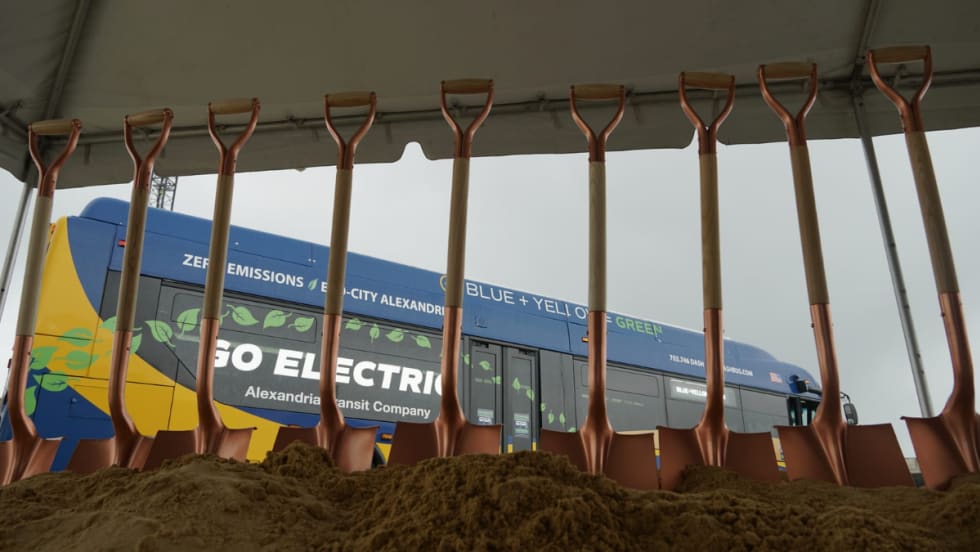
DASH Breaks Ground on First On-Route Electric Bus Chargers in D.C. Region
The fast-charging infrastructure will help extend electric bus range, improve fleet utilization, and support DASH's goal of transitioning to a fully zero-emission fleet.
Read More →