



L.A. Metro Moves Closer to Zero Emission Buses
LA Metro will be distributing $320.6 million in Zero Emission Transit Capital Program funds for Los Angeles County Municipal Operators Association members.

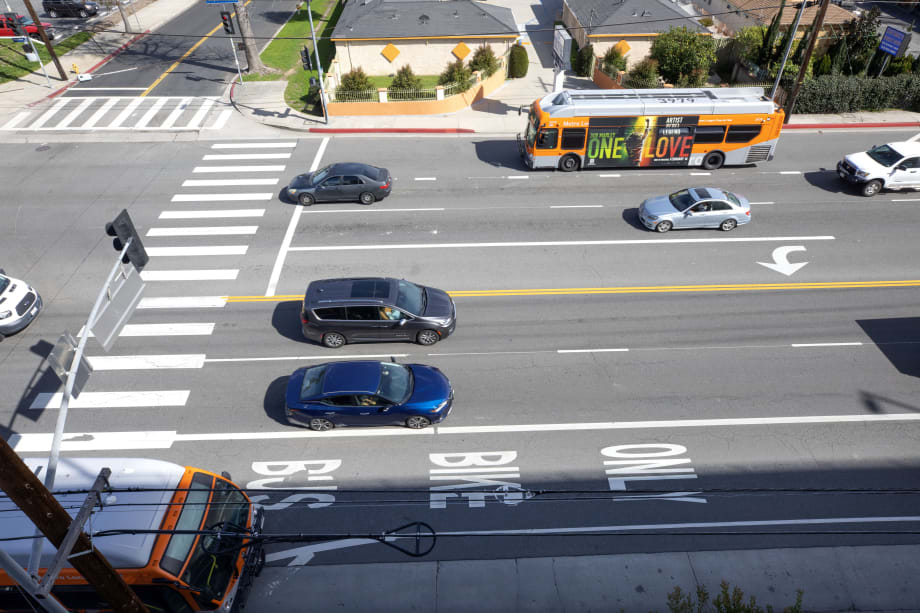
LA Metro continues to expand their bus offerings while also promoting local zero emission bus manufacturing.
Photo: LA Metro
With the U.S. transit bus manufacturing industry in crisis the Los Angeles County Metropolitan Transportation Authority (METRO) Aims to provide relief to struggling Original Equipment Manufacturers (OEMs).
Through Metro’s Regional Zero Emission Bus (ZEB) Procurement Policy, the board requires that all future bus procurements reduce customization requirements, introduce new and early milestone payments, and encourage other local bus agencies to participate.
“This is the first time Metro is partnering with transit agencies across LA County to buy new buses together. It’s an opportunity to pool our purchasing power while also supporting zero emissions bus manufacturing jobs here in the US,” said Metro Board Chair and LA County Supervisor Janice Hahn. “This is the sort of creative approach we need to get all of our transit providers closer to zero emissions, clean air future.”
Funding Zero Emission Buses
The Metro board also approved $49.84 million in state Zero Emission Transit Capital Program (ZETCP) funds for Los Angeles County Municipal Operators Association (LACMOA) members to purchase ZEBs and charging infrastructure through regional procurement. This is the largest in U.S. history and increases competition and interest among U.S. bus manufacturers.
The ZETCP will allocate $320.6 million to Metro over four years for new ZEBs, charging infrastructure and facility modifications. Metro will distribute all for years of ZETCP funds to LACMOA members in advance so that they can use the funds immediately.
“Metro and more than two dozen local transit operators need to purchase thousands of Buy-America compliant electric buses over the next decade – but domestic manufacturing of these buses has not kept pace with demand,” said Metro CEO Stephanie Wiggins. “This coordinated approach between Metro and the Los Angeles County Municipal Operators Association will support U.S. bus manufacturing and ensure that sufficient manufacturers remain in the market to meet California’s sustainability goals.”
Federal Aid for ZEBs
On Feb. 7, 2024, Wiggins was a speaker at a White House roundtable on clean bus manufacturing that outlines specific steps transit agencies could take to bolster America’s ZEB manufacturing capabilities.
The Federal Transit Administration (FTA) has taken decisive steps to deliver robust federal funding to expand Metro’s fleet of ZEBs as well. In August 2022 they provided a $104 million federal grant to Metro for the purchase and deployment of 160 battery-electric buses as well as for the installation of enroute and depot charging stations.
This federal funding is enabling Metro to support the transition to ZEB service on routes operating out of Metro’s Division 9 and 18 including the J Line Bus Rapid Transit Service.
This grant is also funding related workforce development and training activities.
The FTA provided an additional $77.5 million to Metro in June of 2024.
Metro’s allocation of Los Angeles County Regional ZETCP funds can be used to replace transit vehicles with zero emission, support associated fueling or charging infrastructure, facility modifications, and transit operations expenditures that demonstrate a reduction in greenhouse gas emissions.
The regional procurement will help accelerate the region’s clean vehicle future as well as ensure communities receive reliable transit service.
More Zero Emissions
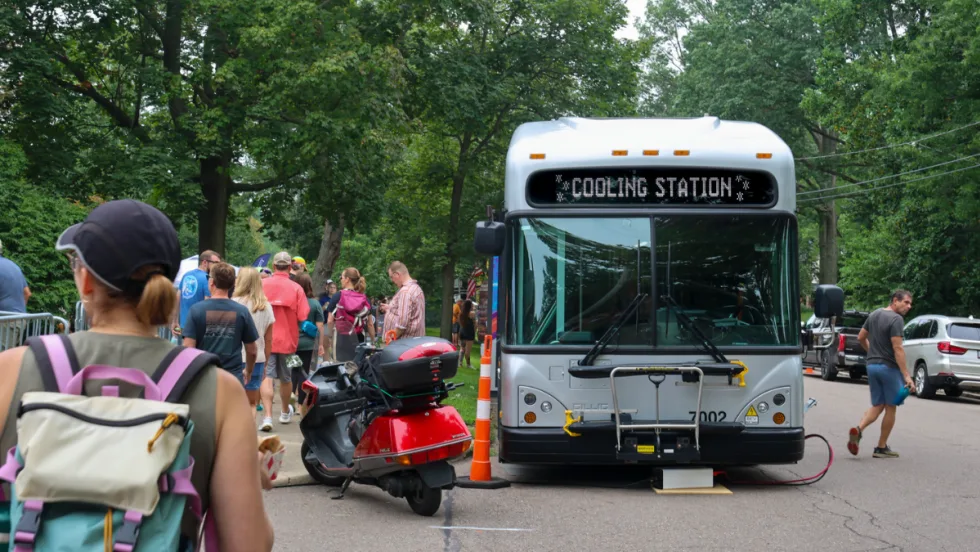
Ohio’s METRO RTA Turns Electric Buses into Mobile Power Sources at PorchROKR
See how three Gillig battery-electric buses powered festival stages while the agency’s new Park & Ride service carried approximately 1,000 attendees, demonstrating another potential use for transit agencies’ electric fleets.
Read More →
CALSTART and Forth Combine to Form Catalyst Mobility
The new name represents a renewed vision for the nonprofit focused on advancing clean, equitable, and affordable transportation solutions that move people and goods.
Read More →
Building a Flexible Path to Transit Electrification
John Hroncich discusses BAE Systems’ modular and scalable approach, lessons learned from decades of real-world operations, and how agencies can identify electrification strategies that fit their fleets.
Read More →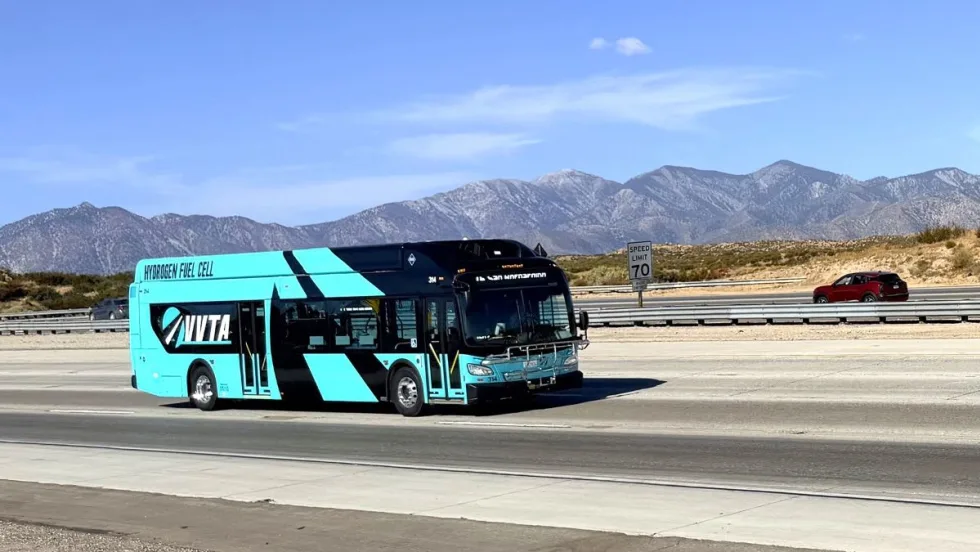
California's VVTA Begins Phased Rollout of Hydrogen Fuel Cell Buses
The agency is introducing 13 zero-emission buses into revenue service while evaluating performance across its urban, rural, and long-distance routes.
Read More →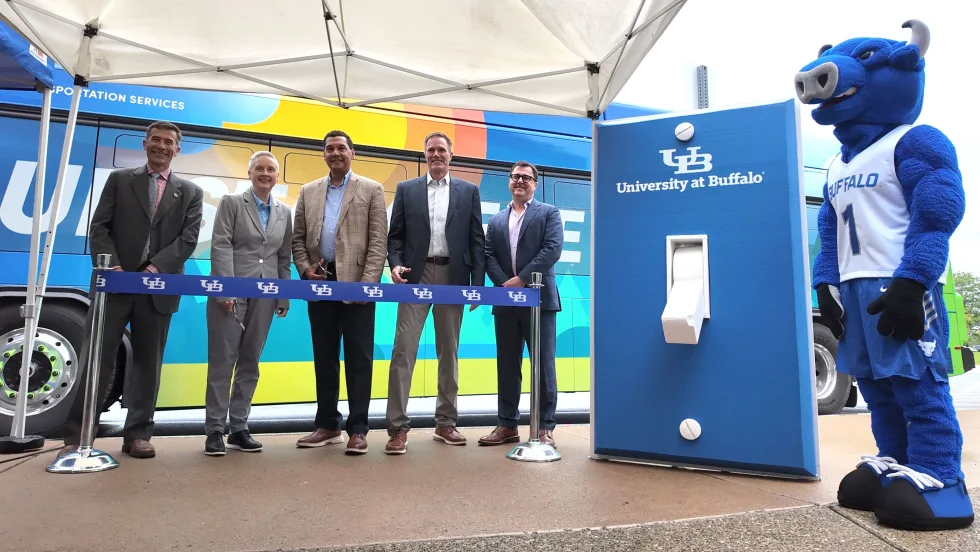
Inside Look: University at Buffalo Puts First 8 Electric Buses Into Stampede Service
UB, transportation solutions provider WeDriveU, and fleet electrification specialist Zenobē marked the deployment in the presence of students, university administrators, and local officials.
Read More →
Biz Briefs: OCTA Taps Clean Energy for Hydrogen Station, Stadler to Supply Via Rail Vehicles, and More
From manufacturers and suppliers to transit agencies and motorcoach operators, these updates offer a snapshot of the projects, partnerships and business moves driving the industry forward.
Read More →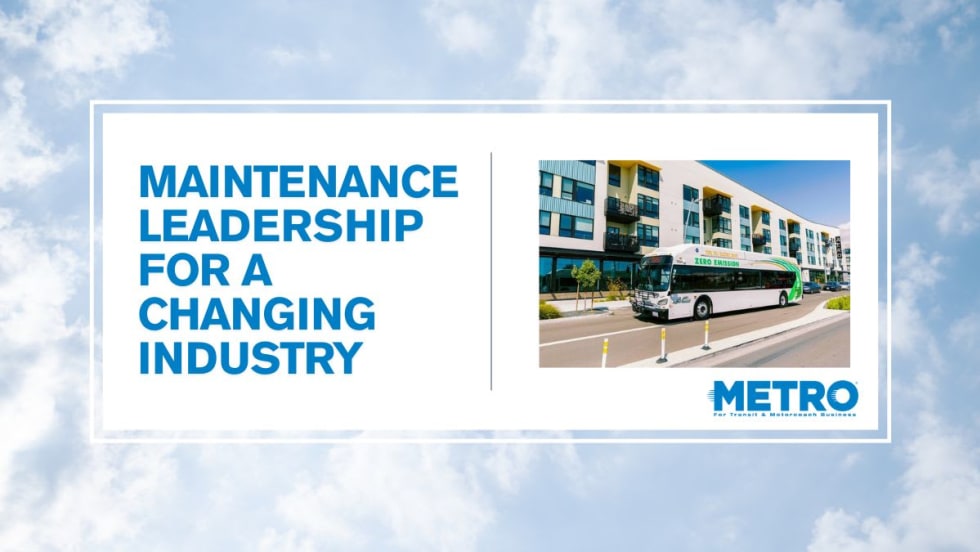
AC Transit’s Cecil Blandon on Building the Next Generation of Transit Maintenance Leaders
The agency’s maintenance chief discusses leadership, workforce development, zero-emission technology, and preparing technicians for the future of public transportation.
Read More →
CTDOT Taps STV for Electric Bus Facility Design
The firm will work with CTDOT and RVT to define the facility layout, operational requirements, and long-term flexibility for RVT’s growing electric fleet.
Read More →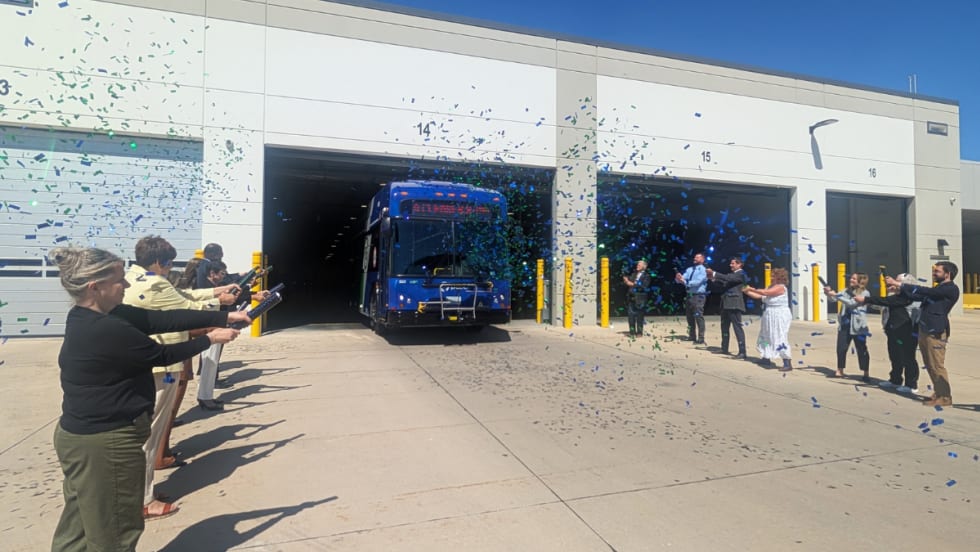
Chicago’s Pace Deploys 24 Hybrid-Electric Buses in Will County
The new buses reduce emissions and fuel consumption while advancing the agency's long-term goal of transitioning to a fully zero-emission fleet.
Read More →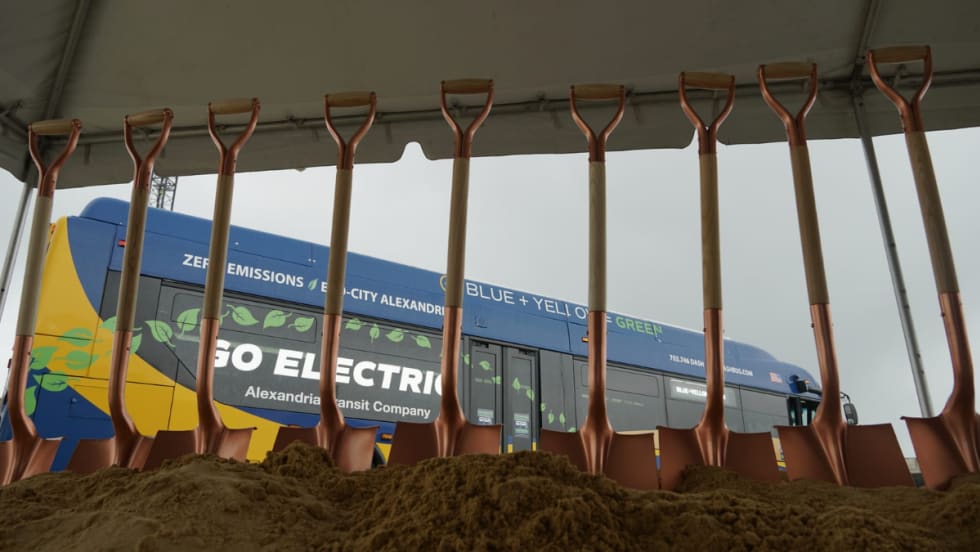
DASH Breaks Ground on First On-Route Electric Bus Chargers in D.C. Region
The fast-charging infrastructure will help extend electric bus range, improve fleet utilization, and support DASH's goal of transitioning to a fully zero-emission fleet.
Read More →