



MCTS to Add 15 Electric Buses from Nova Bus
The first 11 LFSe+ buses will run exclusively on the agency’s upcoming East-West Bus Rapid Transit line. Four additional vehicles will be used along regular routes.
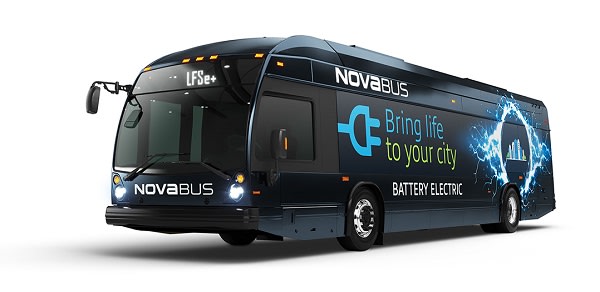
This is Nova Bus’s first order of LFSe+ vehicles in the U.S.
MCTS
The Milwaukee County Transit System (MCTS) has awarded a contract to Nova Bus to build Milwaukee County’s first battery-electric buses.
Nova Bus will produce up to 15 all-electric LFSe+ buses for MCTS. The first 11 vehicles will run exclusively on the upcoming East-West Bus Rapid Transit (BRT) line; four additional vehicles will be used along regular routes.
“Alternative-fuel buses represent the future of public transportation,” said Milwaukee County Executive David Crowley. “We’re excited to transition towards greener, more sustainable, and more efficient transit for our community. Innovative technologies like this help in our mission to advance racial equity and enhance the quality of life through great public service.”
Passengers who board these buses will enjoy a quiet ride, comfortable seating, USB charging ports, off-board fare collection, and a bike rack. Additionally, the new clean-air vehicles have several features that strengthen accessibility and improve the experience of riders with disabilities:
Riders who use mobility devices (or any rider, regardless of their ability) can enter the bus through the front or back door thanks to wider aisles and level boarding via new BRT platforms.
Each bus is equipped with a QUANTUM Self-Securement system, allowing passengers who use mobility devices to secure themselves independently, in addition to traditional driver-operated securement equipment.
Because battery-electric buses are nearly silent when operating at low speeds, exterior and interior chimes will sound when the vehicle slows to under three miles per hour to ensure that passengers who are blind or low vision know the bus is approaching a stop.
Built on Nova Bus’s LFS platform and a traction motor and next generation powertrain from BAE Systems, the battery-electric buses can operate up to 247 miles on a single charge. To help ensure optimum performance during winter months, diesel-powered heaters will keep the passenger compartment at appropriate temperatures. Batteries will be recharged at MCTS’s maintenance garages and at a designated charging station along the BRT route.
This is Nova Bus’s first order of LFSe+ vehicles in the U.S. Several key components of the buses will be built and assembled locally at businesses in Pleasant Prairie, Racine, Greendale, Pewaukee, Elkhart Lake, and Manitowoc.
The nine-mile East-West BRT, which is a first-of-its-kind undertaking in the Badger State, will allow MCTS to better connect major employment, education, and recreation destinations through downtown Milwaukee and surrounding areas. Construction for the project is slated to begin in spring of 2021, with revenue service starting as early as fall of 2022. The electric buses are expected to arrive in Milwaukee in summer of 2022.
More Zero Emissions
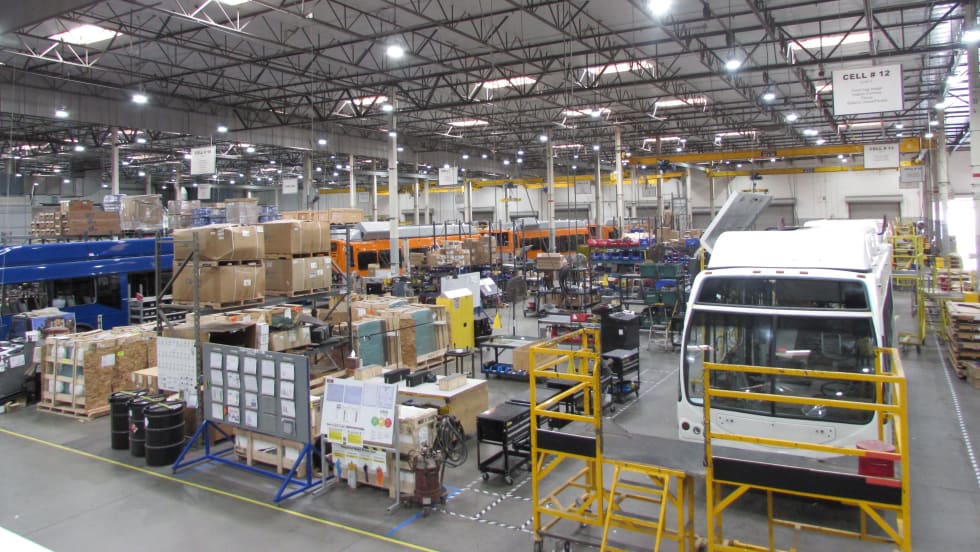
LA Metro Board Awards 220 Battery-Electric Bus Contract to ENC
The contract, which is the largest base award of battery-electric buses by a U.S. transit agency, will be built in Southern California, sustaining good jobs as LA prepares to welcome the world in 2028
Read More →
Public Transit Conference Returning to GFX in 2027, Call for Papers Now Open
The Call for Papers is now open, allowing transit agency professionals and industry experts to help shape the PTC educational program by submitting session ideas for consideration.
Read More →
Report: Transit Bus Manufacturing Supports 34,100 Jobs, $5.1B in GDP
The “Buses Mean Business” report examines the transit bus manufacturing industry’s economic footprint, supply chain, and rising demand for vehicle replacements.
Read More →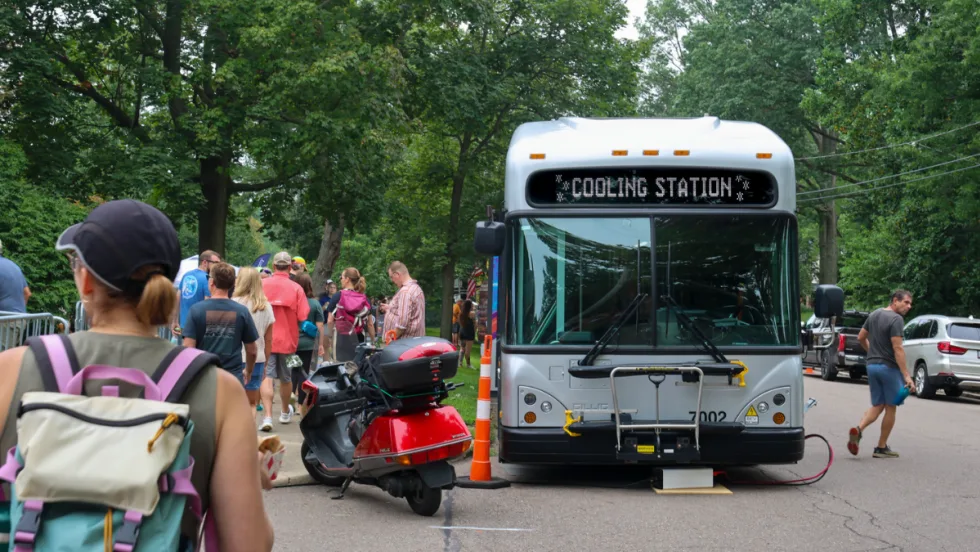
Ohio’s METRO RTA Turns Electric Buses into Mobile Power Sources at PorchROKR
See how three Gillig battery-electric buses powered festival stages while the agency’s new Park & Ride service carried approximately 1,000 attendees, demonstrating another potential use for transit agencies’ electric fleets.
Read More →
CALSTART and Forth Combine to Form Catalyst Mobility
The new name represents a renewed vision for the nonprofit focused on advancing clean, equitable, and affordable transportation solutions that move people and goods.
Read More →
Building a Flexible Path to Transit Electrification
John Hroncich discusses BAE Systems’ modular and scalable approach, lessons learned from decades of real-world operations, and how agencies can identify electrification strategies that fit their fleets.
Read More →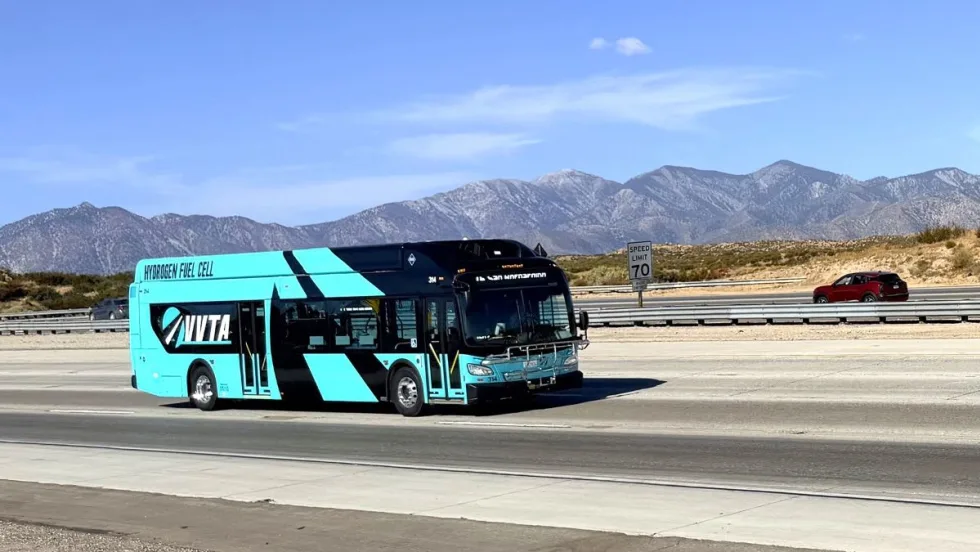
California's VVTA Begins Phased Rollout of Hydrogen Fuel Cell Buses
The agency is introducing 13 zero-emission buses into revenue service while evaluating performance across its urban, rural, and long-distance routes.
Read More →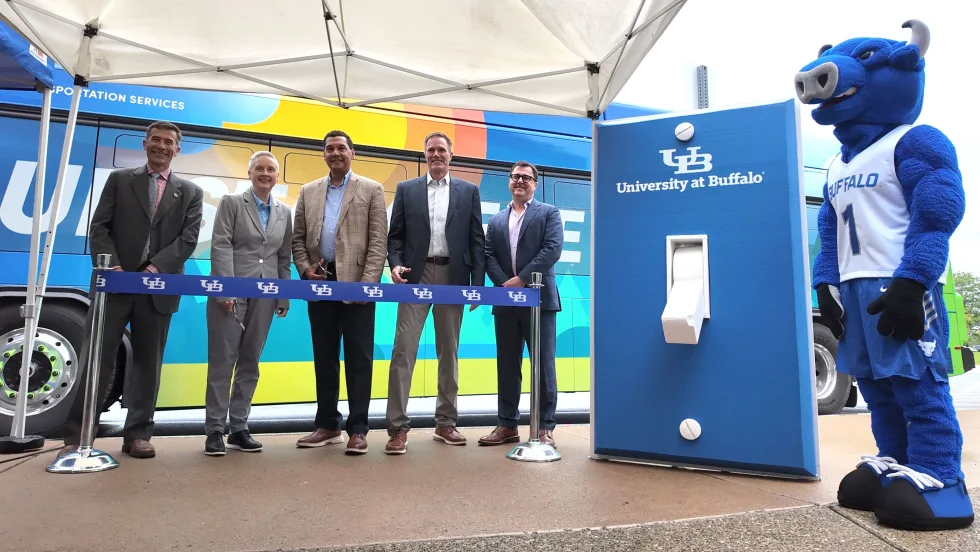
Inside Look: University at Buffalo Puts First 8 Electric Buses Into Stampede Service
UB, transportation solutions provider WeDriveU, and fleet electrification specialist Zenobē marked the deployment in the presence of students, university administrators, and local officials.
Read More →
Biz Briefs: OCTA Taps Clean Energy for Hydrogen Station, Stadler to Supply Via Rail Vehicles, and More
From manufacturers and suppliers to transit agencies and motorcoach operators, these updates offer a snapshot of the projects, partnerships and business moves driving the industry forward.
Read More →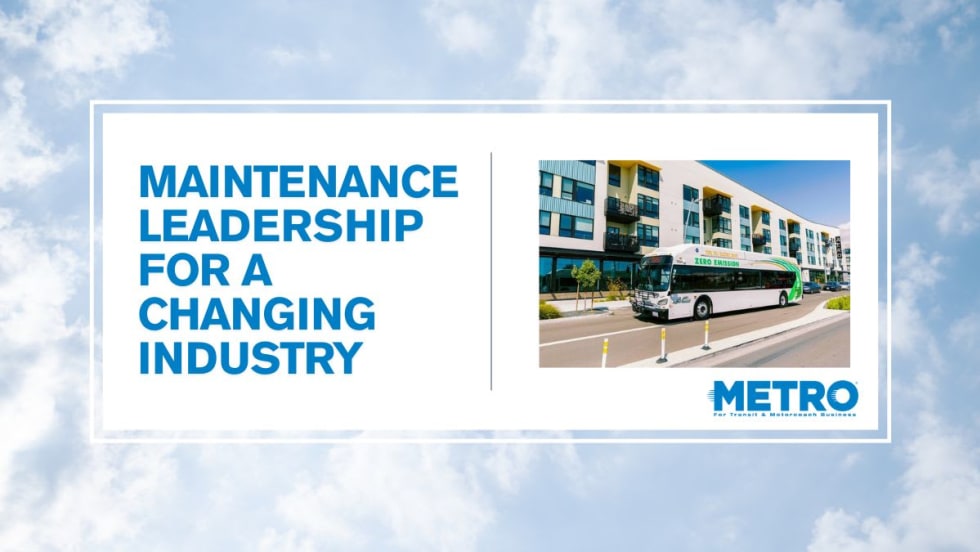
AC Transit’s Cecil Blandon on Building the Next Generation of Transit Maintenance Leaders
The agency’s maintenance chief discusses leadership, workforce development, zero-emission technology, and preparing technicians for the future of public transportation.
Read More →