



Md. MTA unveils 'AutoLoad' option for smart card
MTA's CharmCard is linked to the SmarTrip card in the Washington, D.C. region. Together, both cards enable riders of public transportation to travel seamlessly within the network of transportation services in Montgomery and Prince George's counties, Washington, D.C., and Northern Virginia.

The Maryland Transit Administration (MTA) unveiled a new feature called AutoLoad that enables customers to purchase cash value and pass products from the Internet for its CharmCard.
The CharmCard is the credit card-sized, rechargeable fare payment card that eliminates the need for printed tickets. The AutoLoad feature will make using the CharmCard even easier for MTA local bus, light rail and Metro subway customers by eliminating the need to use cash or credit cards at ticket vending machines or bus fareboxes when loading cash value or passes on the CharmCard.
To use this new feature, CharmCard customers must have an online account or set up an online account by visiting the website, clicking on the "Managing My CharmCard‟ box, then following the "Create Account‟ or "Account Login‟ link. Customers will also need a credit card in order to make purchases via the website.
MTA's CharmCard is linked to the SmarTrip card in the Washington, D.C. region. Together, both cards enable riders of public transportation to travel seamlessly within the network of transportation services in Montgomery and Prince George's counties, Washington, D.C., and Northern Virginia.
More Bus

Castro to Lead RTC of Southern Nevada and More in People Movement
In this edition, we also cover recent appointments and announcements at the STV, MCI, and more, showcasing the individuals helping to shape the future of transportation.
Read More →
Study: Denver RTD Generates $2.1 Billion in Annual Economic Activity
An economic impact study finds the agency supports approximately 17,500 jobs, delivers $1.6 billion in annual community and mobility benefits, and generates $2.42 in economic value for every dollar invested.
Read More →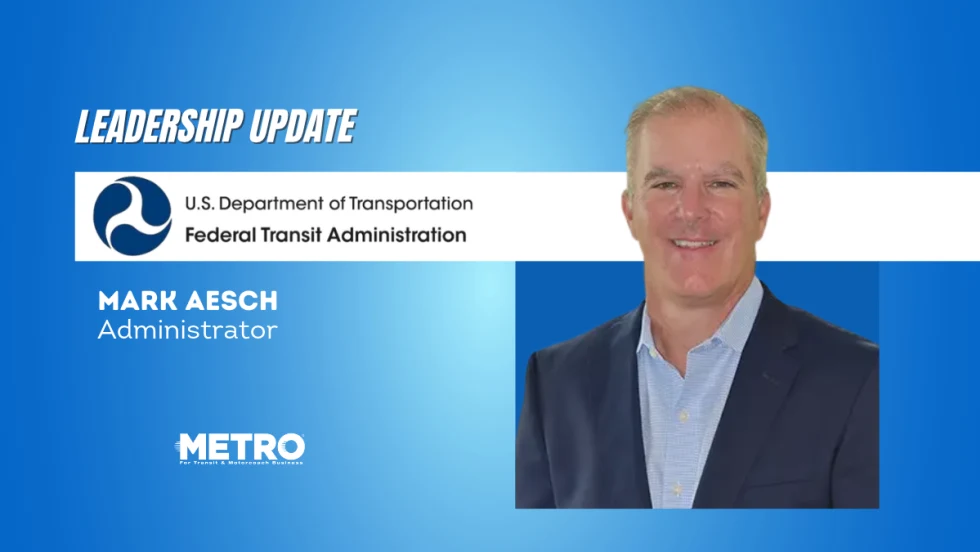
Mark Aesch Nominated to Lead Federal Transit Administration
The former Rochester transit chief and TransPro founder, who has also contributed to METRO Magazine, brings decades of industry experience and a focus on performance, accountability, and financial sustainability to the nomination.
Read More →
Pierce Transit Moves to Expand Fleet Following Proposition 1 Approval
The agency authorized the purchase or refurbishment of up to 60 buses to support a 47% service expansion, as voters nationwide approved billions in new transit funding.
Read More →
Transit Expands Agency Partnerships, Reaching 200 Official App Partners
COO Jake Sion discusses Transit’s growth, the success of its Transit Royale program, and how technology is helping agencies improve the rider experience.
Read More →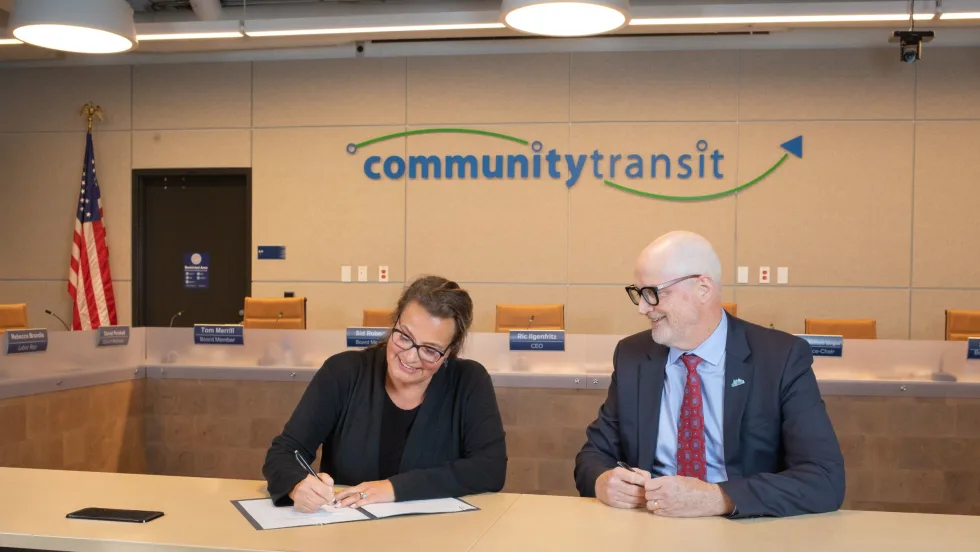
Everett Transit, Community Transit Approve Consolidation of Services
The agreement will bring Everett Transit into Community Transit’s network in April 2027, with plans to increase bus service by 50% by 2031 and expand regional connections.
Read More →
Brian Dickson on Building Stronger, More Resilient Transportation Organizations
Bus Business Consultants Founder Brian Dickson discusses the leadership principles, operational discipline, and strategic planning that separate transportation companies positioned for long-term success from those stuck in survival mode.
Read More →
LA Metro Breaks Ground on Vermont BRT Project
The 12.4-mile corridor is projected to serve 66,200 daily riders, reduce travel times by up to 24%, and create the nation's busiest bus rapid transit corridor.
Read More →
Roman Cornell on ABC Companies’ Evolution and the Future of Passenger Transportation
The company’s CEO discusses carrying forward a third-generation family legacy, ABC’s continued evolution in passenger transportation, support for increasingly complex fleets, and how technology and continued investment could help operators improve uptime.
Read More →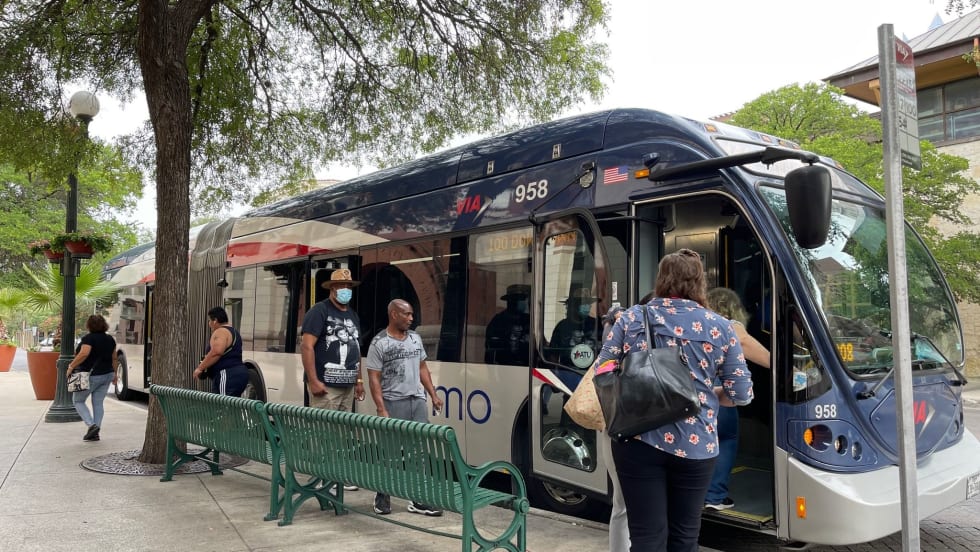
VIA Bus Ridership Grows 10.1% Through August 2026
San Antonio's VIA Metropolitan Transit reported the highest bus ridership growth among major Texas transit systems. Federal Transit Administration data ranked it second among the nation's 50 largest transit systems.
Read More →