




RELATED: Metra seeking RFPs for up to 42 new, rehabbed trains
Metra board approves fare pilot programs
The ideas were among recommendations that emerged from a fare policy study that began in 2016.
May 10, 2018
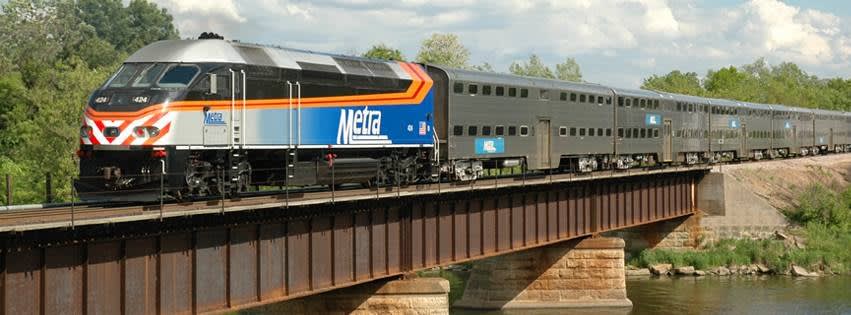
Via Metra
3 min to read
Via Metra
Chicago’s Metra Board of Directors agreed to test a new day pass, the consolidation of Metra’s outer zones, and the reassignment of certain stations to a closer zone as part of an effort to attract riders and simplify its fare structure. The ideas were among recommendations that emerged from a fare policy study that began in 2016.
The pilot programs will:
Introduce “Round Trip Plus,” a day pass for unlimited travel between any two zones, available only on the Ventra App, priced at twice the cost of a One-Way Ticket.
o The pass will increase customer convenience, simplify fare payment, save time and encourage use of the Ventra App.
o 75 percent of riders in a survey said they were likely or very likely to use such a product.
o Pilot will begin with the introduction of a new Ventra App in late summer.
Consolidate Zones K and M (there is no Zone L) into Zone J, thereby capping fares for trips that exceed 45 miles (about 1 percent of Metra riders come from those zones). This will consolidate four Zone K stations (Kenosha, Antioch, McHenry and Woodstock) and one Zone M station (Harvard) with five existing Zone J stations (Round Lake Beach, Lake Villa, Long Lake, Ingleside and Fox Lake).
o Consolidating Zones J, K, and M will cap the fares to stations in those zones and potentially mitigate ridership declines for trips that are currently the most expensive for riders from stations that have less service.
o Pilot will begin in July.
o About 110 additional round-trip riders per day will be needed to recover the estimated revenue impact of $380,000.
Reassign some stations to different zones to adjust perceived inconsistencies between lines where nearby stations are in different zones. Specifically, on the Metra Electric Blue Island Branch, move Ashland, Racine, West Pullman, Stewart Ridge, and State Street from Zone D to C. On the Metra Electric mainline, move 83rd Street and 87th Street from Zone C to B. On the Rock Island Beverly Branch, move 123rd Street from Zone D to C.
o Station reassignments will provide more similar fares for customers who board at Metra stations on different lines, but with similar distances to downtown, and may encourage more local use of these stations.
o Pilot will begin in July.
o About 60 additional round-trip riders per day will be needed to recover the estimated revenue impact of $120,000.
The pilot programs will be evaluated after a year to determine if they resulted in ridership gains and if the changes should remain in place. Other recommendations from the fare study, including off-peak pricing, are still being evaluated for possible future action.
The fare study effort started in the summer of 2016, when Metra hired California-based Four Nines Technologies to study Metra’s fare structure, determine opportunities for changes, and develop a model to help Metra evaluate the potential changes.
More Management
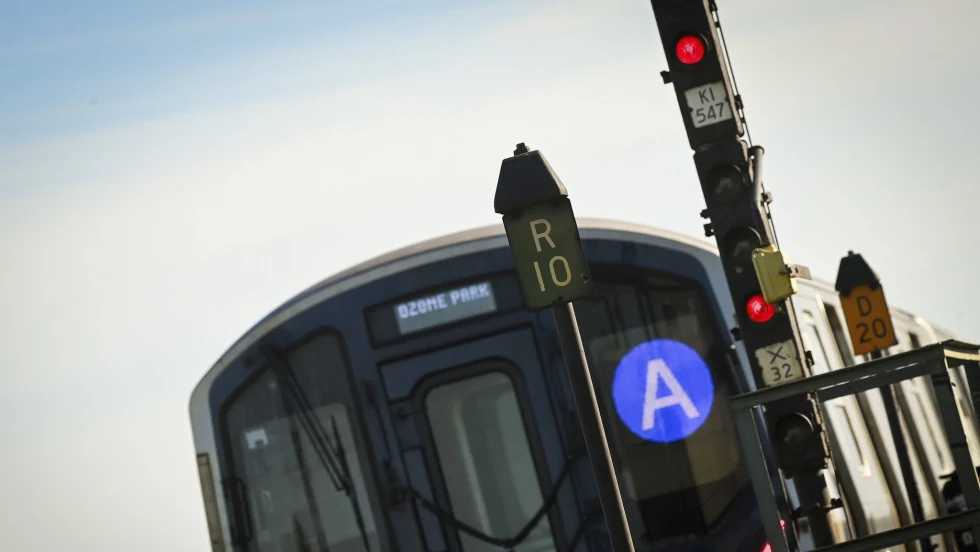
New York MTA Launches Historic $1.9B Signal, Track Modernization Project
Funded in part by congestion pricing revenue, the project will replace nearly century-old signals along the A and C lines in Brooklyn and Queens.
Read More →
Brian Dickson on Building Stronger, More Resilient Transportation Organizations
Bus Business Consultants Founder Brian Dickson discusses the leadership principles, operational discipline, and strategic planning that separate transportation companies positioned for long-term success from those stuck in survival mode.
Read More →
LA Metro Breaks Ground on Vermont BRT Project
The 12.4-mile corridor is projected to serve 66,200 daily riders, reduce travel times by up to 24%, and create the nation's busiest bus rapid transit corridor.
Read More →
Building Stronger Leaders, More Resilient Transit Teams
Dr. Carol Parker Walsh discusses leadership development, employee retention, workplace culture, and preparing transit’s workforce for AI and automation.
Read More →
Roman Cornell on ABC Companies’ Evolution and the Future of Passenger Transportation
The company’s CEO discusses carrying forward a third-generation family legacy, ABC’s continued evolution in passenger transportation, support for increasingly complex fleets, and how technology and continued investment could help operators improve uptime.
Read More →
CATS Launches West Charlotte Microtransit Zone, Expands Transit Services
The new microtransit zone connects residents to key destinations as Charlotte Area Transit System rolls out the first phase of its 2055 Transit System Plan.
Read More →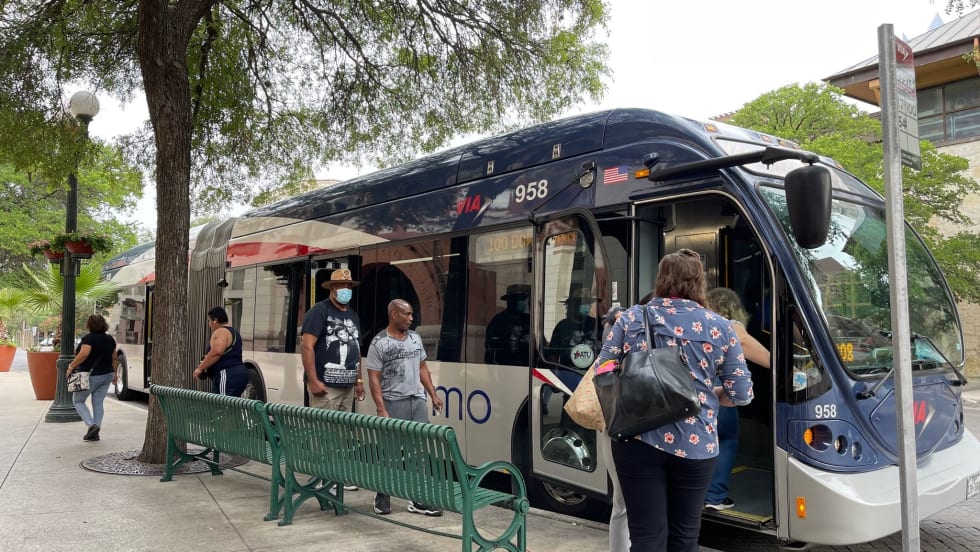
VIA Bus Ridership Grows 10.1% Through August 2026
San Antonio's VIA Metropolitan Transit reported the highest bus ridership growth among major Texas transit systems. Federal Transit Administration data ranked it second among the nation's 50 largest transit systems.
Read More →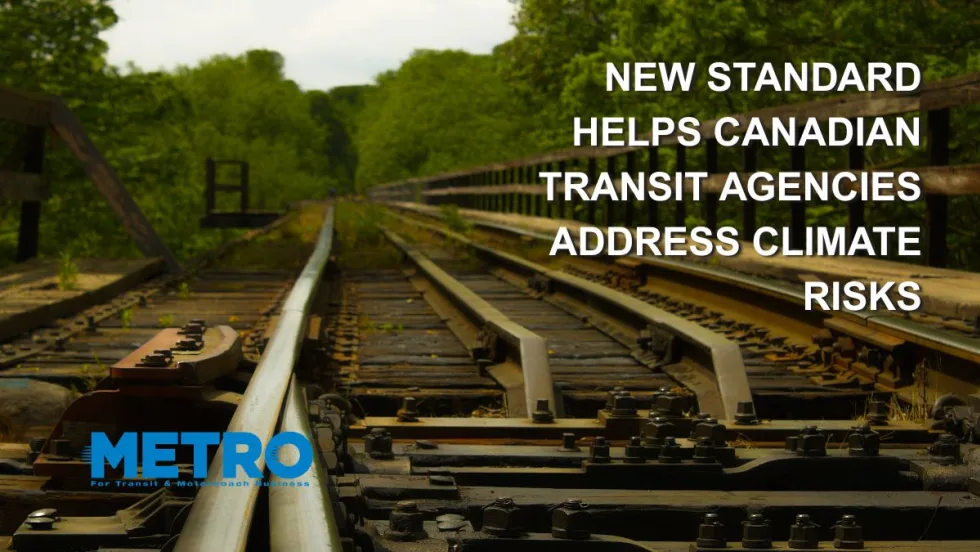
CSA Group Releases Climate Resilience Standard for Transit, Passenger Rail
Developed with support from the Standards Council of Canada, CSA D700 guides assessing climate-related risks and planning adaptation measures for transit and passenger rail systems.
Read More →
ETA CEO John Maglio on Transit Technology, Innovation, and Building Agency Trust
ETA founder and CEO John Maglio explores the evolution of transit technology, the importance of reliable systems, and how stronger partnerships can help agencies improve operations and the passenger experience.
Read More →
COTA Launches First Customer Experience Action Plan to Improve Transit Service
The new plan outlines improvements to service reliability, accessibility, communication, and the overall rider experience across Central Ohio's transit system.
Read More →