



Metro-North completes fed-mandated signal system changes
With the announced completion of work at the Devon Bridge in Stratford, Conn., last Thursday all the signal modifications ordered by the FRA in December are now complete, well before the Sept. 1, 2014 deadline.

The Metropolitan Transportation Authority’s (MTA) Metro-North Railroad completed permanent changes to its signal system to ensure automatic speed enforcement at five critical curves and five moveable bridges in New York and Connecticut, more than five months ahead of schedule.
With the announced completion of work at the Devon Bridge in Stratford, Conn., last Thursday all the signal modifications ordered by the Federal Railroad Administration (FRA) in December are now complete, well before the Sept. 1, 2014 FRA deadline.
“The complete implementation of the requirements of the FRA’s Emergency Order 29, issued on December 8, 2013, brings us another step closer to a safer railroad, which is our number one goal,” said Metro-North President Joseph Giulietti. “We will continue to take all necessary steps to restore Metro-North to greatness.”
Signal engineers first designed modifications to the circuitry at each location by calculating where and when speed limits should be reduced. Then signal maintainers had to reconfigure wiring along the tracks that sends the signal to the train to control its speed. Extensive testing was then performed to confirm that the changes were working as designed.
The signal display observed by train engineers in their cabs will now automatically indicate reduced allowable speeds on the approaches to these 10 locations. If the engineer does not reduce the train's speed accordingly, the train will automatically come to a stop.
Metro-North Signal forces began work on changes to the automatic train control system at Spuyten Duyvil just days after the fatal derailment and completed the modifications there on the same day the FRA order was issued.
Signal system modifications for the remaining four curves at Yonkers, White Plains, Bridgeport and Port Chester were all completed by February 8, ahead of the FRA March 1 target.
Work then shifted to the five moveable bridges on the New Haven Line at Cos Cob, South Norwalk, Westport, Bridgeport and Milford in Connecticut. The “Peck” Bridge in Bridgeport was completed first in January, and the fifth and final bridge at Devon was completed March 20, 2014.
The project was completed using Metro-North’s own Signal Design and Construction forces.
More Management
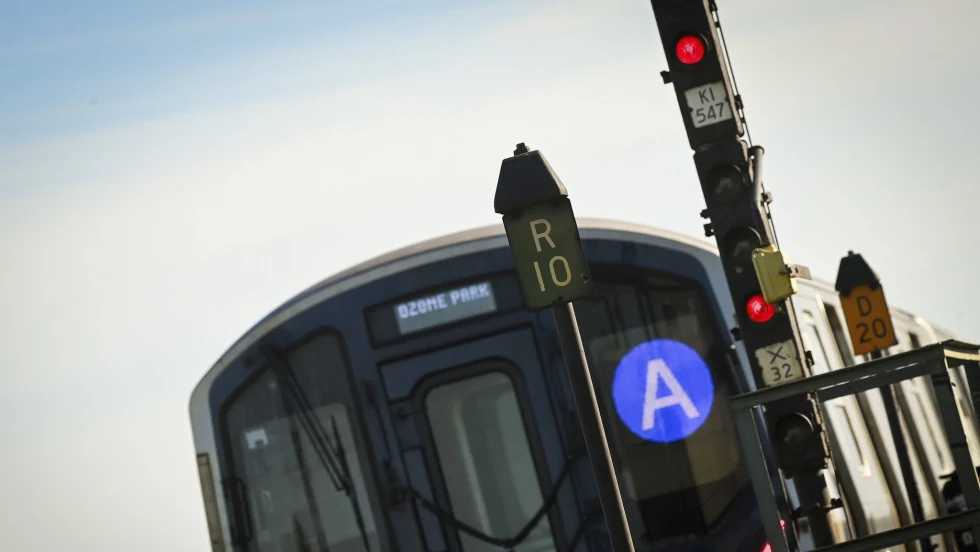
New York MTA Launches Historic $1.9B Signal, Track Modernization Project
Funded in part by congestion pricing revenue, the project will replace nearly century-old signals along the A and C lines in Brooklyn and Queens.
Read More →
Brian Dickson on Building Stronger, More Resilient Transportation Organizations
Bus Business Consultants Founder Brian Dickson discusses the leadership principles, operational discipline, and strategic planning that separate transportation companies positioned for long-term success from those stuck in survival mode.
Read More →
LA Metro Breaks Ground on Vermont BRT Project
The 12.4-mile corridor is projected to serve 66,200 daily riders, reduce travel times by up to 24%, and create the nation's busiest bus rapid transit corridor.
Read More →
Building Stronger Leaders, More Resilient Transit Teams
Dr. Carol Parker Walsh discusses leadership development, employee retention, workplace culture, and preparing transit’s workforce for AI and automation.
Read More →
Roman Cornell on ABC Companies’ Evolution and the Future of Passenger Transportation
The company’s CEO discusses carrying forward a third-generation family legacy, ABC’s continued evolution in passenger transportation, support for increasingly complex fleets, and how technology and continued investment could help operators improve uptime.
Read More →
CATS Launches West Charlotte Microtransit Zone, Expands Transit Services
The new microtransit zone connects residents to key destinations as Charlotte Area Transit System rolls out the first phase of its 2055 Transit System Plan.
Read More →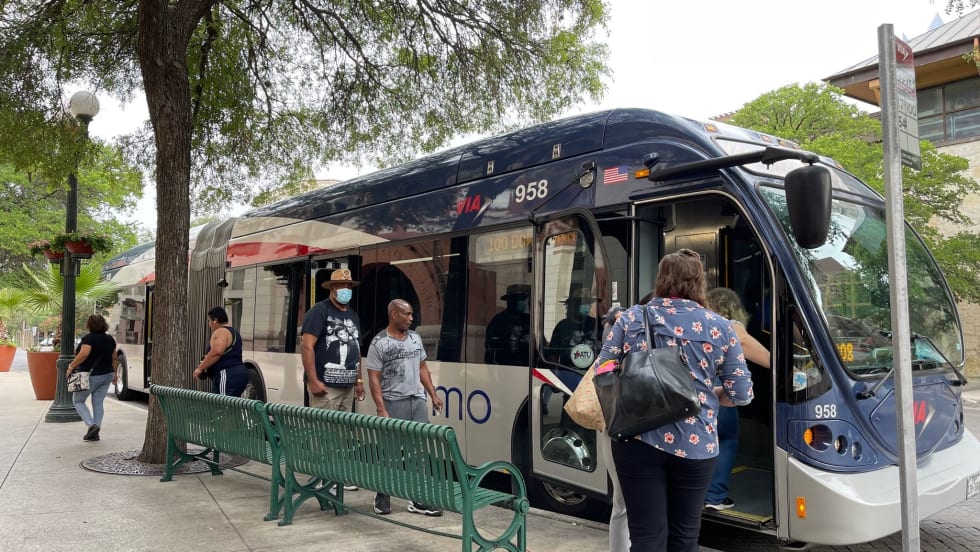
VIA Bus Ridership Grows 10.1% Through August 2026
San Antonio's VIA Metropolitan Transit reported the highest bus ridership growth among major Texas transit systems. Federal Transit Administration data ranked it second among the nation's 50 largest transit systems.
Read More →
CSA Group Releases Climate Resilience Standard for Transit, Passenger Rail
Developed with support from the Standards Council of Canada, CSA D700 guides assessing climate-related risks and planning adaptation measures for transit and passenger rail systems.
Read More →
ETA CEO John Maglio on Transit Technology, Innovation, and Building Agency Trust
ETA founder and CEO John Maglio explores the evolution of transit technology, the importance of reliable systems, and how stronger partnerships can help agencies improve operations and the passenger experience.
Read More →
COTA Launches First Customer Experience Action Plan to Improve Transit Service
The new plan outlines improvements to service reliability, accessibility, communication, and the overall rider experience across Central Ohio's transit system.
Read More →