



Metrolink Teams to Pilot Earthquake Early Warning System to Enhance Rail Safety
Metrolink Announces New Executive Leadership Team Appointments
The appointments follow Darren Kettle’s selection as CEO of the region’s passenger rail service in September 2021.
by Staff
February 25, 2022
Metrolink is southern California's regional passenger rail service that connects people, communities, and businesses.
Photo: Metrolink
3 min to read
Metrolink CEO Darren Kettle announced the appointments of Don Filippi as COO and Arnold Hackett as CFO, and the addition of Paul Hubler as CSO.
The appointments follow Kettle’s selection as CEO of the region’s passenger rail service in September 2021.
“We have ambitious plans to transform Metrolink into the backbone of the region’s transportation system — one that enables people to connect to opportunity, family and fun across all six counties,” Kettle said. “Achieving our vision as we emerge from the pandemic will require a strong leadership team that brings both focus and innovation. We are thrilled with Don’s and Arnold’s vital contributions to the team from their previous interim roles and look forward to the fresh perspectives, ideas and connections that Paul will bring as he joins our dynamic team.”
As the interim Metrolink COO since February 2021, Filippi has led the operations team through the COVID-19 pandemic. Those challenges included ensuring the continuity of operations, implementing enhanced cleaning and sanitizing practices, and optimizing train schedules to meet the evolving needs of essential workers.
Filippi brings nearly 27 years of freight and passenger rail experience from both the public and private sectors, and a background in safety and operations. Before assuming the interim chief operations role, he was overseeing Metrolink’s safety, security, and compliance program since December 2018.
Filippi joined Metrolink in 2018 from the North County Transit District (NCTD), where he served as COO and CSO. Prior to NCTD, Filippi served for five years at the California Public Utilities Commission, rising to the position of superintendent, rail transit safety section, and 14 years with Union Pacific Railroad, where he served as a switchman, a locomotive engineer, and ultimately rose to a manager of operating practices.
Hackett joined the agency as a technology consultant in May 2019. He is credited with implementing process and policy enhancements that improved Metrolink’s financials and transparency. In May 2021, Hackett was selected by the Metrolink Board of Directors as its interim CEO following the departure of Stephanie Wiggins. When Kettle assumed the CEO position in September 2021, Hackett was tapped as interim CSO.
Hackett has more than 30 years of experience in the private technology industry at the Xerox Corporation where he served as VP and GM of Alliance and Partnership Management. He holds a Bachelor of Science from UCLA, a Master of Science in computer science from California State University, Long Beach, and an MBA from the University of Southern California.
Hubler will join Metrolink on Feb. 28 as the CSO, providing executive oversight and leadership for planning, government and community relations, sustainability initiatives and railroad services. Hubler has more than 25 years of experience in transportation policy and legislative and public affairs.
Prior to joining Metrolink, Hubler was the director of government and community relations for the San Gabriel Valley Council of Governments for 14 years, responsible for securing grant funding for the Alameda Corridor-East rail infrastructure construction program in Los Angeles County.
More Management

Bringing Austin’s First Light Rail System to Life
Austin Transit Partnership CEO Greg Canally discusses the city's nearly 10-mile light rail project, its collaborative approach to project delivery, the importance of community engagement, and the milestones ahead as construction approaches in 2027.
Read More →
ETA CEO John Maglio on Transit Technology, Innovation, and Building Agency Trust
ETA founder and CEO John Maglio explores the evolution of transit technology, the importance of reliable systems, and how stronger partnerships can help agencies improve operations and the passenger experience.
Read More →
Metra Draft Plan Outlines Costs, Service Improvements for Regional Rail
The Systemwide Network Plan identifies infrastructure needs and potential investments to expand all-day, bidirectional rail service across the Chicago region.
Read More →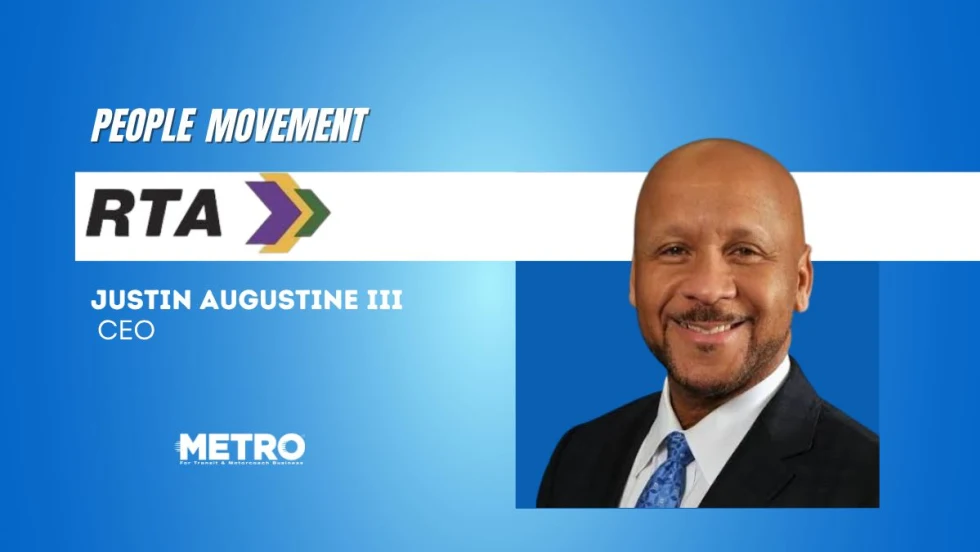
New Orleans RTA Names Augustine III as New CEO
In this edition, we also spotlight recent personnel moves at HDR, PATH, STV, and more, highlighting the people taking on new roles across the transportation industry.
Read More →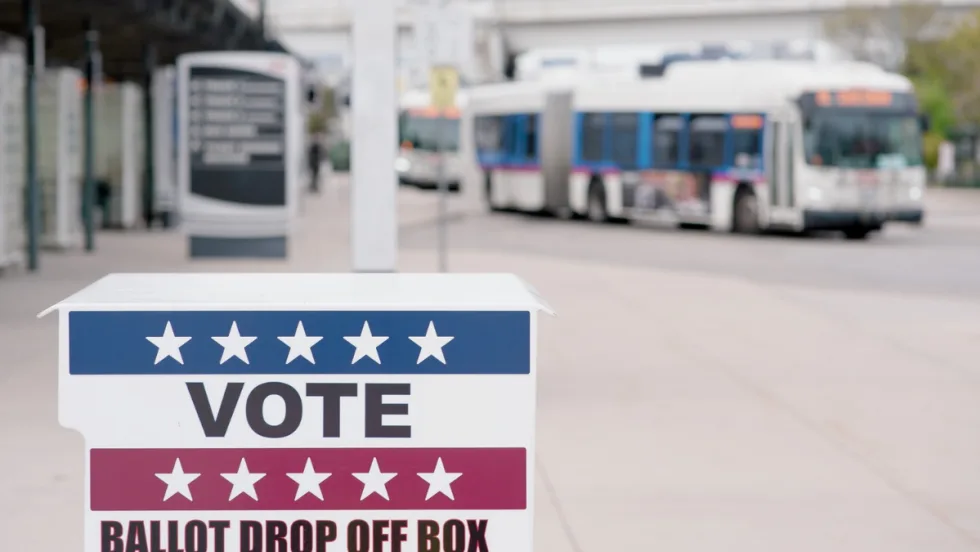
How Transit Agencies Are Using Free Rides to Improve Voting Access
Transit agencies are using fare-free service, trip-planning tools, and targeted rides to improve voting access. See what other agencies can learn from these efforts.
Read More →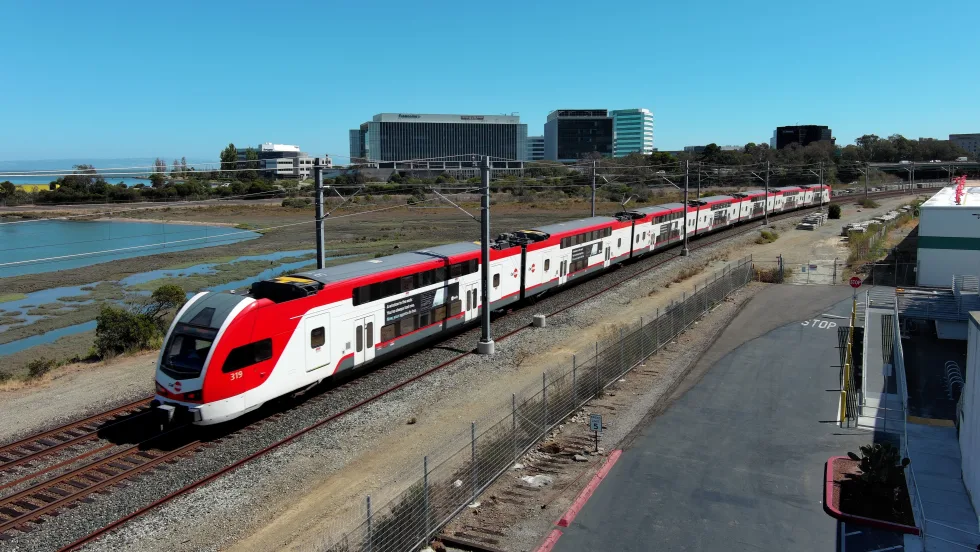
Caltrain’s Electrification Drives a New Era of Ridership Growth
The railroad’s shift to electric service has brought more frequent trains, stronger customer satisfaction, and increased ridership, earning it APTA’s Outstanding Public Transportation System award.
Read More →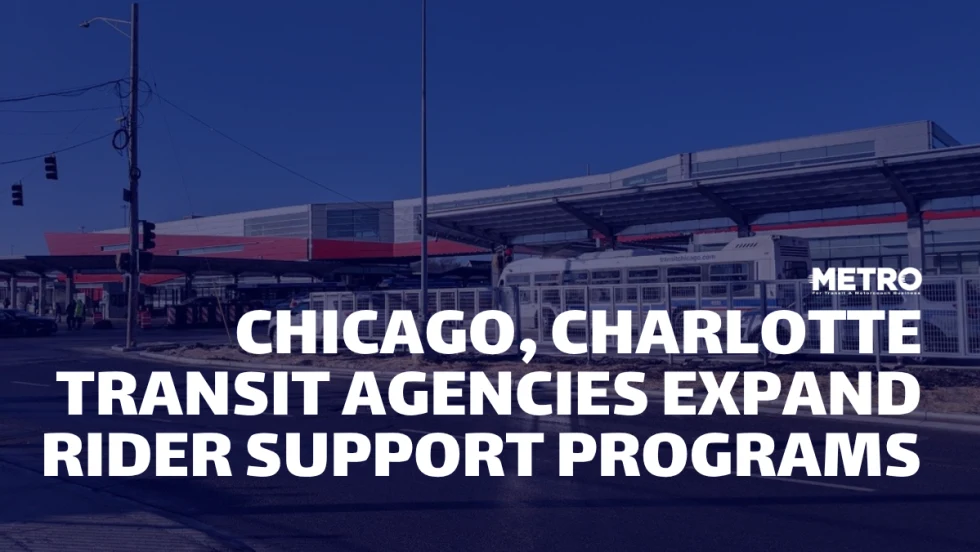
Chicago, Charlotte Transit Agencies Expand Rider Support Programs
CTA launched crisis intervention teams as CATS prepares to deploy fare ambassadors, expanding customer assistance and security efforts across both systems.
Read More →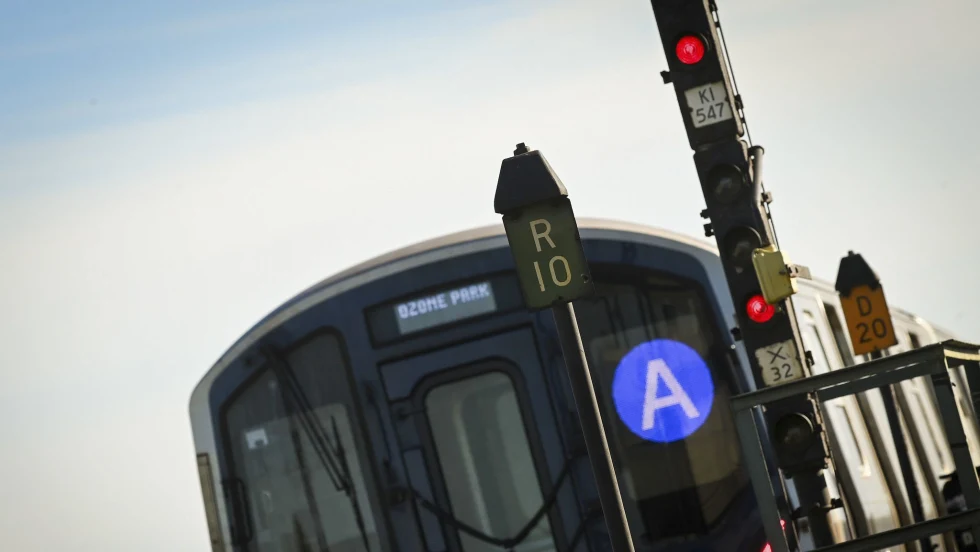
New York MTA Launches Historic $1.9B Signal, Track Modernization Project
Funded in part by congestion pricing revenue, the project will replace nearly century-old signals along the A and C lines in Brooklyn and Queens.
Read More →
Brian Dickson on Building Stronger, More Resilient Transportation Organizations
Bus Business Consultants Founder Brian Dickson discusses the leadership principles, operational discipline, and strategic planning that separate transportation companies positioned for long-term success from those stuck in survival mode.
Read More →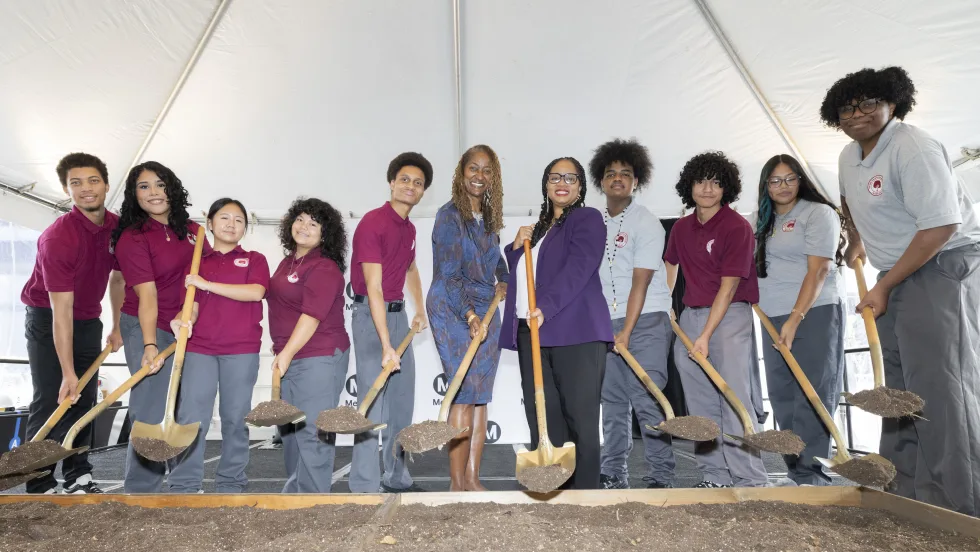
LA Metro Breaks Ground on Vermont BRT Project
The 12.4-mile corridor is projected to serve 66,200 daily riders, reduce travel times by up to 24%, and create the nation's busiest bus rapid transit corridor.
Read More →