




Read More: MTI Explores Ways to Improve Public Transit
MTI Report Reveals Terrorists’ Choice of Weapon in Public Transit Attacks
The MTI’s latest report examines the way bombs were used in 3,836 attacks on passenger train and train stations, buses, and bus stations and stops.
November 16, 2023

The MTI report shows the attackers almost always used bombs alone, but sometimes also in combination with other weapons, such as firearms.
Photo: Canva
2 min to read
Bombs have been terrorists’ choice of weapon in more than half of the attacks on public surface transportation around the world since 2004, according to the Mineta Transportation Institute’s news release.
They have also caused more than 60% of the resulting fatalities and more than three-quarters of the injuries.
In the third of a series of studies on the frequency and lethality of such attacks between January 2004 and December 2021, the MTI’s latest report, "The Use of Explosive Devices in Attacks on Public Surface Transportation: Trends in Frequency, Lethality, and Prevention," examines the way bombs were used in 3,836 attacks on passenger train and train stations, buses, bus stations and stops, passenger ferries and terminals, rail infrastructure, and operating and security staff.
The attackers almost always used bombs alone, but sometimes also in combination with other weapons, such as firearms.
The attacks killed 7,412 people and injured 21,847, an average of 1.9 fatalities and 5.7 injuries per attack. Notably, bombs are also more likely to be used in attacks in developing countries than in more economically advanced countries.
Perspective from Report's Authors
“While the percentage of bomb attacks globally has decreased, we found that lethality has increased, particularly in economically advanced countries, where suicide bombings are the most lethal bomb attacks," said author Brian Jenkins. "Most frequently, bombs were placed inside bus or train compartments, on railway tracks, or inside train stations. The bombs in stations and compartments resulted in the most casualties. However, the majority of attacks in economically advanced countries are unsuccessful, with devices discovered, malfunctioning, or failing to detonate. Despite the decrease in attacks, bombs do remain very lethal—particularly in confined spaces."
The report shows that bombers had greater success in other countries, with vehicle-borne explosive devices (VBIEDs) being the most lethal in developing countries, followed by suicide attackers carrying bombs.
Co-author Bruce Butterworth said this may be because explosives are easier to acquire in less developed countries or detection and prevention by authorities are weaker.
“Worldwide, successful bombings have declined. More bombs are being detected before detonation, particularly in the advanced countries, although the identity of most of the individuals who have found bombs and stopped attacks is unknown," he said. "Of those who foiled attacks in those countries and whose identities are known, 40% were passengers, citizens, or employees, while the percentage in the less-developed countries was only 21%. The proportions in the two country groups were reversed for security, police, and military officials."
MTI added that, worldwide, bombs placed in railway tracks are not very lethal, as they are usually intended to cause disruption.
More Security and Safety

Transit Agencies Highlight Safety Gains at National Summit
Leaders from 15 major transit systems shared crime-reduction results and safety initiatives while discussing the role of continued federal support.
Read More →
DART Launches Major Security, Fare Enforcement Initiative
The 90-day demonstration will deploy coordinated security teams at five light rail stations while testing controlled access and gathering data to guide future investments.
Read More →
RTD Launches NextRide App to Consolidate Trip Planning, Fares, Security Reporting
The app expands on RTD’s existing NextRide web application and allows customers to view real-time vehicle locations and service alerts, purchase and store digital fares, and access customer support.
Read More →

TAPTCO Updates OSHA Compliance Training for Transit Maintenance Operations
The revamped program addresses 26 OSHA standards for maintenance facilities, with TAPTCO pointing to training, documentation, and everyday shop hazards as continuing challenges for transit operations.
Read More →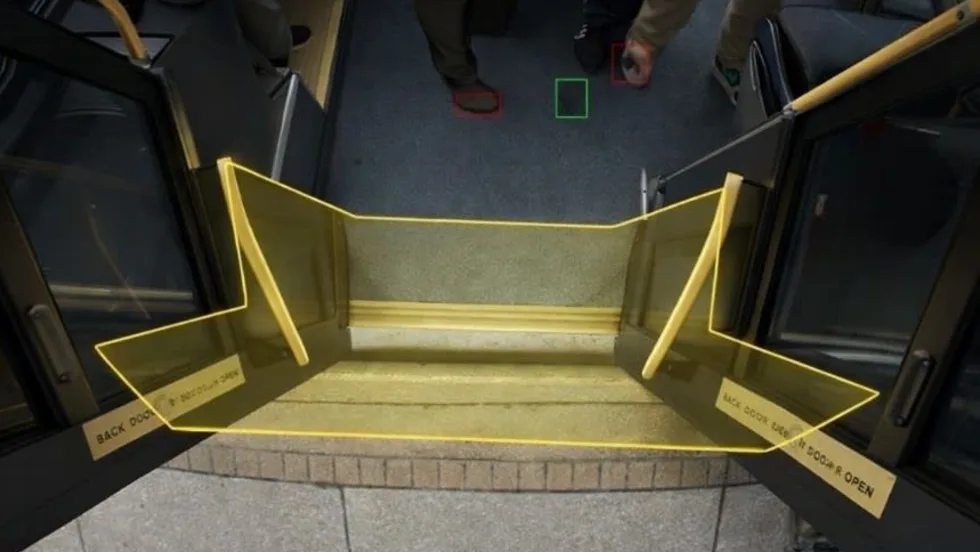
Sponsored•August 18, 2026
How VaporVision Adds Value to Transit Door Systems
Wabtec engineers explain how the system improves doorway detection, strengthens diagnostics and gives transit agencies and OEMs greater operating flexibility.
Read More →
FRA Announces $5.3B in Rail Investments, Including $2B for Amtrak
Funding will support grade-crossing improvements, infrastructure upgrades, and new Amtrak equipment in 23 states.
Read More →
Chicago, Maryland Expand Non-Law-Enforcement Safety, Rider Support
The CTA and MTA are launching new programs aimed at de-escalation, crisis response, rider assistance, and greater transparency.
Read More →
LA Metro, City of West Hollywood, and Partners Advance Smarter Bus Lane Enforcement
The award-winning partnership combines AI-powered detection with human oversight to improve bus reliability, accessibility, and enforcement efficiency.
Read More →
LA Metro Reports 57% Decline in Homelessness on Transit System Since 2024
The agency's latest homelessness count offers new data on how care-based services and cross-sector partnerships can complement traditional transit security strategies.
Read More →
FTA Launches 'Transit Moves America' Dashboard to Highlight Agency Safety and Performance
The online dashboard transforms National Transit Database information into a public-facing resource that allows users to compare transit agencies on key operational and safety metrics.
Read More →