




New in Tech: CALSTART Launches Zero-Emission Technology Tool
New Analysis Shows How Mexico Can Meet Zero-Emission Demands
The report takes into consideration existing market conditions, barriers, opportunities, and sales data for the Mexican MHDV market.
January 20, 2023

The ZE-MHDV targets analyzed in the new report have already been adopted by 27 countries.
Photo: Canva
3 min to read
A new analysis by CALSTART found that Mexico could achieve significant climate emission reductions by strategically accelerating zero-emission transport, according to the company's news release.
"Technology and Commercialization Pathways for Zero-Emission Medium- and Heavy-Duty Vehicles in Mexico" analyzes the technical feasibility of the country achieving 30% new zero-emission medium- and heavy-duty (ZE-MHDV) truck and bus sales by 2030 and 100% new ZE-MHDV sales by 2040.
The report takes into consideration existing market conditions, barriers, opportunities, and sales data for the Mexican MHDV market.
Findings from the analysis include:
Mexico can achieve 36% new zero-emission medium- and heavy-duty vehicle sales by 2030 if it sets ambitious policy goals and creates a supportive ecosystem for accelerating zero-emission transport.
Based on market conditions, five out of the six truck and bus categories analyzed could reach between 94% and 100% zero-emission sales by 2040 in Mexico.
If the proposed targets are achieved, Mexico could prevent the consumption of close to 60,000 million gallons of diesel fuel by 2050. The annual greenhouse gas (GHG) emissions avoided from reducing this diesel consumption would be the equivalent of removing more than 13 million passenger cars by 2050.
The cost of electric vehicles and charging infrastructure is the most-cited barrier to limiting zero-emission truck and bus adoption in Mexico. However, multiple studies have shown that the total cost of ownership parity with diesel will be achieved before 2030, and much sooner in segments like transit buses and cargo vans. An ICCT case study of Mexico’s BRT system Metrobús showed that in 2022 battery-electric vehicles were already 21% cheaper than diesel if operated over 10 years.
Fleets in Mexico are showing a growing demand for ZE-MHDVs, with purchase orders exceeding 1,690 vehicles across all segments in 2022.
“Mexico has one of the largest networks of publicly available charging stations in Latin America, the country has favorable import and sales tax rules for zero-emission vehicles, and fleets are signaling strong interest in zero-emission trucks — but much more must be done,” said Jessica Olson, VP of Policy for CALSTART. “A clear and ambitious policy framework for accelerating zero-emission trucks and buses will significantly reduce Mexico’s growing transport emissions.”
The ZE-MHDV targets analyzed in the new report have already been adopted by 27 countries under the Global Memorandum of Understanding on Zero-Emission Medium- and Heavy-Duty Vehicles (Global MOU). Global MOU signatories agree to set a goal of at least 30% new ZE-MHDV sales by 2030 and 100% new ZE-MHDV sales by 2040.
“As the seventh largest vehicle manufacturer and the largest truck exporter in the world, transport is deeply embedded with Mexico’s economic growth,” said CALSTART’s Ricardo García Coyne. “By setting strategic goals and taking action now, Mexico can dramatically shift its transportation sector toward zero-emission technologies. Doing so would mitigate the risk of strong economic downturns for the Mexican automotive industry, while also cutting dangerous diesel emissions that harm its environment and people.”
More Zero Emissions
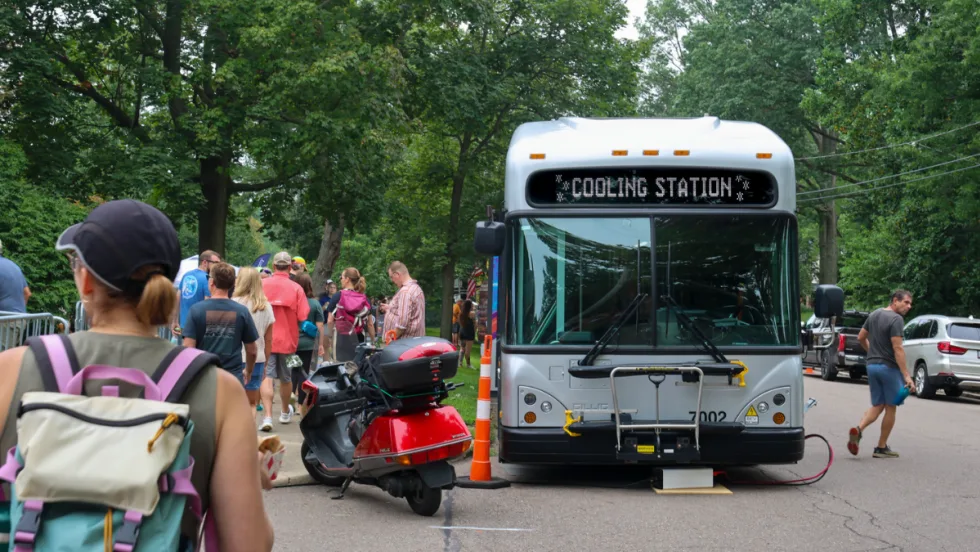
Ohio’s METRO RTA Turns Electric Buses into Mobile Power Sources at PorchROKR
See how three Gillig battery-electric buses powered festival stages while the agency’s new Park & Ride service carried approximately 1,000 attendees, demonstrating another potential use for transit agencies’ electric fleets.
Read More →
CALSTART and Forth Combine to Form Catalyst Mobility
The new name represents a renewed vision for the nonprofit focused on advancing clean, equitable, and affordable transportation solutions that move people and goods.
Read More →
Building a Flexible Path to Transit Electrification
John Hroncich discusses BAE Systems’ modular and scalable approach, lessons learned from decades of real-world operations, and how agencies can identify electrification strategies that fit their fleets.
Read More →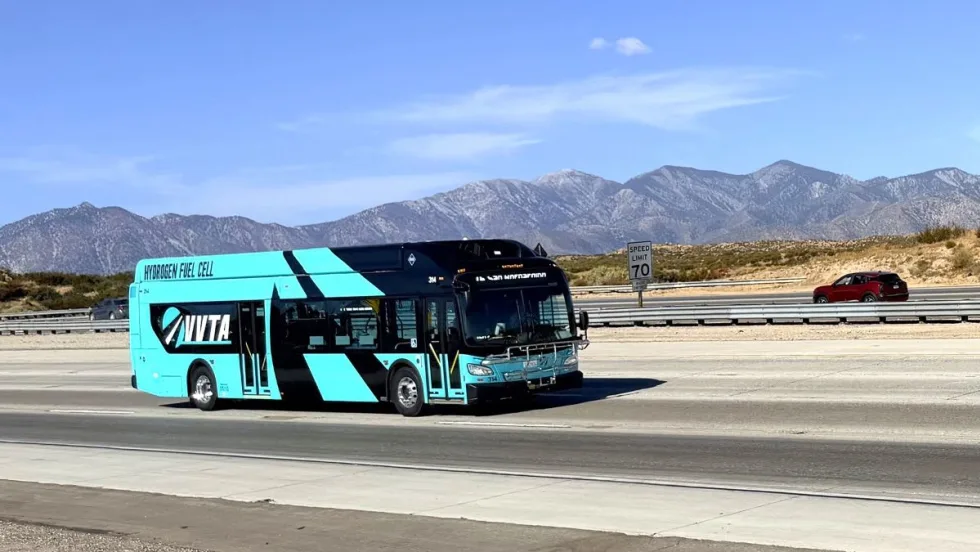
California's VVTA Begins Phased Rollout of Hydrogen Fuel Cell Buses
The agency is introducing 13 zero-emission buses into revenue service while evaluating performance across its urban, rural, and long-distance routes.
Read More →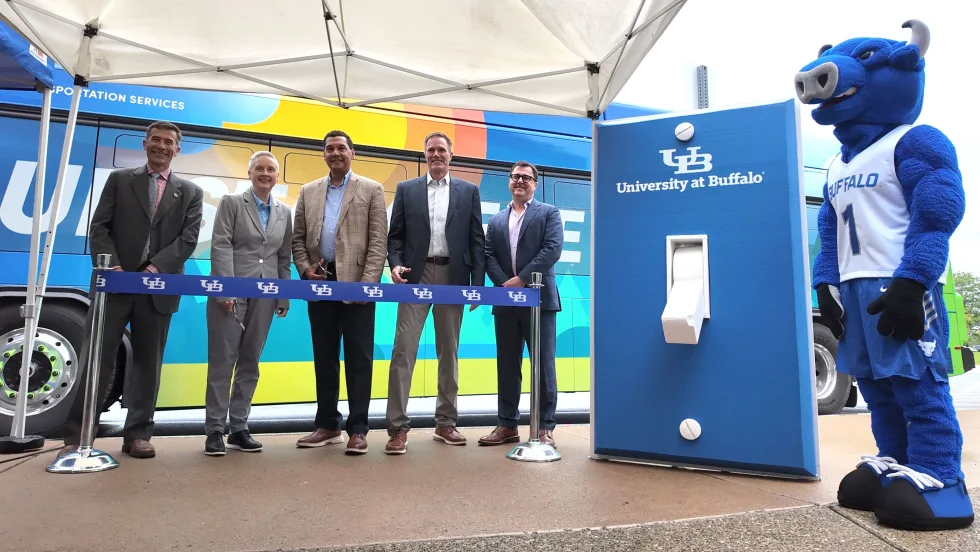
Inside Look: University at Buffalo Puts First 8 Electric Buses Into Stampede Service
UB, transportation solutions provider WeDriveU, and fleet electrification specialist Zenobē marked the deployment in the presence of students, university administrators, and local officials.
Read More →
Biz Briefs: OCTA Taps Clean Energy for Hydrogen Station, Stadler to Supply Via Rail Vehicles, and More
From manufacturers and suppliers to transit agencies and motorcoach operators, these updates offer a snapshot of the projects, partnerships and business moves driving the industry forward.
Read More →
AC Transit’s Cecil Blandon on Building the Next Generation of Transit Maintenance Leaders
The agency’s maintenance chief discusses leadership, workforce development, zero-emission technology, and preparing technicians for the future of public transportation.
Read More →
CTDOT Taps STV for Electric Bus Facility Design
The firm will work with CTDOT and RVT to define the facility layout, operational requirements, and long-term flexibility for RVT’s growing electric fleet.
Read More →
Chicago’s Pace Deploys 24 Hybrid-Electric Buses in Will County
The new buses reduce emissions and fuel consumption while advancing the agency's long-term goal of transitioning to a fully zero-emission fleet.
Read More →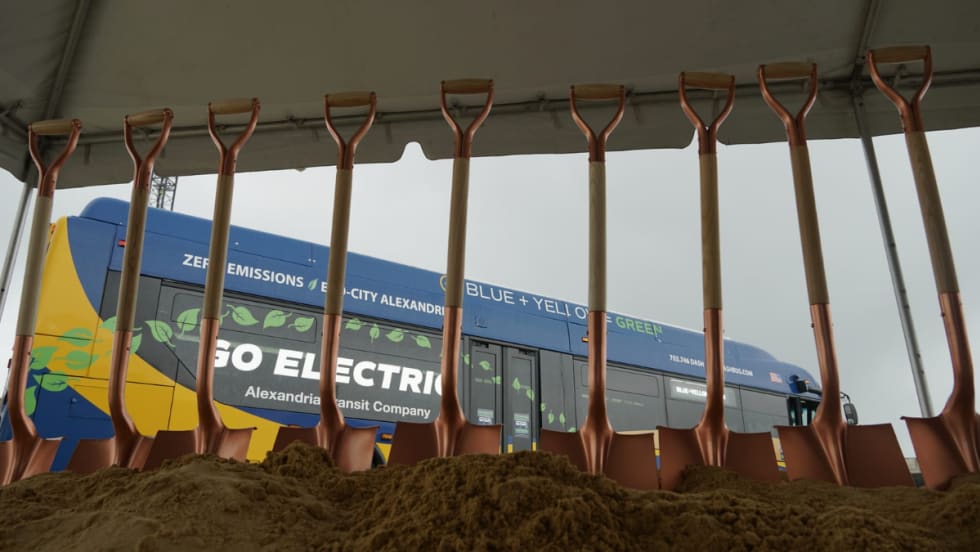
DASH Breaks Ground on First On-Route Electric Bus Chargers in D.C. Region
The fast-charging infrastructure will help extend electric bus range, improve fleet utilization, and support DASH's goal of transitioning to a fully zero-emission fleet.
Read More →