



New York City Subway Crime at Lowest Level in Years
Accounting for increases in ridership, there have been 1.65 major crimes per million riders in 2025, down roughly 30% from 2021 and comparable to pre-pandemic lows.

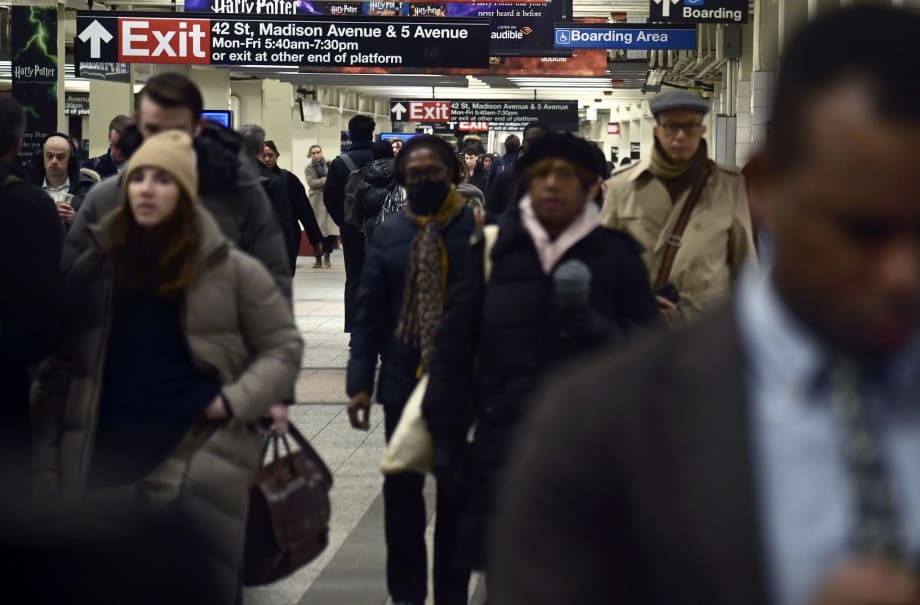
In 2022, Gov. Hochul and Mayor Eric Adams announced a shared commitment to keep subway riders safe, and in each of the following four years, the crime rate per rider has declined.
Photo: Marc A. Hermann
The New York City Subway is on track for its safest year in a generation, New York Governor Kathy Hochul announced.
With two weeks left in 2025, subway crime is at the lowest level in 16 years: overall major crime in the transit system is down 5.2% from 2024 and 14.4% from 2019. Accounting for increases in ridership, there have been 1.65 major crimes per million riders in 2025, down roughly 30% from 2021 and comparable to pre-pandemic lows.
In 2022, Gov. Hochul and Mayor Eric Adams announced a shared commitment to keep subway riders safe, and in each of the following four years, the crime rate per rider has declined. This year, the crime rate is on pace to be the second-safest non-pandemic year in the subway system's recorded history, eclipsed only by 2009.
Safety Leading to Ridership
The historic reduction in crime comes as subway ridership continues to climb.
On Thursday, December 11, the subway broke its post-pandemic ridership record for the third time in two weeks, with 4.654 million customers. Subway ridership is up nearly 8% this year, with over 1.2 billion rides taken to date.
Gov. Hochul also announced she is committed to further safety investments in 2026, including an additional $77 million for enhanced NYPD subway patrols.
“Crime is down, and ridership is up on subways thanks to major investments to keep New Yorkers safe and run better, more reliable transit,” Governor Hochul said. “By supporting transformational safety and mental health programs and upgrading transit service and infrastructure, we’re making our subways safer for millions of daily riders and tens of thousands of transit workers.”
Working to Lower Crime
Transit crime declined considerably in 2025, thanks to the work of the NYPD, MTA Police Department, and other partners, Gov. Hochul said.
This summer, MTA officials report that crime was down nearly 11% from 2024 levels, while felony assaults decreased significantly in the second half of 2025, with the assault incident rate down 16% from 2024. In November, assaults were down 25% compared to the same month last year.
This significant crime reduction follows a historic state investment to support the NYPD's efforts to improve subway safety.
Earlier this year, Gov. Hochul allocated $77 million to support a first-of-its-kind collaboration with the NYPD to increase police presence in the subway, including deploying officers on trains overnight.
To build on this success, the governor also announced that New York State will commit an additional $77 million for enhanced subway patrols in 2026. This funding will support the deployment of NYPD officers in the subway system in areas of greatest need and largest impact.
Additional investments in transit safety made under Gov. Hochul’s leadership include:
$20 million to fully fund 10 Subway Co-Response Outreach (SCOUT) teams to provide a clinician-first response to severe mental illness in the subway.
32,000 security cameras in the New York City Subway system, including over 17,000 on all 6,000 subway cars at Governor Hochul’s direction and over 15,000 in stations.
New platform barriers were installed at 115 subway stations, with the MTA exceeding its goal of 100 made in Governor Hochul’s 2025 State of the State.
Brighter and safer LED lights in over 450 subway stations, on pace for all 472 by the end of 2025.
More Security and Safety

Transit Agencies Highlight Safety Gains at National Summit
Leaders from 15 major transit systems shared crime-reduction results and safety initiatives while discussing the role of continued federal support.
Read More →
DART Launches Major Security, Fare Enforcement Initiative
The 90-day demonstration will deploy coordinated security teams at five light rail stations while testing controlled access and gathering data to guide future investments.
Read More →
RTD Launches NextRide App to Consolidate Trip Planning, Fares, Security Reporting
The app expands on RTD’s existing NextRide web application and allows customers to view real-time vehicle locations and service alerts, purchase and store digital fares, and access customer support.
Read More →

TAPTCO Updates OSHA Compliance Training for Transit Maintenance Operations
The revamped program addresses 26 OSHA standards for maintenance facilities, with TAPTCO pointing to training, documentation, and everyday shop hazards as continuing challenges for transit operations.
Read More →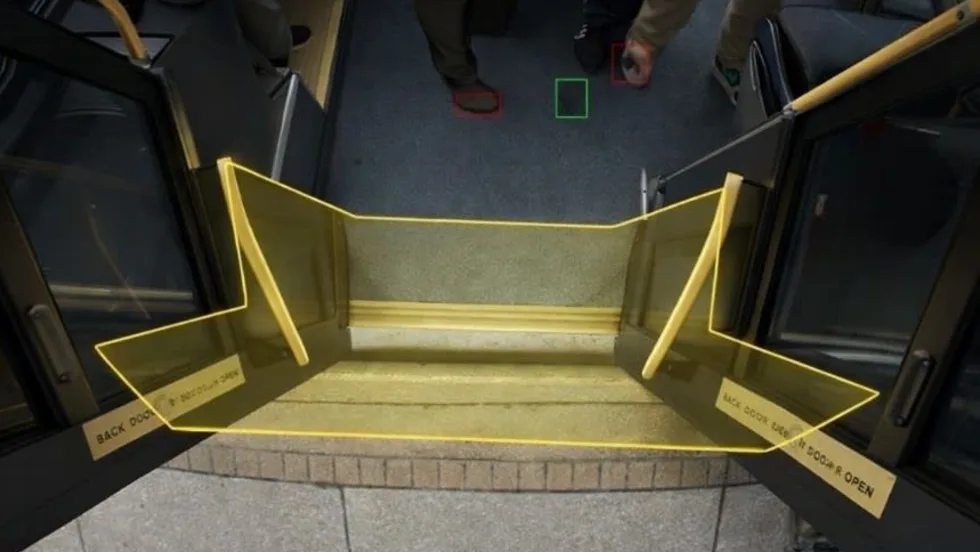
How VaporVision Adds Value to Transit Door Systems
Wabtec engineers explain how the system improves doorway detection, strengthens diagnostics and gives transit agencies and OEMs greater operating flexibility.
Read More →
FRA Announces $5.3B in Rail Investments, Including $2B for Amtrak
Funding will support grade-crossing improvements, infrastructure upgrades, and new Amtrak equipment in 23 states.
Read More →
Chicago, Maryland Expand Non-Law-Enforcement Safety, Rider Support
The CTA and MTA are launching new programs aimed at de-escalation, crisis response, rider assistance, and greater transparency.
Read More →
LA Metro, City of West Hollywood, and Partners Advance Smarter Bus Lane Enforcement
The award-winning partnership combines AI-powered detection with human oversight to improve bus reliability, accessibility, and enforcement efficiency.
Read More →
LA Metro Reports 57% Decline in Homelessness on Transit System Since 2024
The agency's latest homelessness count offers new data on how care-based services and cross-sector partnerships can complement traditional transit security strategies.
Read More →
FTA Launches 'Transit Moves America' Dashboard to Highlight Agency Safety and Performance
The online dashboard transforms National Transit Database information into a public-facing resource that allows users to compare transit agencies on key operational and safety metrics.
Read More →