




New in New York: MTA Unveils New Subway Cars
New York MTA Commits to Slash Greenhouse Gas Emissions
The authority also released a new analysis showing that the MTA allows New Yorkers to avoid emitting 20 million metric tons of carbon annually.
April 21, 2023
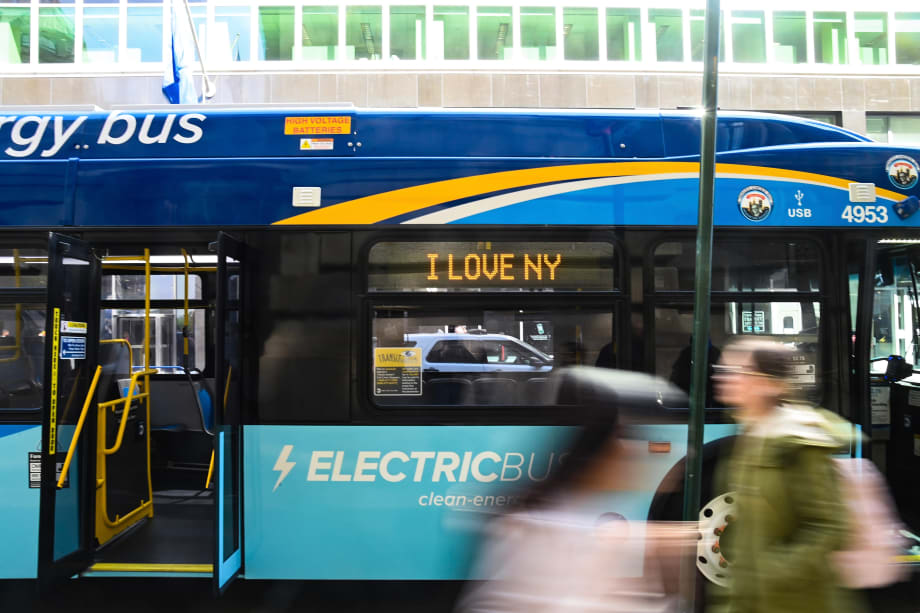
The MTA said it will be able to achieve these emissions reductions without compromising the authority’s inherently sustainable mass transit operations.
Photo: New York MTA
3 min to read
The Metropolitan Transportation Authority (MTA) announced its commitment to reducing the emissions that result from operations of the authority’s trains, buses, and facilities by at least 85% by 2040 from a 2015 baseline.
At the same time, the authority released a new analysis showing that the MTA allows New Yorkers to avoid emitting 20 million metric tons of carbon annually, by keeping cars off the road, reducing congestion, and enabling high-density neighborhoods.
“There is no denying the urgent need to address the climate crisis, and the MTA is a double solution, first by providing New Yorkers with environmentally sustainable form of transportation, and second by finding innovative ways to reduce our own emissions,” said Janno Lieber, MTA CEO. “Now more than ever, New Yorkers can feel confident that by riding the MTA they are doing their own part to reduce climate impacts.”
The MTA said it will be able to achieve these emissions reductions without compromising the authority’s inherently sustainable mass transit operations.
MTA's Approach to Cut Emissions
Steps to slashing greenhouse gas emissions include:
Updating Facilities: MTA will update legacy systems in shops, depots, yards, and stations, with energy-efficient tech and low- or no-emissions systems as part of its capital program investments. As an example, the MTA will upgrade HVAC and lighting systems to be more energy efficient, identify opportunities to transition away from fossil fuel heating systems where feasible and invest in solar panel installations on facility rooftops.
Transitioning Fleets: The MTA will take steps to reduce emissions associated with all fleets. Notably, the MTA will transition its entire bus fleet of 5,800 buses to zero-emission alternatives by 2040. In 2019, the MTA purchased 15 electric buses and installed 16 chargers at the MJ Quill Depot. Work on the path to a full transition by 2040 includes taking delivery of the pilot buses from our 60 all-electric bus order, awarding the procurement of 470 all-electric buses, equipping bus depots with new charging infrastructure to support the MTA's growing electric bus fleet, and expanding a depot-based workforce training program for zero-emissions.
Increasing Energy Efficiency: By using energy management technologies, regenerative energy, and power storage, and deploying on-site renewable energy installations. As an example, the MTA is already installing remote controls for third rail heaters to reduce energy usage, one of over 200 efficiency projects the MTA has already completed across its agencies.
“Subways and buses are moving over five million people daily, a feat that would take millions of cars to accomplish,” said Richard Davey, New York City Transit president. “Simply deciding to take transit daily is good for the environment. With New York City Transit’s commitment to a zero-emissions bus fleet by 2040, that daily decision to take the bus or subway will get even greener.”
More Zero Emissions
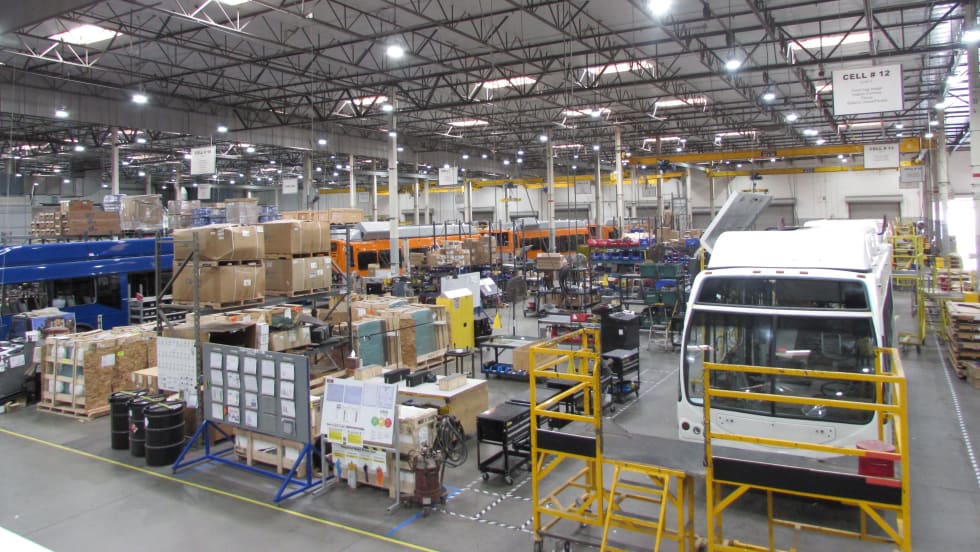
LA Metro Board Awards 220 Battery-Electric Bus Contract to ENC
The contract, which is the largest base award of battery-electric buses by a U.S. transit agency, will be built in Southern California, sustaining good jobs as LA prepares to welcome the world in 2028
Read More →
Public Transit Conference Returning to GFX in 2027, Call for Papers Now Open
The Call for Papers is now open, allowing transit agency professionals and industry experts to help shape the PTC educational program by submitting session ideas for consideration.
Read More →
Report: Transit Bus Manufacturing Supports 34,100 Jobs, $5.1B in GDP
The “Buses Mean Business” report examines the transit bus manufacturing industry’s economic footprint, supply chain, and rising demand for vehicle replacements.
Read More →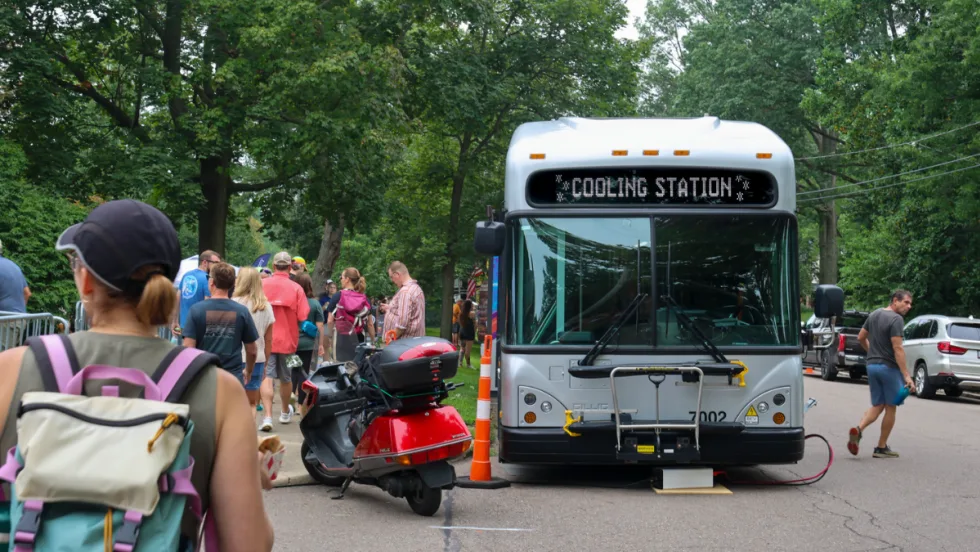
Ohio’s METRO RTA Turns Electric Buses into Mobile Power Sources at PorchROKR
See how three Gillig battery-electric buses powered festival stages while the agency’s new Park & Ride service carried approximately 1,000 attendees, demonstrating another potential use for transit agencies’ electric fleets.
Read More →
CALSTART and Forth Combine to Form Catalyst Mobility
The new name represents a renewed vision for the nonprofit focused on advancing clean, equitable, and affordable transportation solutions that move people and goods.
Read More →
Building a Flexible Path to Transit Electrification
John Hroncich discusses BAE Systems’ modular and scalable approach, lessons learned from decades of real-world operations, and how agencies can identify electrification strategies that fit their fleets.
Read More →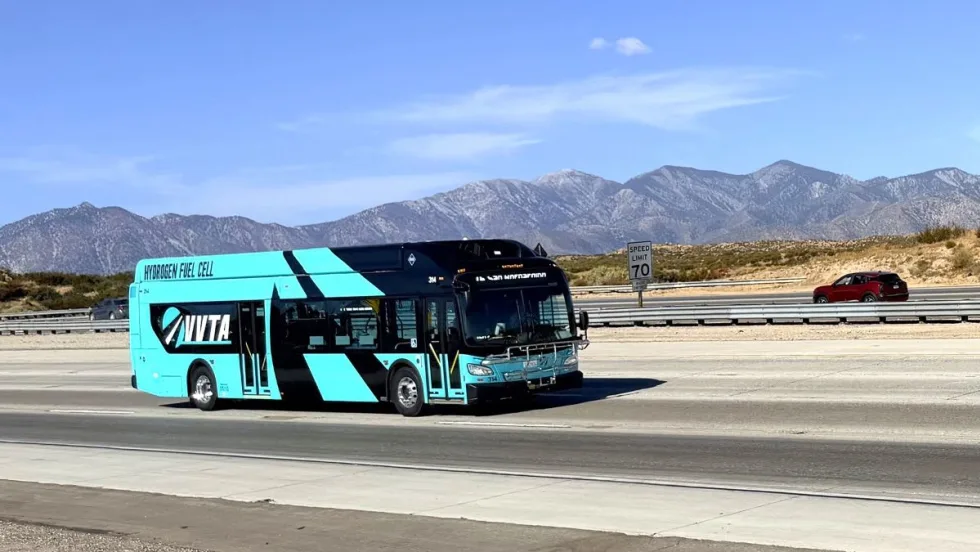
California's VVTA Begins Phased Rollout of Hydrogen Fuel Cell Buses
The agency is introducing 13 zero-emission buses into revenue service while evaluating performance across its urban, rural, and long-distance routes.
Read More →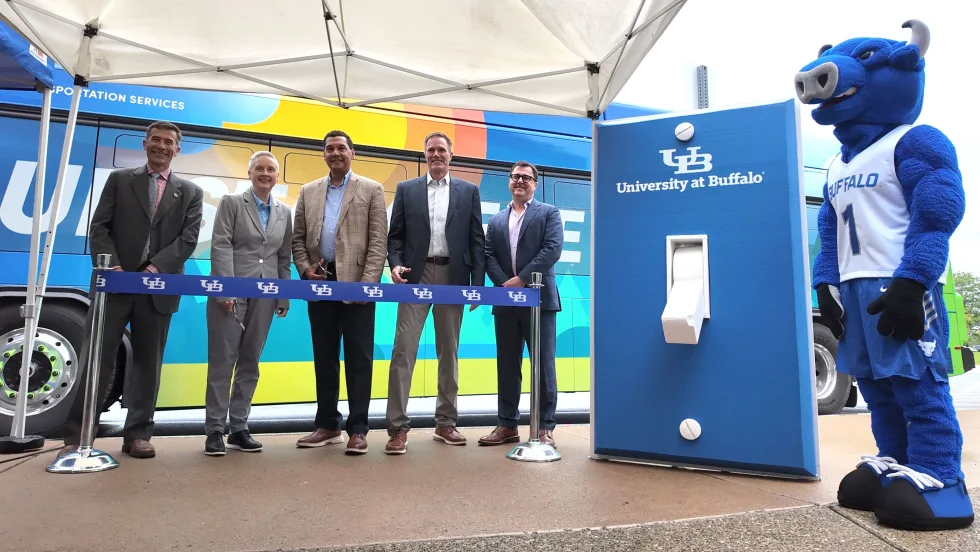
Inside Look: University at Buffalo Puts First 8 Electric Buses Into Stampede Service
UB, transportation solutions provider WeDriveU, and fleet electrification specialist Zenobē marked the deployment in the presence of students, university administrators, and local officials.
Read More →
Biz Briefs: OCTA Taps Clean Energy for Hydrogen Station, Stadler to Supply Via Rail Vehicles, and More
From manufacturers and suppliers to transit agencies and motorcoach operators, these updates offer a snapshot of the projects, partnerships and business moves driving the industry forward.
Read More →
AC Transit’s Cecil Blandon on Building the Next Generation of Transit Maintenance Leaders
The agency’s maintenance chief discusses leadership, workforce development, zero-emission technology, and preparing technicians for the future of public transportation.
Read More →