



New York MTA Launches 'Fair Fares' OMNY Pilot
The pilot is scheduled to run for 90 days, which will allow for the agency to collect feedback from participants, evaluate the pilot, and finalize a plan for the full transition to OMNY across all Fair Fares customers at a later date.

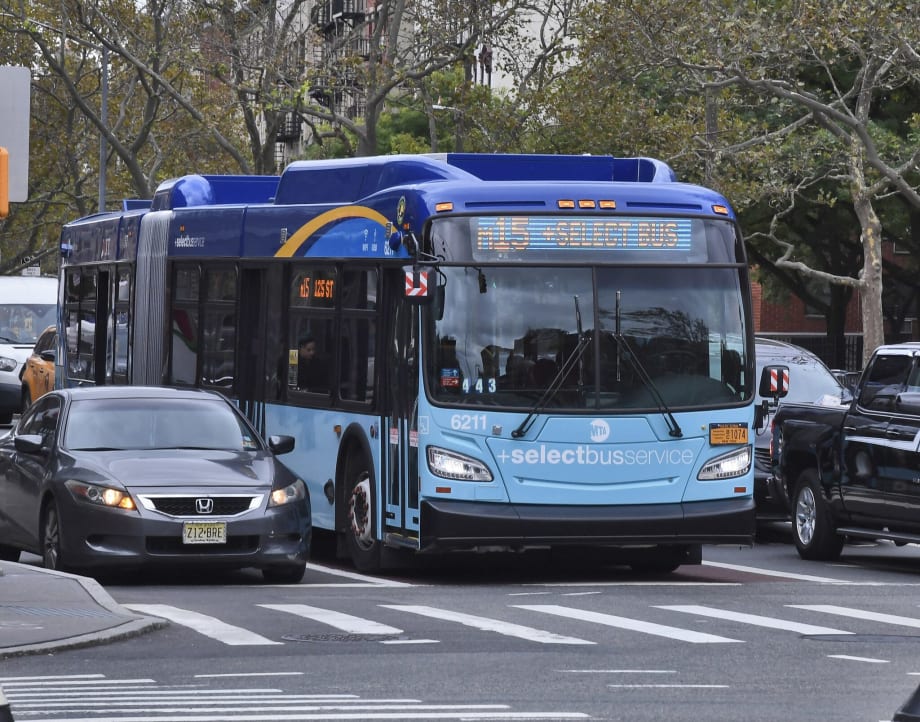
As outlined in the Blue-Ribbon Report on MTA Fare and Toll Evasion, the authority is aggressively expanding awareness around the Fair Fares program among the riding public to actively increase enrollment.
Photo: MTA/Marc A. Hermann
The New York Metropolitan Transportation Authority (MTA) and the City’s Department of Social Services (DSS) officially launched the Fair Fares pilot on OMNY, the authority’s contactless fare payment system.
Fair Fares customers registered for the pilot can now use OMNY cards to pay via tap-and-go on New York City subways and buses. The pilot is scheduled to run for 90 days, which will allow for the agency to collect feedback from participants, evaluate the pilot, and finalize a plan for the full transition to OMNY across all Fair Fares customers at a later date.
There are currently 50 Fair Fares members enrolled and already tapping into the subway system and on buses with OMNY cards as part of the pilot program.
The Fair Fares Program
Following the Mayor Adams Administration’s implementation of the first-ever expansion of Fair Fares eligibility, extensive community outreach, and numerous enrollment events held in partnership with the MTA, elected officials, agency partners, and community-based organizations, more New Yorkers than ever — over 330,000 — are currently enrolled in Fair Fares.
The pilot comes after the MTA, New York City, DSS, and the Mayor’s Office of Public Engagement held the most expansive single day of action in all five boroughs of New York City to promote and enroll riders into the City’s half-priced Fair Fares program.
Additionally on April 29, the authority announced the completion of its OMNY Card Vending Machine rollout pilot program. To date, MTA crews have activated 39 machines at 25 stations with more activations scheduled — providing additional ways pilot participants can reload their cards.
“Targeted affordability is key to not only growing ridership, but ensuring the most loyal transit riders, no pun intended, pay the fair fare,” said NYC Transit President Richard Davey. “Fair Fares reps have been great partners, joining our TransitTalks to help spread the word about this vital program. Fair Fares has serious potential to be a game-changer, and with OMNY now in the mix the potential to substantially grow the program is highest it has ever been.”
Fully-Vetted Fair Fare Users
Pilot participants attended an in-person orientation where they were able to ask questions about the pilot, including how to reload the OMNY card, which, just like a MetroCard, must have money added to it before it can be used.
The Fair Fares discount is added to the OMNY Cards when they are assigned to a participant and all participants will be able to continue using their OMNY card with the Fair Fares discount even after the pilot concludes.
As outlined in the Blue-Ribbon Report on MTA Fare and Toll Evasion, the authority is aggressively expanding awareness around the Fair Fares program among the riding public to actively increase enrollment. City representatives and MTA staff informed and directed riders to the right resources and information, while offering the opportunity to sign up on site.
Reduced-Fare customers and select Fair Fares customers in the pilot program can now pay their fare with OMNY. In addition to being able to pay for the fare on subways and buses customers taking the Roosevelt Island Tramway and AirTrain JFK can use OMNY to pay full fare.
More Technology
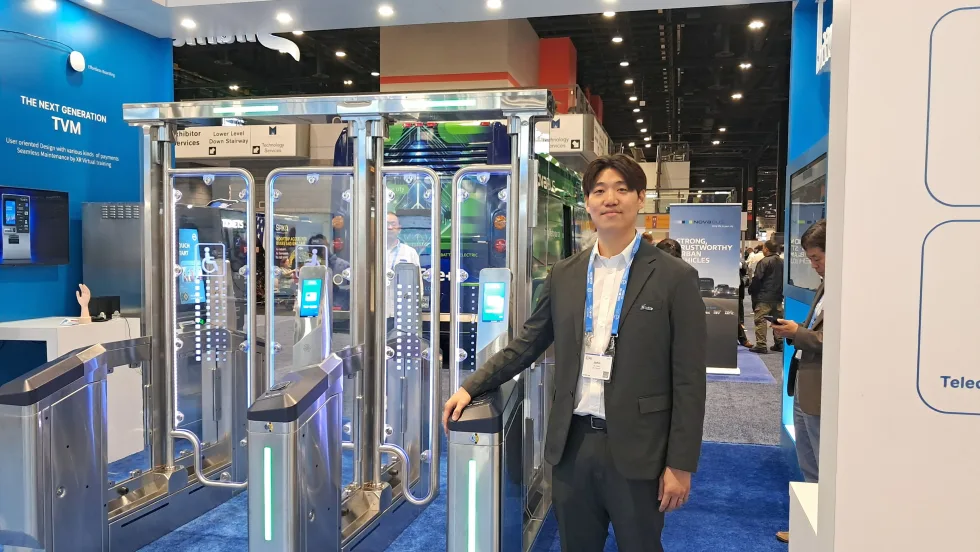
STraffic Expands North American Presence with Fare Collection Technology
Deck: John Moon, Associate Director, Product Strategy at STraffic, discusses the company's growth in North America, its efforts to reduce fare evasion, and more.
Read More →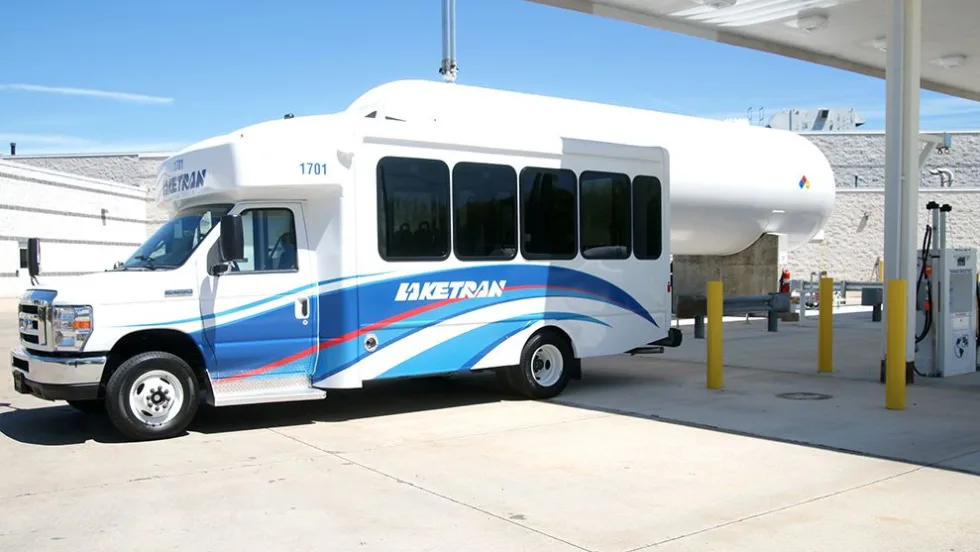
Laketran Cuts Fuel Costs, Boosts Efficiency with Propane-Powered Fleet
The Ohio transit agency is using propane-powered vehicles and on-site fueling infrastructure to cut fuel and maintenance costs while meeting growing demand for paratransit services.
Read More →
Right-Sizing Rural Transit: Lessons from North Grenville’s On-Demand Model
A small municipality shows how flexible service, rider needs, and public accountability can expand mobility with limited resources.
Read More →
Transit Expands Agency Partnerships, Reaching 200 Official App Partners
COO Jake Sion discusses Transit’s growth, the success of its Transit Royale program, and how technology is helping agencies improve the rider experience.
Read More →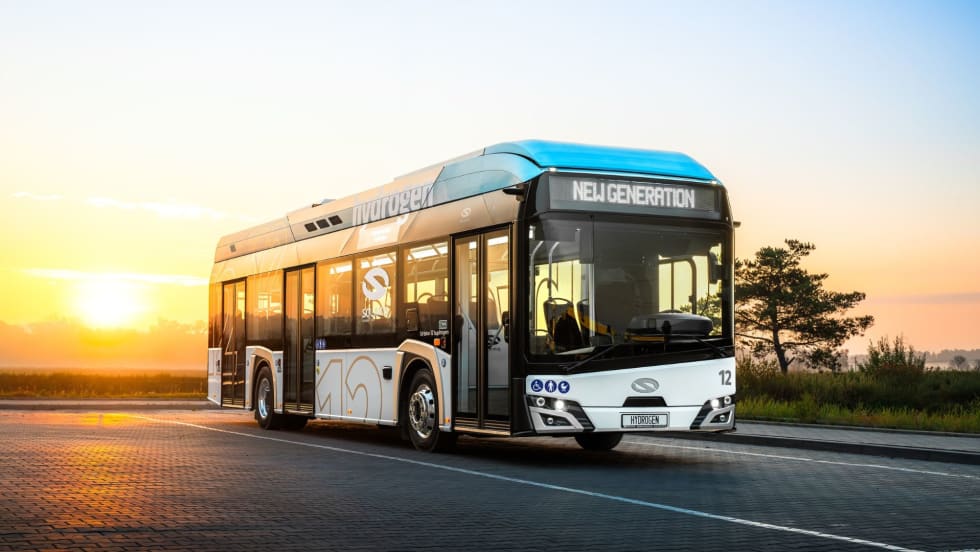
Biz Briefs: Ballard, Solaris Partner, New Flyer Receives Florida Order, and More
In METRO's latest installment, we also take a look at recent news from New Flyer, STV, Spare, and more partnerships making headlines across the transportation sector.
Read More →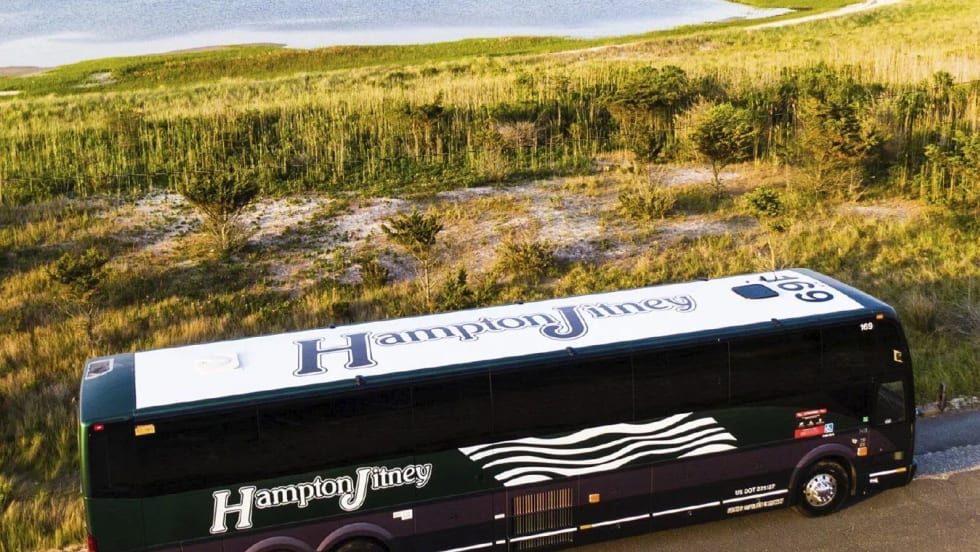
Hampton Jitney Microgrid Offers a Roadmap for Fleet Electrification
Sprocket Power’s on-site energy system is designed to manage charging costs, reduce pressure on the electric grid, and prepare the Long Island transportation provider for expanded electric fleet operations.
Read More →
ETA CEO John Maglio on Transit Technology, Innovation, and Building Agency Trust
ETA founder and CEO John Maglio explores the evolution of transit technology, the importance of reliable systems, and how stronger partnerships can help agencies improve operations and the passenger experience.
Read More →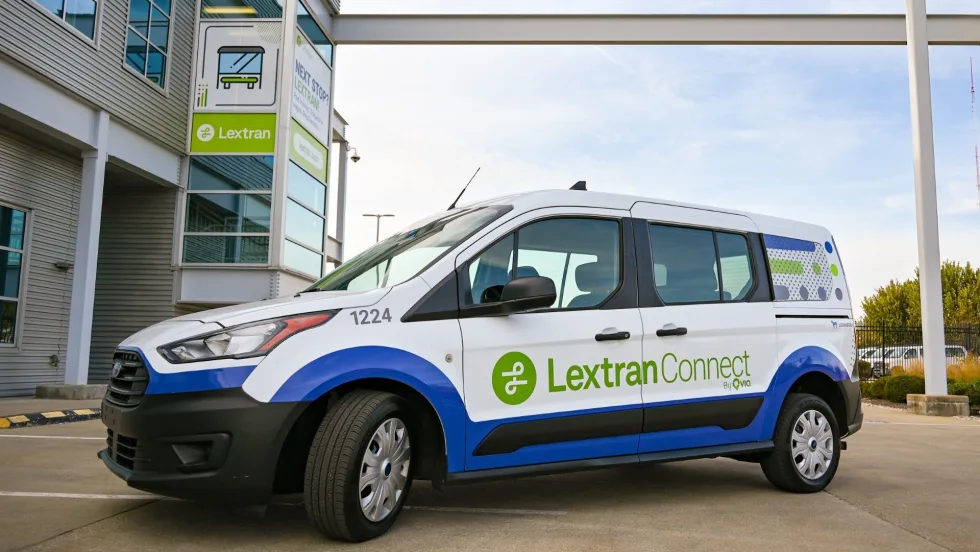
Lextran, Via Team for On Demand, HDR to Work on Twin Cities BRT, and More
In METRO's latest installment, we also take a look at recent news from Keolis, Complete Coach Works, Anchor Transportation, and more partnerships making headlines across the transportation sector.
Read More →
Caltrain’s Electrification Drives a New Era of Ridership Growth
The railroad’s shift to electric service has brought more frequent trains, stronger customer satisfaction, and increased ridership, earning it APTA’s Outstanding Public Transportation System award.
Read More →
Video Surveillance in Public Transit: What Riders Really Think
As video surveillance gains public acceptance, new research from Axis Communications reveals what transit riders expect from agencies when it comes to safety, privacy, and AI.
Read More →