



Optare Rolls Out Alero, Small Bus Targeted at Growing U.K. Disabilities, Smaller City Markets
The Optare Group unveiled its new Alero small bus.

The Optare Group unveiled its new Alero small bus at a special launch ceremony held at the NEC in Birmingham, U.K. last month. The bus was specifically designed for rural and community market segments, particularly for dial-a-ride services, which are expected to grow rapidly in the wake of Britain’s new disability rights legislation. Principal features of the Alero include:
16-passenger capability, in any combination of seats and wheelchairs, plus driver and courier
Ultra-low floor height, with an entry step height when kneeling of just 180 mm (7 in.)
Roll-on wheelchair access via on-board ramps
Fully programmed air-conditioned, electronic climate control
Excellent ride and handling
Safety features including rollover protection, ABS brakes and seat belts
One-piece color-impregnated composite body for long life and more attractive, “MPV-like” styling
Heavy-duty drivetrain including 122 hp, 2.8 liter Iveco 4-cylinder turbo diesel engine meeting Euro 3 emissions standards; ZF 6-speed manual gearbox (with automatic available as an option); Albion/RVI rear-drive axle; Meritor beam front axle with medium-duty independent front suspension; front and rear disc brakes; and full air suspension. “The Alero truly is a revolutionary product; revolutionary in its choice of components and materials and in its packaging of them to offer an ultra low floor bus at an affordable price,” said Russell Richardson, managing director of the Optare Group, at the launch ceremony. “It will revolutionize transport and mobility for some of the most disadvantaged passengers in our society, and it will carry the Optare Group a significant step further along the road to producing 1,000 vehicles a year.” Optare is now owned by North American Bus Industries Inc., of Anniston, Ala. Richardson said he began looking at a new model targeted at these markets as soon as it became apparent that the U.K. government would enact the Disability Discrimination Act. This law will accelerate the replacement rates for buses and coaches in the U.K. and in particular create a demand for low-floor midibuses that can accommodate wheelchairs, he added. Although other manufacturers are said to be developing smaller buses targeted at these segments, Alero appears to be the first such model. Optare will offer Alero in four different model variants, ranging from a simple seat layout in Model 1, to longer-distance local/rural service configuration (Model 2), dial-a-ride configuration (Model 3) to higher-ended product aimed at the transfer coach market (Model 4). Price has been set at between £50,000 and £55,000 (US $85,000-$94,000), depending upon customer specifications. The 7.2m (24 ft) long Alero has a gross vehicle weight of 6.1 tons. Following completion of a comprehensive prototype test program at the Millbrook (U.K.) proving ground, Optare says that pilot production should begin this winter, with full production out of the company’s Rotherham plant in the first half of 2001.
More Management

NITA Proposes $5B Operating Budget, $9.7B Capital Program for 2027
The proposed budget includes funding for expanded transit service, safety initiatives, fleet upgrades, and infrastructure improvements across CTA, Metra, and Pace.
Read More →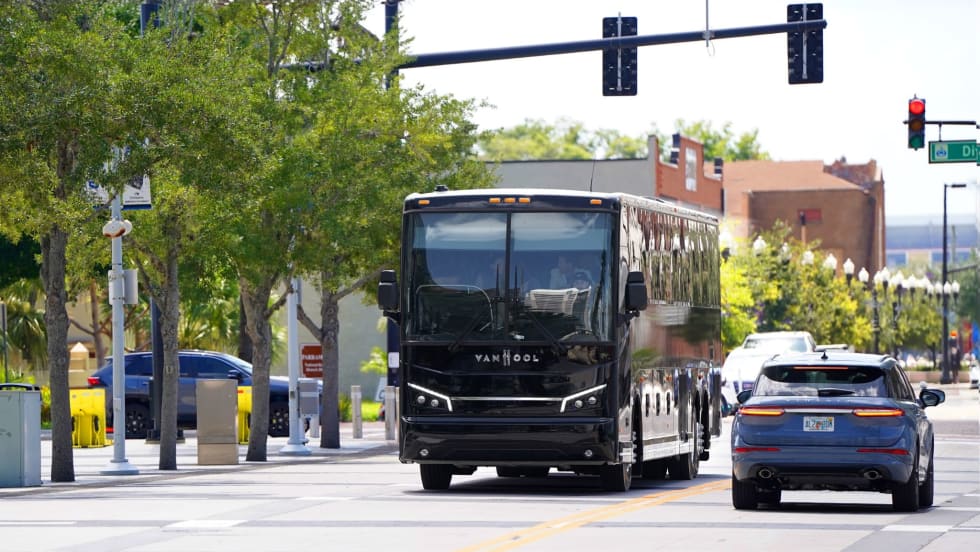
Financing, Fleet Replacement Requires a More Strategic Approach
Executives from ABC Companies and MCI discuss how rising costs, changing market conditions, and post-pandemic challenges are prompting motorcoach operators to rethink financing strategies, fleet replacement cycles, and long-term planning.
Read More →
Bringing Austin’s First Light Rail System to Life
Austin Transit Partnership CEO Greg Canally discusses the city's nearly 10-mile light rail project, its collaborative approach to project delivery, the importance of community engagement, and the milestones ahead as construction approaches in 2027.
Read More →
ETA CEO John Maglio on Transit Technology, Innovation, and Building Agency Trust
ETA founder and CEO John Maglio explores the evolution of transit technology, the importance of reliable systems, and how stronger partnerships can help agencies improve operations and the passenger experience.
Read More →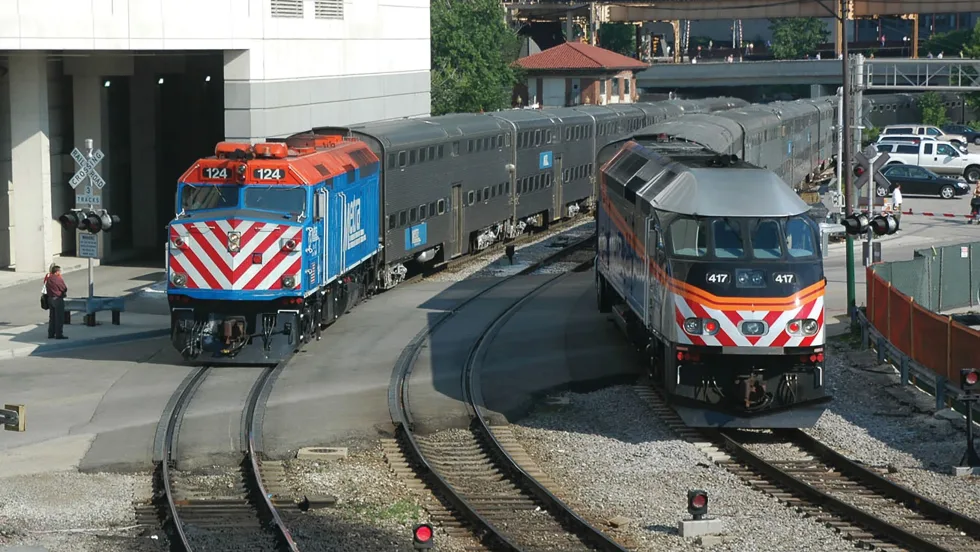
Metra Draft Plan Outlines Costs, Service Improvements for Regional Rail
The Systemwide Network Plan identifies infrastructure needs and potential investments to expand all-day, bidirectional rail service across the Chicago region.
Read More →
New Orleans RTA Names Augustine III as New CEO
In this edition, we also spotlight recent personnel moves at HDR, PATH, STV, and more, highlighting the people taking on new roles across the transportation industry.
Read More →
How Transit Agencies Are Using Free Rides to Improve Voting Access
Transit agencies are using fare-free service, trip-planning tools, and targeted rides to improve voting access. See what other agencies can learn from these efforts.
Read More →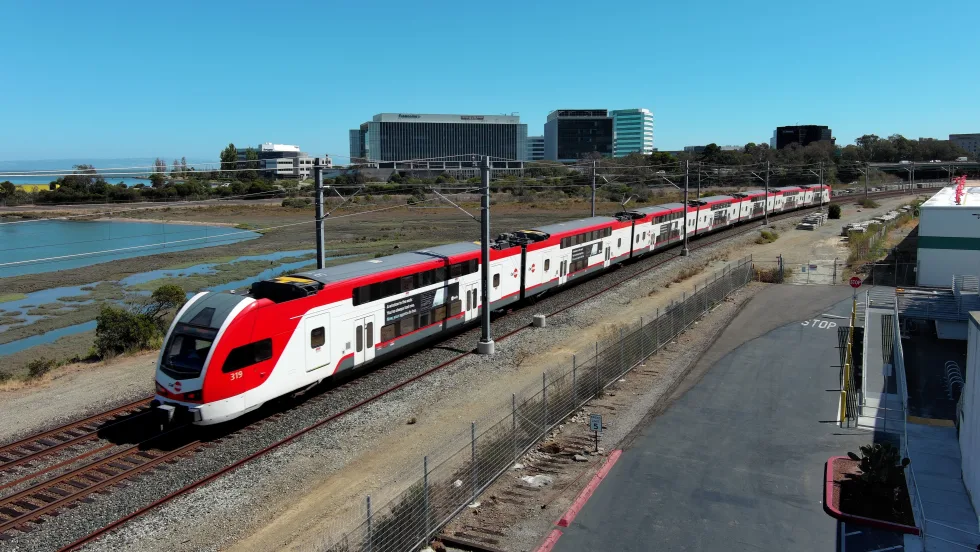
Caltrain’s Electrification Drives a New Era of Ridership Growth
The railroad’s shift to electric service has brought more frequent trains, stronger customer satisfaction, and increased ridership, earning it APTA’s Outstanding Public Transportation System award.
Read More →
Chicago, Charlotte Transit Agencies Expand Rider Support Programs
CTA launched crisis intervention teams as CATS prepares to deploy fare ambassadors, expanding customer assistance and security efforts across both systems.
Read More →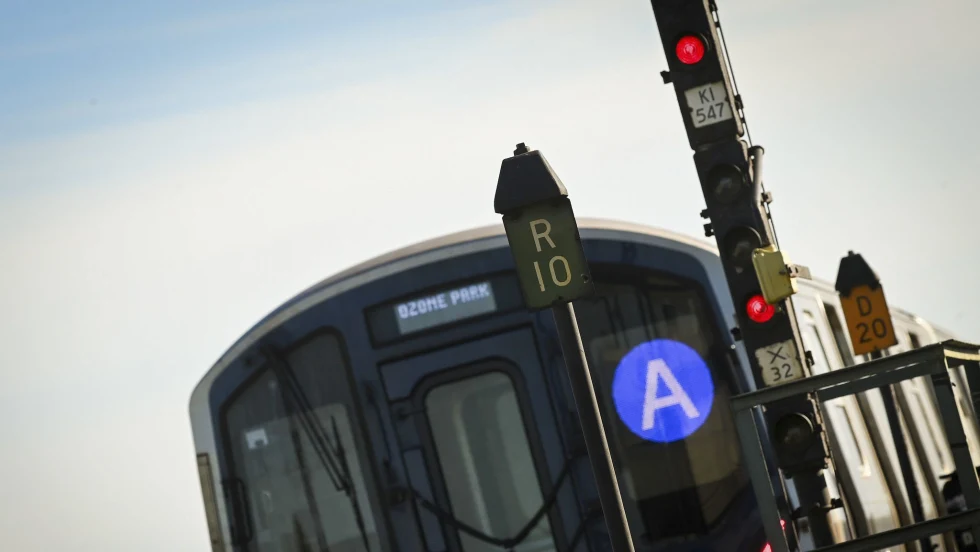
New York MTA Launches Historic $1.9B Signal, Track Modernization Project
Funded in part by congestion pricing revenue, the project will replace nearly century-old signals along the A and C lines in Brooklyn and Queens.
Read More →