




Keep Reading: SEPTA Continues to Enhance Safety & Security Efforts
Philadelphia’s SEPTA Expands Cost-Saving Plan with New Phase of Efficiency Program
Facing a $213 million deficit, SEPTA is launching the next phase of its Efficiency & Accountability Program, building on employee-led innovations, fare enforcement, and real estate development.
May 22, 2025
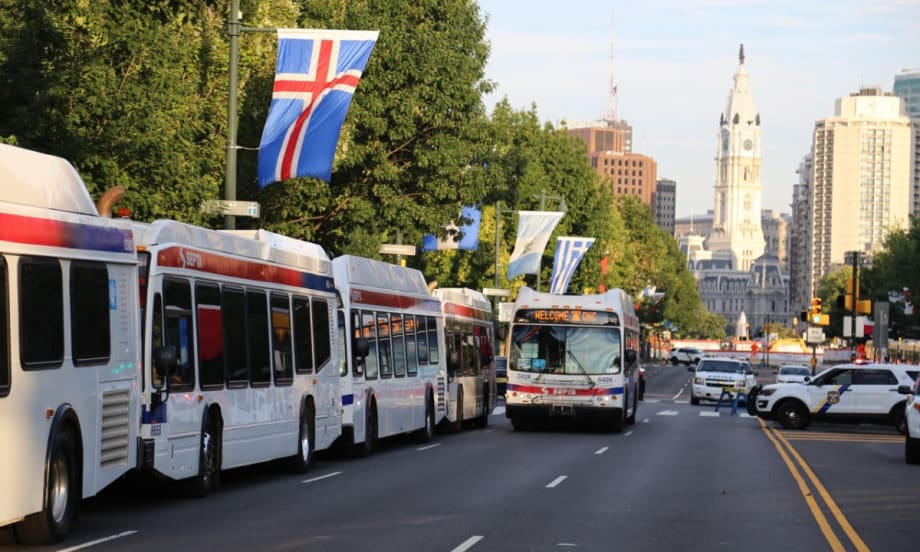
SEPTA employees have created and implemented 140 cost-saving initiatives to make the authority even more efficient.
Photo: SEPTA
2 min to read
As Philadelphia’s SEPTA faces a $213 million budget deficit starting July 1, the authority recently announced its Efficiency & Accountability (E&A) Program has recognized $91.4 million in annual recurring new revenue and cost savings.
SEPTA is doubling down on this progress, aiming to be more cost-effective while still delivering reliable services, by launching its next phase of E&A, which is expected to generate $76 million in revenue.
This new plan will be implemented over the next three years, focusing on strategic areas like safety, fare evasion, and joint development.
"As we continue to make the case for funding transit, we understand that self-help must be part of the solution to put SEPTA in the best financial position possible," said SEPTA Board Chair Kenneth E. Lawrence Jr.
SEPTA Cuts Costs Through Employee Innovation, Austerity
Since 2021, according to an authority statement, SEPTA employees have created and implemented 140 cost-saving initiatives to make the authority even more efficient. SEPTA's structural deficit has been reduced from $240 million to $213 million due to the employee program and a series of austerity measures, including:
Hiring and pay freeze for management.
Reductions in consultant contracts.
A ban on travel and all discretionary expenses.
"While we cannot cut our way out of this funding crisis, engaging our employees to help identify opportunities for improved performance demonstrates that we are good stewards of public funds," said SEPTA Interim GM Scott A. Sauer.
Examples of SEPTA's past and future E&A initiatives include:
Deter and Decrease Fare Evasion ($4 millionin potential new revenue)
SEPTA is combating fare evasion through enhanced policing and new technology and infrastructure.
As part of this effort, SEPTA Transit Police are conducting new Fare Evasion Enforcement Blitzes at select stations across the system, increasing fare evasion citations and fare revenue.
Maximize Railroad Crewing ($11.3million in savings)
SEPTA's Regional Rail Engineer and Conductor Training Program addresses critical staffing shortages by replenishing engineer numbers, reducing overtime costs, and enhancing work-life balance.
Maximize Value of Real Estate Assets ($9 millionin potential new revenue)
SEPTA is building on the success of its Transit Oriented Communities Program by pursuing joint development opportunities to secure better returns on its real estate assets.
Building housing and commercial space near SEPTA's stations will encourage ridership and bring economic activity to the communities that SEPTA serves.
More Management

METRO Opens Submissions for 2026 Motorcoach Awards
Nominations are now being accepted for METRO Magazine’s Operator of the Year and Innovative Operator of the Year awards.
Read More →
New York MTA Advances Final Contract for Second Avenue Subway Expansion
Contract Four is the largest in the Second Avenue Subway Phase 2 project and includes construction of station infrastructure, tracks, and signals for the subway expansion, MTA officials said. Work on Contract Four will begin in 2027.
Read More →
Transit Agencies Highlight Safety Gains at National Summit
Leaders from 15 major transit systems shared crime-reduction results and safety initiatives while discussing the role of continued federal support.
Read More →

NITA Names New Leadership, Expands Reduced-Fare Program at First Board Meeting
The new regional transit authority appointed its first board chair and interim executive director while extending reduced fares across CTA, Metra, and Pace for eligible riders.
Read More →
Beyond the Checklist: A Structured Approach to Transit Maintenance
Reliability-Centered Maintenance helps transit agencies move beyond routine checklists to focus limited resources on the assets and failures that have the greatest impact on safety, reliability, and service.
Read More →
APTA 2026 Nominating Committee Selects Leadership Slate, Names Chair and Vice Chair Nominees
Leadership changes will help shape the association’s priorities and its representation of the transportation industry during the 2026–2027 term.
Read More →
DART Launches Major Security, Fare Enforcement Initiative
The 90-day demonstration will deploy coordinated security teams at five light rail stations while testing controlled access and gathering data to guide future investments.
Read More →
Sponsored•September 9, 2026
Advancing Fare Collection Through Technology and Innovation
Learn about delivering 1300 gates at 91 stations while managing fare evasion. Explore the large scale deployment, solution customization and real-world results that affect the region. Prepare for deployment in your region now.
Read More →
Game Day in Motion: Moving Millions During the 2026 World Cup
Between packed transit stations and team motorcoaches, see how agencies and operators across North America tackled the transportation demands of the 2026 FIFA World Cup.
Read More →
Surface Transportation Extension Averts Shutdown, Leaves Transit Funding Gap
The stopgap keeps federal transportation programs moving, but missing advance funding could complicate the transit and rail projects agencies are planning next.
Read More →