



President Biden, US DOT Announce $2.9B of Bipartisan Infrastructure Law Funding
Combining three major discretionary grant programs into one Multimodal Projects Discretionary Grant opportunity reduces the burden for state and local applicants and increases the pipeline of “shovel-worthy” projects that are now possible because of the Bipartisan Infrastructure Law.
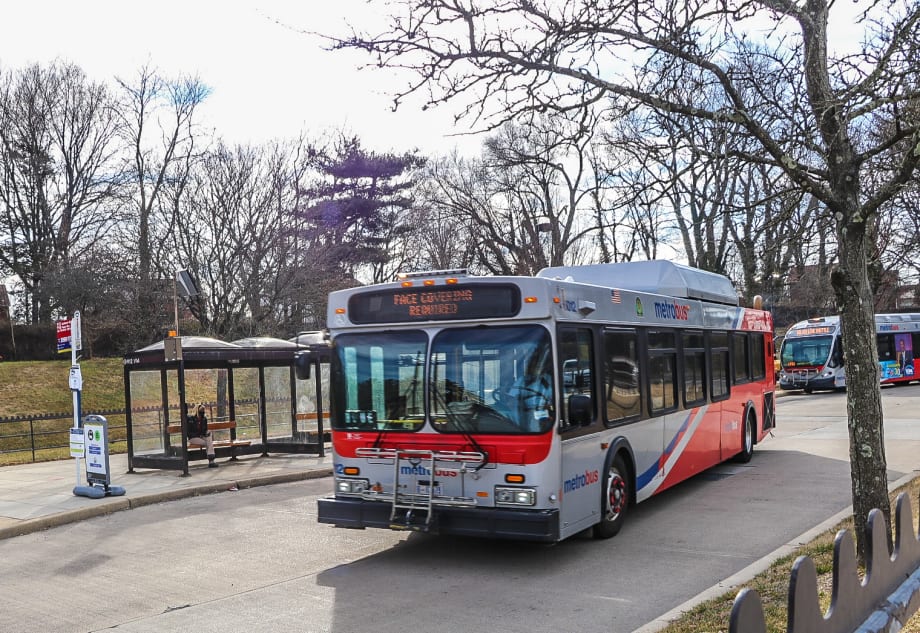
Putting three programs under a single NOFO makes it easier for communities to apply to one, two, or three major discretionary grant programs with a single application and common set of criteria.
WMATA/Larry Levine
Transportation Secretary Pete Buttigieg announced $2.9 billion of funding is now available for major infrastructure projects through a combined Notice of Funding Opportunity (NOFO) under President Biden’s Bipartisan Infrastructure Law.
Combining three major discretionary grant programs into one Multimodal Projects Discretionary Grant opportunity reduces the burden for state and local applicants and increases the pipeline of “shovel-worthy” projects that are now possible because of the Bipartisan Infrastructure Law. These investments will create good-paying jobs, grow the economy, reduce emissions, improve safety, make our transportation more sustainable and resilient, and expand transportation options in rural America and other underserved communities, according to the US DOT.
“President Biden’s Bipartisan Infrastructure Law is a once-in-a-generation opportunity to fix our outdated infrastructure and invest in major projects for the future of our economy,” said Secretary Buttigieg. “Until now, we had limited ability to make awards beyond a certain level, or to support projects with funding from multiple federal grant programs. Under this approach and with a major infusion of new funding, we have the capacity to green-light more transformational projects that will create good-paying union jobs, grow the economy, and make our transportation system safer and more resilient.”
The National Infrastructure Project Assistance (MEGA) program was created in the Bipartisan Infrastructure Law to fund major projects that are too large or complex for traditional funding programs. The program will provide grants on a competitive basis to support multijurisdictional or regional projects of significance that may also cut across multiple modes of transportation. Eligible projects could include highway, bridge, freight, port, passenger rail, and public transportation projects of national and regional significance. These could be bridges or tunnels connecting two states; new rail and transit lines that improve equity and reduce emissions; and freight hubs integrating ship, train, and truck traffic while improving environmental justice. The US DOT will award 50% of funding to projects greater than $500 million in cost, and 50% to projects greater than $100 million but less than $500 million in cost. The program will receive up to $1 billion this year alone and be able to provide multi-year funding to projects.
The Infrastructure for Rebuilding America (INFRA) program is an existing competitive program that will see a more than 50% increase in this year’s funding due to the Bipartisan Infrastructure Law. These grants advance the Administration’s priorities of rebuilding America’s infrastructure and creating jobs by funding highway, multimodal freight, and rail projects that position America to win the 21st century. Projects will improve safety, generate economic benefits, reduce congestion, enhance resiliency, and hold the greatest promise to eliminate supply chain bottlenecks and improve critical freight movements. Last year, U.S. DOT received over $10 billion of project applications, but could only fund around $1 billion of projects. The Bipartisan Infrastructure Law provides approximately $8 billion for INFRA over five years, of which approximately $1.55 billion will be made available through this NOFO.
The Rural Surface Transportation Grant Program (RURAL) was created in the Bipartisan Infrastructure Law and will support projects to improve and expand the surface transportation infrastructure in rural areas to increase connectivity, improve the safety and reliability of the movement of people and freight, and generate regional economic growth and improve quality of life. Eligible projects for Rural grants include highway, bridge, and tunnel projects that help improve freight, safety, and provide or increase access to an agricultural, commercial, energy, or transportation facilities that support the economy of a rural area. This year alone, the US DOT will award up to $300 million in grants through the rural program — part of the $2 billion included in the Bipartisan Infrastructure Law over five years.
Putting these three programs under a single NOFO makes it easier for communities to apply to one, two, or three major discretionary grant programs with a single application and common set of criteria. The Department will make awards under the three grant programs consistent with each grant program’s statutory language and will focus on supporting projects that improve safety, economic competitiveness, equity, and climate and sustainability. Also, a single solicitation will also help the Department get a more comprehensive view of projects in development nationwide. The three programs under this combined NOFO will continue to receive support from the US DOT, including the rural-focused ROUTES program team as well as the Build America Bureau.
More Management

METRO Opens Submissions for 2026 Motorcoach Awards
Nominations are now being accepted for METRO Magazine’s Operator of the Year and Innovative Operator of the Year awards.
Read More →
New York MTA Advances Final Contract for Second Avenue Subway Expansion
Contract Four is the largest in the Second Avenue Subway Phase 2 project and includes construction of station infrastructure, tracks, and signals for the subway expansion, MTA officials said. Work on Contract Four will begin in 2027.
Read More →
Transit Agencies Highlight Safety Gains at National Summit
Leaders from 15 major transit systems shared crime-reduction results and safety initiatives while discussing the role of continued federal support.
Read More →

NITA Names New Leadership, Expands Reduced-Fare Program at First Board Meeting
The new regional transit authority appointed its first board chair and interim executive director while extending reduced fares across CTA, Metra, and Pace for eligible riders.
Read More →
Beyond the Checklist: A Structured Approach to Transit Maintenance
Reliability-Centered Maintenance helps transit agencies move beyond routine checklists to focus limited resources on the assets and failures that have the greatest impact on safety, reliability, and service.
Read More →
APTA 2026 Nominating Committee Selects Leadership Slate, Names Chair and Vice Chair Nominees
Leadership changes will help shape the association’s priorities and its representation of the transportation industry during the 2026–2027 term.
Read More →
DART Launches Major Security, Fare Enforcement Initiative
The 90-day demonstration will deploy coordinated security teams at five light rail stations while testing controlled access and gathering data to guide future investments.
Read More →
Advancing Fare Collection Through Technology and Innovation
Learn about delivering 1300 gates at 91 stations while managing fare evasion. Explore the large scale deployment, solution customization and real-world results that affect the region. Prepare for deployment in your region now.
Read More →
Game Day in Motion: Moving Millions During the 2026 World Cup
Between packed transit stations and team motorcoaches, see how agencies and operators across North America tackled the transportation demands of the 2026 FIFA World Cup.
Read More →
Surface Transportation Extension Averts Shutdown, Leaves Transit Funding Gap
The stopgap keeps federal transportation programs moving, but missing advance funding could complicate the transit and rail projects agencies are planning next.
Read More →