



Public transit investment in large metro areas reap a better return, study finds
The research data collected from 48 metropolitan areas in the U.S. showed a positive correlation between ridership, residential density, and the convenience of using public transportation.

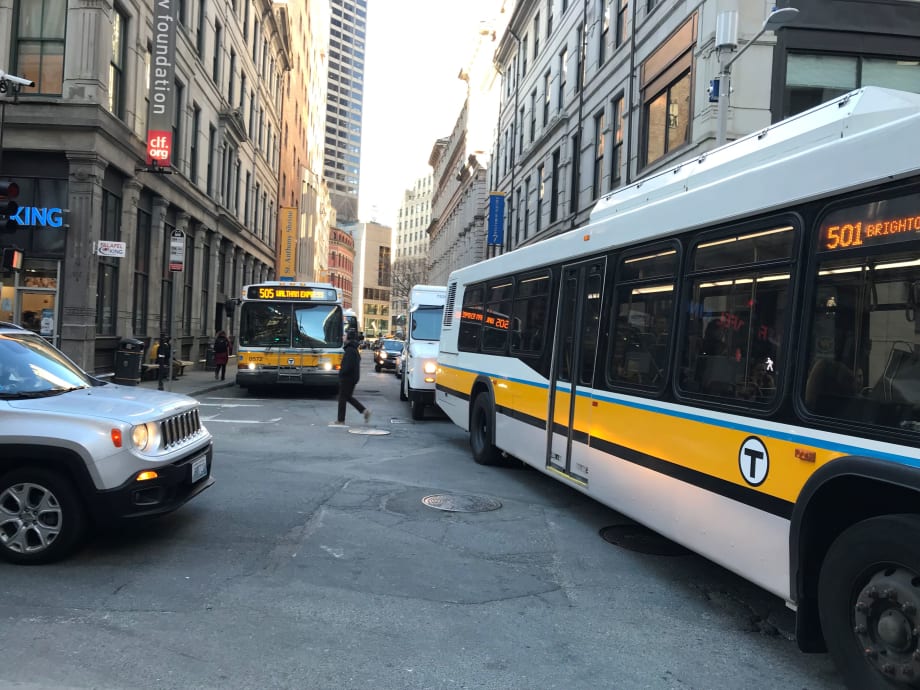
The research analyzed data collected from 48 metropolitan areas in the U.S., including New York, Boston, Minneapolis, and Atlanta.
Janna Starcic
The research analyzed data collected from 48 metropolitan areas in the U.S., including New York, Boston, Minneapolis, and Atlanta.
Janna Starcic
Public transportation investments in large metropolitan areas reap a better return, with more passengers adopting public transport, than those in smaller cities, according to a study conducted by researchers from the University of Sydney.
The research analyzed data collected from 48 metropolitan areas in the U.S., including New York, Boston, Minneapolis, and Atlanta, which showed a positive correlation between ridership, residential density, and the convenience of using public transportation.
The research drew on data collected by the University of Minnesota, measuring the number of jobs over 48 metropolitan areas that were accessible by public transit. Efficiency was measured by assessing whether improvements to transit influenced residential density.
It also revealed it was more beneficial for transport operators to expand in big cities than launch into undeveloped areas, as larger cities yield a greater return on transit improvement than smaller towns.
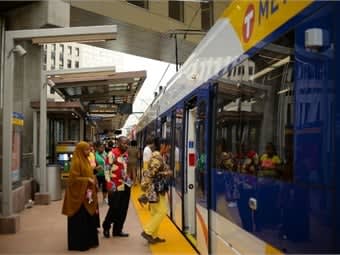
The research drew on data collected by the University of Minnesota, measuring the number of jobs over 48 metropolitan areas that were accessible by public transit.
Metro Transit
Car use declines with higher transit accessibility: Using a scaling model, the researchers found that with increased residential density, coupled with better public transit accessibility, the density of car commuters levelled-off and began to decline.
Residential location and commute mode choice are affected by accessibility of transport to jobs: The researchers’ models were derived from a database that measured each minute of the morning peak period (between 7 a.m. to 9 a.m.) over 11 million areas in the U.S. They found that jobs within a 45-minute commute from home most affected transit rider density. The findings support that transit investment should focus on mature, well-developed regions, which would attract proportionally more ridership than smaller cities.
Transit rider density rises faster than population density with increasing transit accessibility: Efficiency was measured by “returns of scale,” assessing whether improved access to public transport influenced residential density.
The research found that residential density did increase with improvements to the transport network, but not at the same rate as the take up of public transport.
To view the full report, click here.
More New Mobility

From Hardware to Digital Partner: Luminator Charts Its Next Chapter
CEO Magnus Friberg discusses Luminator’s shift toward becoming a digital partner, the growing importance of software and interoperability, and how AI can help agencies improve operations and passenger experience.
Read More →
Biz Briefs: Alstom Lands Canadian Contract, LYT to Supply California TSP, and More
In METRO's latest installment, we take a look at recent news from Complete Coach Works, Beep, FlixBus, and more partnerships making headlines across the transportation sector.
Read More →
CharterUP’s Armir Harris on Technology, AI, and the Future of Group Mobility
In a recent episode of METROspectives, CharterUP Founder/CEO Armir Harris discussed the company’s evolution from an online charter bus marketplace into a technology platform supporting public- and private-sector mobility and much more.
Read More →
Jacksonville’s NAVI Project Charts a New Course for Autonomous Public Transportation
Through its NAVI program, JTA is showing how autonomous vehicles, intelligent infrastructure, and coordinated operations can work together to deliver everyday public transportation.
Read More →
Biz Briefs: Luminator Marks Milestone and More
From manufacturers and suppliers to transit agencies and motorcoach operators, these updates offer a snapshot of the projects, partnerships and business moves driving the industry forward.
Read More →
New Tricks for Old Bureaucracies: Joshua Schank on Making Transit Innovation Stick
Former LA Metro Chief Innovation Officer Joshua Schank discusses why good ideas aren't enough, how transit agencies can overcome resistance to change, and why today's challenges demand more innovation.
Read More →
How DART's GoPass Is Redefining Regional Mobility
Serving 14 transit agencies, GoPass simplifies multimodal travel by allowing riders to plan, pay for, and manage an entire trip through one app.
Read More →
Biz Briefs: OCTA Taps Clean Energy for Hydrogen Station, Stadler to Supply Via Rail Vehicles, and More
From manufacturers and suppliers to transit agencies and motorcoach operators, these updates offer a snapshot of the projects, partnerships and business moves driving the industry forward.
Read More →CharterUP Expands Into New Mobility and Autonomous Transportation
Vice President of New Mobility Stephen Joos discusses how CharterUP is leveraging its nationwide transportation network, technology platform, and autonomous vehicle partnerships to expand into workforce mobility, campus shuttles, and transit solutions.
Read More →
METRO Magazine Announces 2026 Innovative Solutions Awards Winners
Projects Recognized for Advancing Mobility Through Technology, Accessibility, Workforce Innovation, and Operational Excellence
Read More →