




RELATED: LaFrance, local transit agencies forge partnerships, reap benefits
S.C.'s The COMET adds 31 new vehicles
The COMET has a total of 50 fixed-route vehicles and all but eight will have been replaced within the last three years.
September 19, 2017
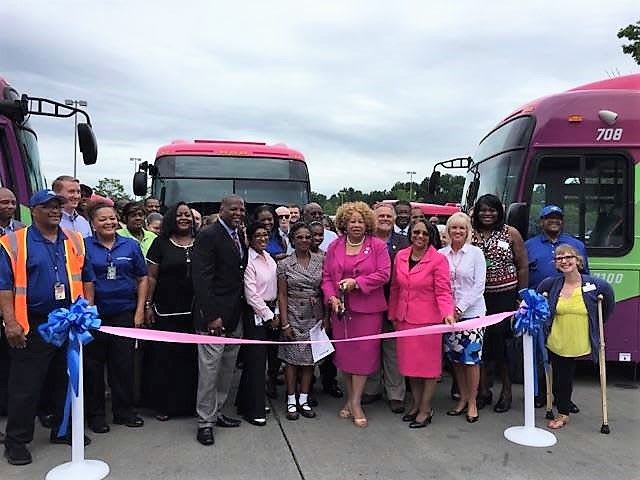
The COMET is celebrating the 125th Anniversary of transit services in the Midlands. Last month, the agency was presented with the “Spare the Air Award” by the Department of Health and Environmental Control.
Photos courtesy The COMET
2 min to read
The COMET is celebrating the 125th Anniversary of transit services in the Midlands. Last month, the agency was presented with the “Spare the Air Award” by the Department of Health and Environmental Control.
Photos courtesy The COMET
Columbia, S.C.’s The COMET recently had a ribbon cutting to commemorate the arrival of 31 new vehicles. The COMET has a total of 50 fixed-route vehicles and all but eight will have been replaced within the last three years. During the spring and early summer months, the agency also received eight new propane-powered small vehicles and 15 35-foot New Flyer buses. Within the last month, eight additional 40-foot New Flyer buses have also arrived on the property.
By the end of October, the Bluebird buses purchased for the fledgling regional transit authority back in 2002 will all have been replaced. The COMET also replaced the entire DART (ADA paratransit) fleet with 21 new vehicles back in 2016.
“This is a milestone for The COMET because we are fulfilling the promises made to the Citizens when the Richland County Penny Transportation Sales Tax was passed,” says Ann August, The COMET’s interim executive director. “I am extremely excited about the upgraded technologies on the new vehicles, and cannot wait to get the old ones off the streets. These new buses will be a breath of fresh air, with its new color scheme as they provide a sense of pride within the communities we serve. We want everyone to know that Public Transit Matters.”
The Penny
The celebration was possible because of the funding provided by the Richland County Transportation Penny Sales Tax that was voted on by the residents of Richland County back in 2012. The COMET receives one-third of the penny that allots $390 million, or 22 years, whichever comes first. If it was not for the penny, the agency would be cutting routes not ribbons.
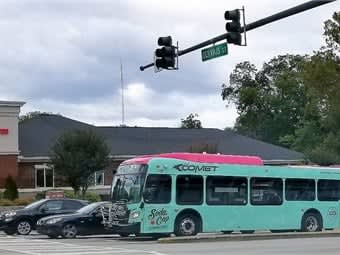
The COMET has a total of 50 fixed-route vehicles and all but eight will have been replaced within the last three years.
The funding allowed The COMET to leverage the federal funds available to them to purchase the new buses. The new buses now provide Wi-Fi, cell phone chargers, the ability to pay fares with their phones, and much more. The ability to have their needs met as well as enjoy the extra benefits provided on the bus is a real plus to the passengers.
The COMET is celebrating the 125th Anniversary of transit services in the Midlands. Last month, the agency was presented with the “Spare the Air Award” by the Department of Health and Environmental Control.
“This is a special year, as we are celebrating the past; all while increasing the growth of transit in the Midlands,” August added. “We cannot improve the transit experience without improving the quality of our buses and customer services; that meets the needs of our passengers, all while being friendly to the environment.”
More Bus

People Movement: Dan Dipert Coaches Adds Third-Generation Leader, Keolis Names New Valley Metro VP/GM, and More
In this edition, we also cover recent appointments and announcements at the Wabtec, SilverRide, HNTB, and more, showcasing the individuals helping to shape the future of transportation.
Read More →
New York MTA Plans Largest Bus Fleet Upgrade in More Than a Decade
The agency is seeking manufacturers for 650 new CNG buses to replace aging vehicles, improve reliability, and advance its broader fleet modernization strategy.
Read More →
Building a Flexible Path to Transit Electrification
John Hroncich discusses BAE Systems’ modular and scalable approach, lessons learned from decades of real-world operations, and how agencies can identify electrification strategies that fit their fleets.
Read More →
Bus Tech Talk: Keeping Transit Technicians Ahead of the Technology Curve
LA Metro’s Obed Mejia discusses technician training, evolving maintenance technology, fleet replacement, and strategies for getting the most out of today’s transit fleets.
Read More →
Biz Briefs: RIPTA Unveils New Frontrunners, Clevland RTA Adds New Siemens, and More
In METRO's latest installment, we take a look at recent news from Siemens, Prevost, Dodge, and more partnerships making headlines across the transportation sector.
Read More →
People Movement: Holly Arnold Joins Transdev and More
In this edition, we also cover recent appointments and announcements at Pace, CamTran, MCI, and more, showcasing the individuals helping to shape the future of transportation.
Read More →
The High Cost of Transit Buses: Industry Leaders Look to Procurement Reform
Transit leaders and policymakers examine how standardized bus designs, streamlined procurement, and predictable funding could help agencies stretch budgets and deliver better service.
Read More →
The Business Voice Behind Public Transportation
As chair of APTA’s Business Members Board of Governors, Ray Melleady explains how more than 850 business members are partnering with transit agencies to advance funding, innovation, and industry-wide collaboration.
Read More →
From Surviving to Thriving: Building Stronger Transportation Organizations
Bus Business Consultants founder Brian Dickson shares lessons on leadership, organizational health, and creating options for long-term success in a changing transportation industry.
Read More →
Finding the ‘Happy Medium’: Optimizing Maintenance Without Sacrificing Reliability
The key to maintenance optimization isn’t doing less work—it’s doing the right work at the right time on the right assets.
Read More →