




Read More: California's VTA Launches Cutting Edge Approach to Livable Transit-Oriented Communities
SacRT Celebrates Federal Grant for Hydrogen Fuel Cell Buses
The Sacramento Regional Transit District has received a $77 Million Federal Grant for Hydrogen Fuel Cell Buses, Maintenance Facility Modernization, and Workforce Development.
November 4, 2024
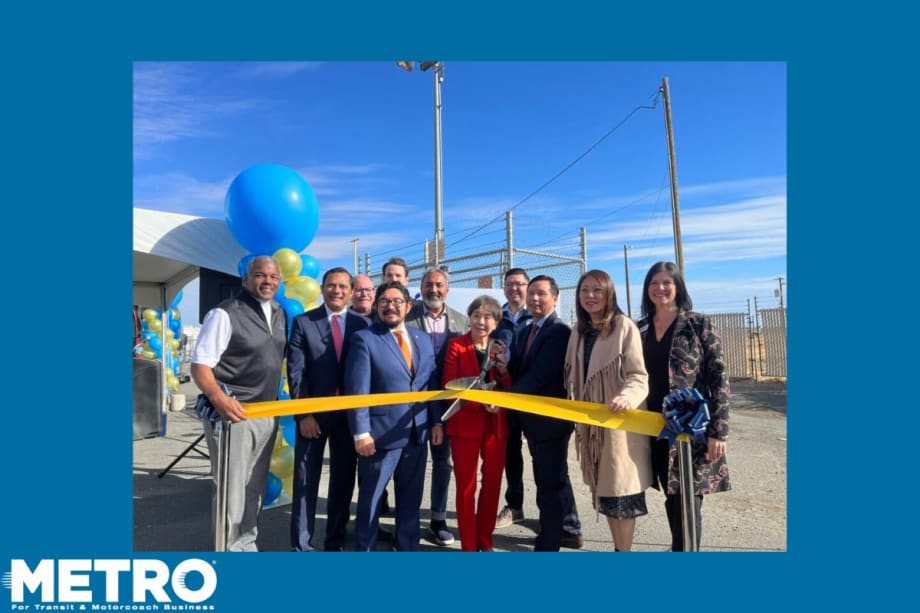
Attendees of the SacRT's ribbon cutting ceremony from left to right: SacRT Board Vice Chair Rick Jennings, FTA Region 9 Administrator Ray Tellis, SacRT Board Chair Patrick Kennedy, CARB Board Member Eric Guerra, Congressman Kevin Kiley, Congressman Ami Bera, Congresswoman Doris Matsui, Assemblyman Josh Hoover, SacRT General Manager/CEO Henry Li, California State Treasurer Fiona Ma, SacRT Board Director Lisa Kaplan.
Photo: SacRT/Canva
2 min to read
The Sacramento Regional Transit District (SacRT) hosted a press event and check presentation ceremony to commemorate the Federal Transit Administration’s (FTA) award of $76,847,678 in Capital Investment Funds.
This significant grant is part of the FTA’s competitive Low or No Emission Grant program and marks a transformative investment in Sacramento’s sustainable transportation future.
“This investment solidifies SacRT’s commitment to a greener, more sustainable future,” said SacRT General Manager/CEO Henry Li. “The new hydrogen fuel cell buses and modernized facilities will significantly reduce our carbon footprint while enhancing service for our riders. We are grateful for the federal partnership and the strong support from our congressional representatives.”
The grant will enable SacRT to purchase new hydrogen fuel cell buses, replace aging fleet vehicles, construct a permanent hydrogen fueling station, modernize a key bus maintenance facility, and establish a workforce development program to train local workers in maintaining and operating the advanced zero-emission buses.
“Sacramento is leading the way in the transition to clean energy, and this investment underscores our region’s commitment to sustainable transportation,” said Congresswoman Doris Matsui. “The hydrogen fuel cell buses will make a tangible difference in our air quality, while creating jobs and boosting economic development in our community.”
This project is made possible through strong partnerships with the California Air Resources Board (CARB), Sacramento Area Council of Governments (SACOG), Sacramento Metropolitan Air Quality Management District (SMAQMD), Center for Transportation and the Environment (CTE), New Flyer of America (New Flyer), American River College (ARC), Clean Cities Coalition (CCC), and the County and City of Sacramento.
“This federal investment will have lasting benefits for Sacramento. It supports clean energy solutions while improving access to safe and reliable transit,” said Representative Ami Bera. “Thanks to funding passed from the Bipartisan Infrastructure Law, I am proud to support SacRT’s efforts to modernize our transportation infrastructure.”
In addition, SacRT received $10 million from SB125 provided by SACOG, $7.5 million from HVIP by CARB, and $3 million from SMAQMD, which are utilized as local match, bringing SacRT’s available funds to $94.3 million. SacRT anticipates receiving additional $35,670,000 from various sources including EnergIIZE funds, VW Mitigation Trust Funds, and state funding sources.
“This project is a critical step toward achieving California’s ambitious greenhouse gas reduction goals,” said California State Treasurer Fiona Ma. “By transitioning to hydrogen fuel cell buses and modernizing transit infrastructure, SacRT is demonstrating the kind of leadership we need to build a cleaner, more sustainable future for our state.”
The event featured a ceremonial ribbon cutting, celebrating one of the largest awards under the FTA’s Low or No Emission Grant program nationwide. The funding places SacRT at the forefront of sustainable transportation innovation in California’s capital region.
More Zero Emissions
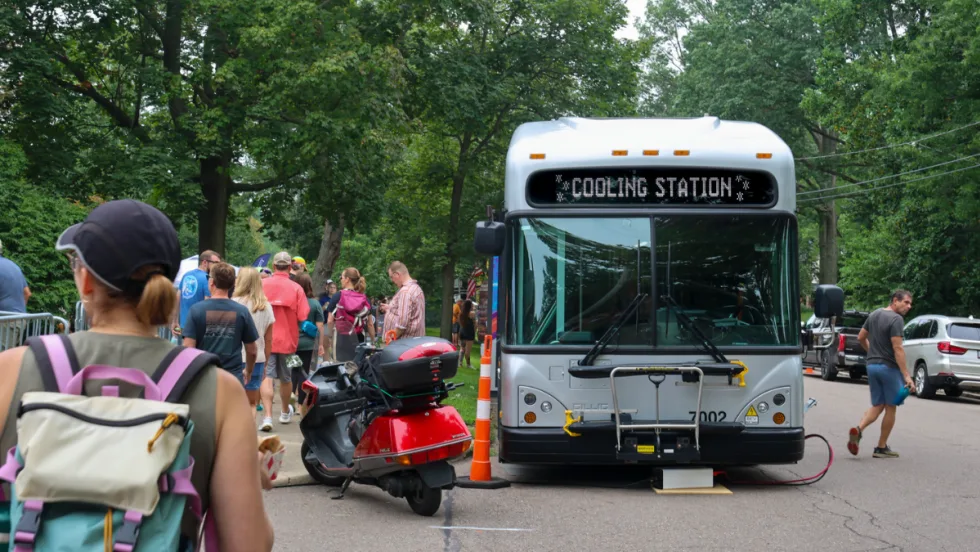
Ohio’s METRO RTA Turns Electric Buses into Mobile Power Sources at PorchROKR
See how three Gillig battery-electric buses powered festival stages while the agency’s new Park & Ride service carried approximately 1,000 attendees, demonstrating another potential use for transit agencies’ electric fleets.
Read More →
CALSTART and Forth Combine to Form Catalyst Mobility
The new name represents a renewed vision for the nonprofit focused on advancing clean, equitable, and affordable transportation solutions that move people and goods.
Read More →
Building a Flexible Path to Transit Electrification
John Hroncich discusses BAE Systems’ modular and scalable approach, lessons learned from decades of real-world operations, and how agencies can identify electrification strategies that fit their fleets.
Read More →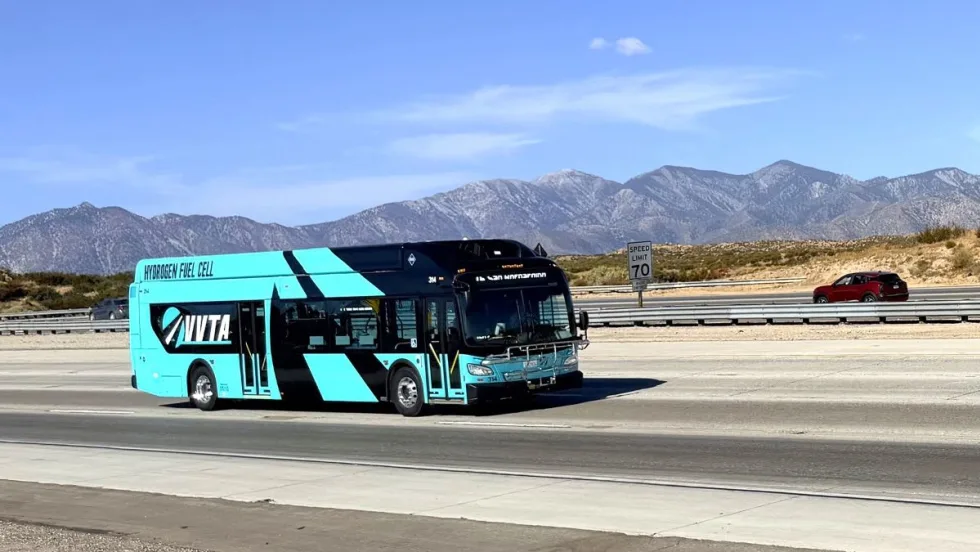
California's VVTA Begins Phased Rollout of Hydrogen Fuel Cell Buses
The agency is introducing 13 zero-emission buses into revenue service while evaluating performance across its urban, rural, and long-distance routes.
Read More →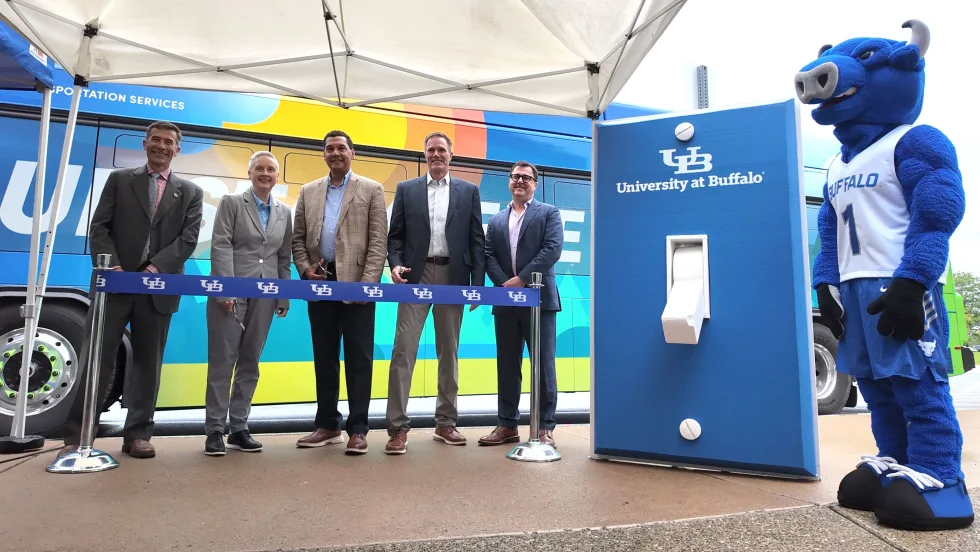
Inside Look: University at Buffalo Puts First 8 Electric Buses Into Stampede Service
UB, transportation solutions provider WeDriveU, and fleet electrification specialist Zenobē marked the deployment in the presence of students, university administrators, and local officials.
Read More →
Biz Briefs: OCTA Taps Clean Energy for Hydrogen Station, Stadler to Supply Via Rail Vehicles, and More
From manufacturers and suppliers to transit agencies and motorcoach operators, these updates offer a snapshot of the projects, partnerships and business moves driving the industry forward.
Read More →
AC Transit’s Cecil Blandon on Building the Next Generation of Transit Maintenance Leaders
The agency’s maintenance chief discusses leadership, workforce development, zero-emission technology, and preparing technicians for the future of public transportation.
Read More →
CTDOT Taps STV for Electric Bus Facility Design
The firm will work with CTDOT and RVT to define the facility layout, operational requirements, and long-term flexibility for RVT’s growing electric fleet.
Read More →
Chicago’s Pace Deploys 24 Hybrid-Electric Buses in Will County
The new buses reduce emissions and fuel consumption while advancing the agency's long-term goal of transitioning to a fully zero-emission fleet.
Read More →
DASH Breaks Ground on First On-Route Electric Bus Chargers in D.C. Region
The fast-charging infrastructure will help extend electric bus range, improve fleet utilization, and support DASH's goal of transitioning to a fully zero-emission fleet.
Read More →