



San Diego MTS Retires Last Diesel Buses, Expands Electric Fleet
Replacing the last diesel buses will be 24 compressed natural gas express commuter buses built by Motor Coach Industries.
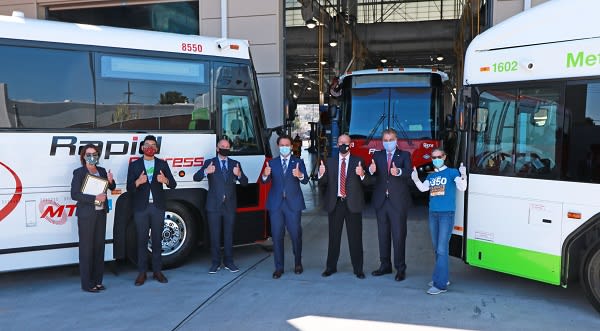
At the same time as retiring its diesel fleet, San Diego MTS is also added two GILLIG zero-emission battery electric buses, upping the agency’s total to eight.
San Diego MTS
The San Diego Metropolitan Transit System (MTS) hit a major clean-air milestone: retiring the last of its diesel buses and adding two more electric buses to its fleet.
“MTS retiring the last of its diesel buses from its fixed-route fleet is a monumental leap forward in air quality,” said Nathan Fletcher, MTS Board chair and chair, San Diego County Board of Supervisors. “It represents our commitment to environmental justice, sustainability, air quality and to being one of the leaders nationally in achieving these ambitious environmental standards.”
Replacing the last diesel buses will be 24 compressed natural gas (CNG) express commuter buses built by Motor Coach Industries (MCI).
“Not only do the new MCI CNG buses offer an improved riding experience for our customers, we get substantially better air quality results from them as well,” said Sharon Cooney, MTS CEO. “There will be a 100-percent reduction in particulate matter, and a 98-percent reduction in NOx emissions over the diesel counterparts.”
The new express commuter buses will offer 57 forward-facing seats, are designed for highway speeds, and offer touring class comfort and safety. The vehicles will operate out of MTS’ East County Division in El Cajon, serving passengers on the Rapid Express 280 (Escondido-Downtown San Diego) and Rapid Express 290 (Rancho Bernardo-Downtown San Diego).
“Today, we’re proud to support the San Diego MTS in achieving this low-emission milestone,” said Chris Stoddart, president, New Flyer and MCI. “MTS has long pioneered sustainable mobility, having been the first agency in America to adopt CNG into its fleet nearly 20 years ago.”
At the same time as retiring the diesel fleet, MTS also added two GILLIG zero-emission battery electric buses, upping the agency’s total to eight. MTS began its zero-emission bus pilot program in 2017, and intends to complete a full transition to 100% zero emissions fixed-route vehicles by 2040. The two California-made GILLIG buses are the first of seven to be delivered to MTS. GILLIG’s zero-emission battery-electric buses are equipped with the Cummins electrified powertrain and are supported by a nationwide service network. Built on GILLIG’s low floor platform, the buses ensure parts and training commonality with MTS’s existing GILLIG fleet. Equipped with six onboard batteries, each bus has a battery capacity of 444 kWh, providing an estimated range of 140 miles. The buses utilize energy recovered from a regenerative braking system and feature a direct-drive traction motor with peak torque of 3500 Nm (2,582 lbs.-ft.).
“We are excited to partner with the San Diego Metropolitan Transit System as they work towards their Innovative Clean Transit goal of a 100-percent zero-emission fleet by 2040,” said Bill Fay, GILLIG VP of sales. “The new battery-electric buses support MTS’s commitment to excellent service and cleaner air for the communities they serve, and GILLIG is proud to be a part of this step forward.”
More Zero Emissions
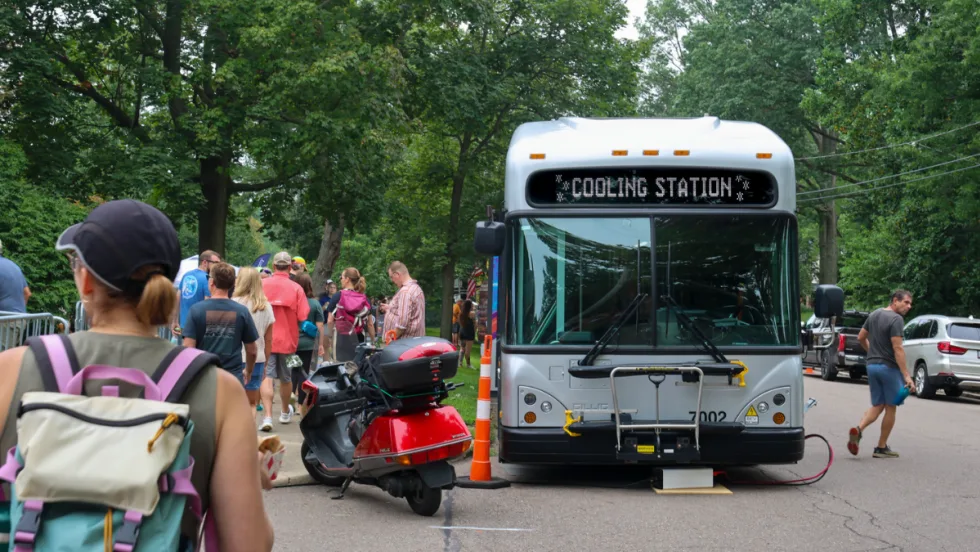
Ohio’s METRO RTA Turns Electric Buses into Mobile Power Sources at PorchROKR
See how three Gillig battery-electric buses powered festival stages while the agency’s new Park & Ride service carried approximately 1,000 attendees, demonstrating another potential use for transit agencies’ electric fleets.
Read More →
CALSTART and Forth Combine to Form Catalyst Mobility
The new name represents a renewed vision for the nonprofit focused on advancing clean, equitable, and affordable transportation solutions that move people and goods.
Read More →
Building a Flexible Path to Transit Electrification
John Hroncich discusses BAE Systems’ modular and scalable approach, lessons learned from decades of real-world operations, and how agencies can identify electrification strategies that fit their fleets.
Read More →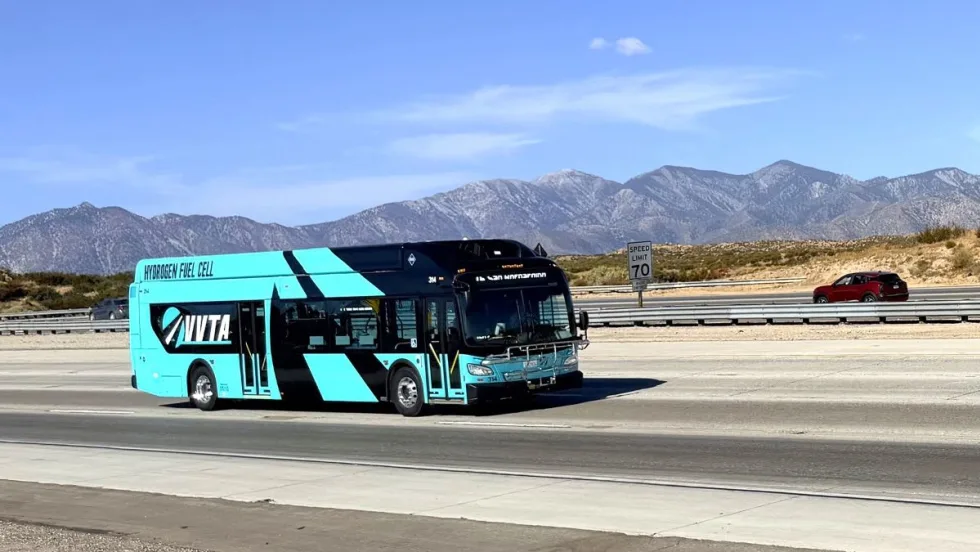
California's VVTA Begins Phased Rollout of Hydrogen Fuel Cell Buses
The agency is introducing 13 zero-emission buses into revenue service while evaluating performance across its urban, rural, and long-distance routes.
Read More →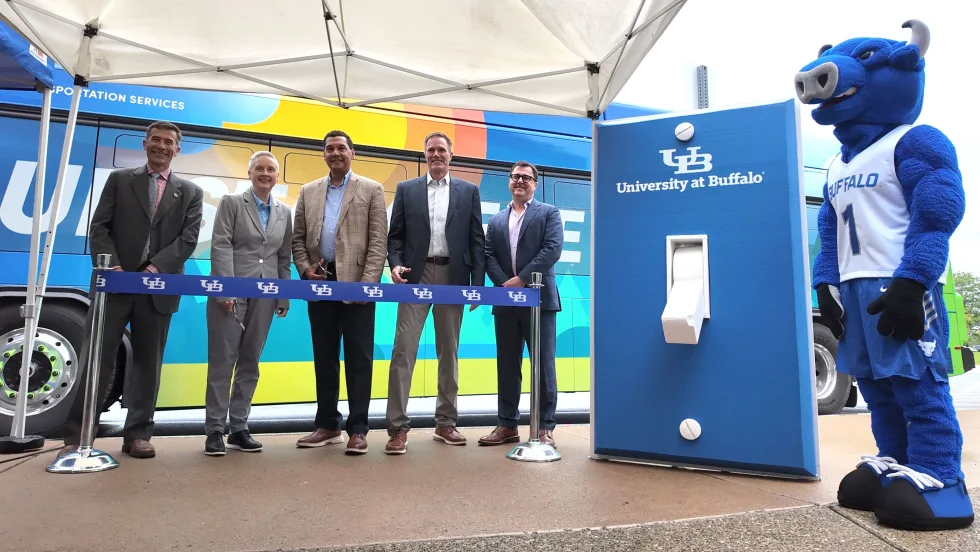
Inside Look: University at Buffalo Puts First 8 Electric Buses Into Stampede Service
UB, transportation solutions provider WeDriveU, and fleet electrification specialist Zenobē marked the deployment in the presence of students, university administrators, and local officials.
Read More →
Biz Briefs: OCTA Taps Clean Energy for Hydrogen Station, Stadler to Supply Via Rail Vehicles, and More
From manufacturers and suppliers to transit agencies and motorcoach operators, these updates offer a snapshot of the projects, partnerships and business moves driving the industry forward.
Read More →
AC Transit’s Cecil Blandon on Building the Next Generation of Transit Maintenance Leaders
The agency’s maintenance chief discusses leadership, workforce development, zero-emission technology, and preparing technicians for the future of public transportation.
Read More →
CTDOT Taps STV for Electric Bus Facility Design
The firm will work with CTDOT and RVT to define the facility layout, operational requirements, and long-term flexibility for RVT’s growing electric fleet.
Read More →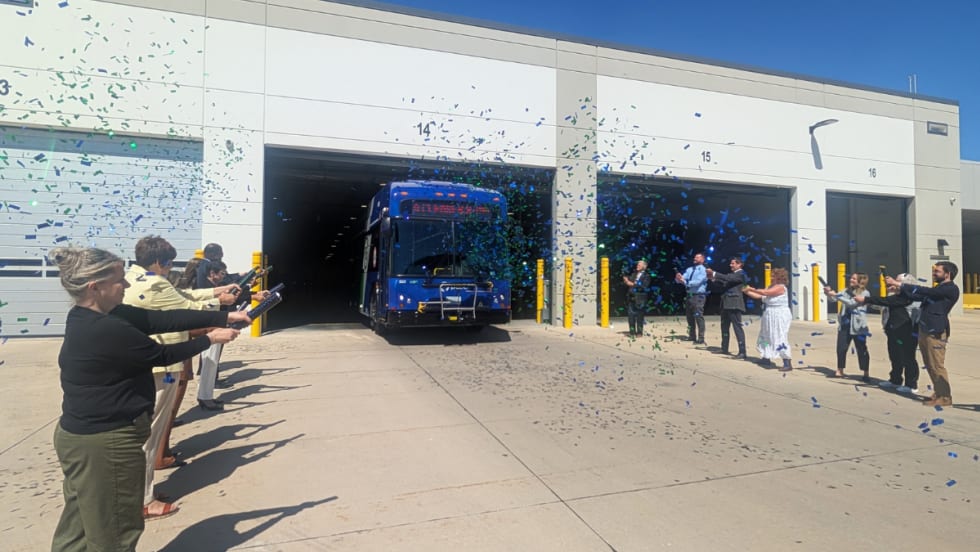
Chicago’s Pace Deploys 24 Hybrid-Electric Buses in Will County
The new buses reduce emissions and fuel consumption while advancing the agency's long-term goal of transitioning to a fully zero-emission fleet.
Read More →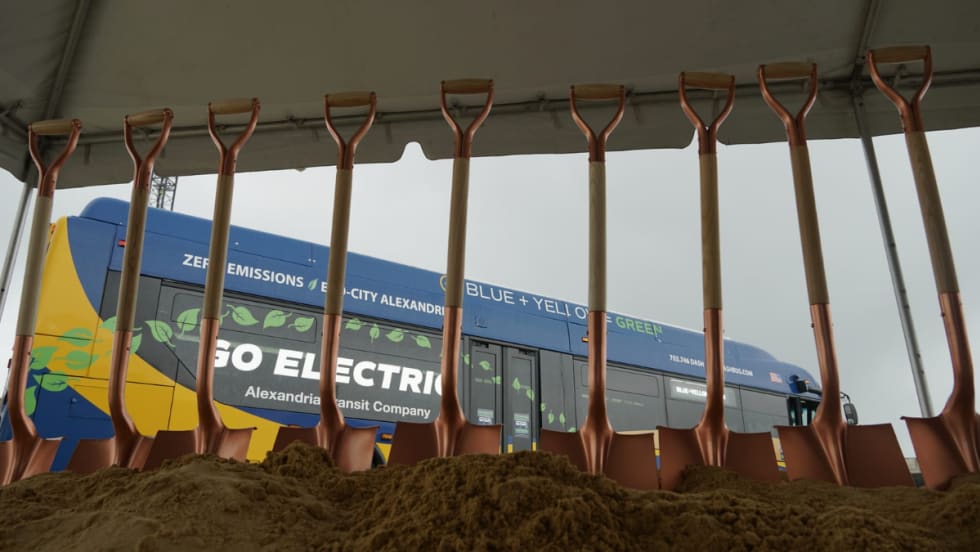
DASH Breaks Ground on First On-Route Electric Bus Chargers in D.C. Region
The fast-charging infrastructure will help extend electric bus range, improve fleet utilization, and support DASH's goal of transitioning to a fully zero-emission fleet.
Read More →