



San Diego's MTS Approves Electric Bus Transition Plan
State regulations require public transit agencies to gradually transition to all-zero emission bus fleets by 2040.

MTS currently has six electric buses operating out of its divisions in downtown San Diego and East County.
San Diego MTS
San Diego’s Metropolitan Transit System (MTS) made a commitment to reduce greenhouse gas emissions, with its board unanimously approving a transition plan to convert all the agency’s 800 buses to zero emissions by 2040.
The transition plan will now be sent to the California Air Resources Board for certification. State regulations require public transit agencies to gradually transition to all-zero emission bus (ZEB) fleets by 2040.
“MTS has been testing six electric buses in revenue service over the past 10 months and we’ve been very pleased with their performance,” said Sharon Cooney, MTS CEO. “The performance data makes us confident that we can make a transition to an entire fleet of zero emissions buses over the next 19 years and continue to provide the highest quality of service our passengers expect and deserve.”
The ZEB transition plan approved by the MTS Board will serve as the agency’s blueprint to get all vehicles in the fleet to zero-emissions. Some key components of the plan include:
Emissions Reductions: Transition will cut the agency’s greenhouse gas emissions by approximately 43% over the next 19 years (this includes CO, VOC, NOx, PM 2.5, and PM 10).
25% Early Adoption: MTS will roll back the planned purchase of five CNG-powered buses in 2021 and purchase electric buses instead.
Cost: The full transition is estimated to cost $851 million over the next 19 years, and approximately $185 million to acquire land and build a new facility to accommodate additional electric buses needed to continue the current level of service.
Disadvantaged Community (DAC) Priority: MTS will prioritize zero-emission bus implementation in DACs, which often experience the most negative impacts of greenhouse gas emissions and environmental health.
Overhead Gantry System: The agency will build one of the first-in-the-nation overhead gantry system to automate charging, take advantage of off-peak and super-off-peak charging, and maximize space at its existing bus yards, which are already at capacity.
Electric and Hydrogen: The agency is planning to utilize a mix of battery-electric and hydrogen fuel-cell technologies to meet service range needs.
2028: The last year a CNG-powered bus will be purchased by MTS
MTS currently has six electric buses operating out of its divisions in downtown San Diego and East County. The agency will receive two more electric buses later this year. The electric buses have an average estimated usable range of 150 miles per charge. Many MTS bus routes are 150 miles or less, making them appropriate for this transition. Today, MTS’ 40- and 60-foot fixed route buses are fueled by CNG.
More Zero Emissions
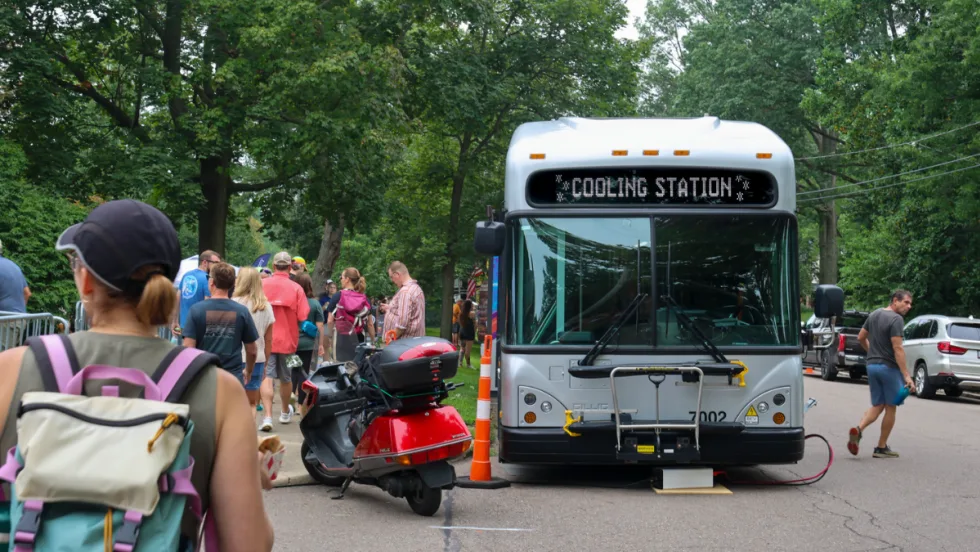
Ohio’s METRO RTA Turns Electric Buses into Mobile Power Sources at PorchROKR
See how three Gillig battery-electric buses powered festival stages while the agency’s new Park & Ride service carried approximately 1,000 attendees, demonstrating another potential use for transit agencies’ electric fleets.
Read More →
CALSTART and Forth Combine to Form Catalyst Mobility
The new name represents a renewed vision for the nonprofit focused on advancing clean, equitable, and affordable transportation solutions that move people and goods.
Read More →
Building a Flexible Path to Transit Electrification
John Hroncich discusses BAE Systems’ modular and scalable approach, lessons learned from decades of real-world operations, and how agencies can identify electrification strategies that fit their fleets.
Read More →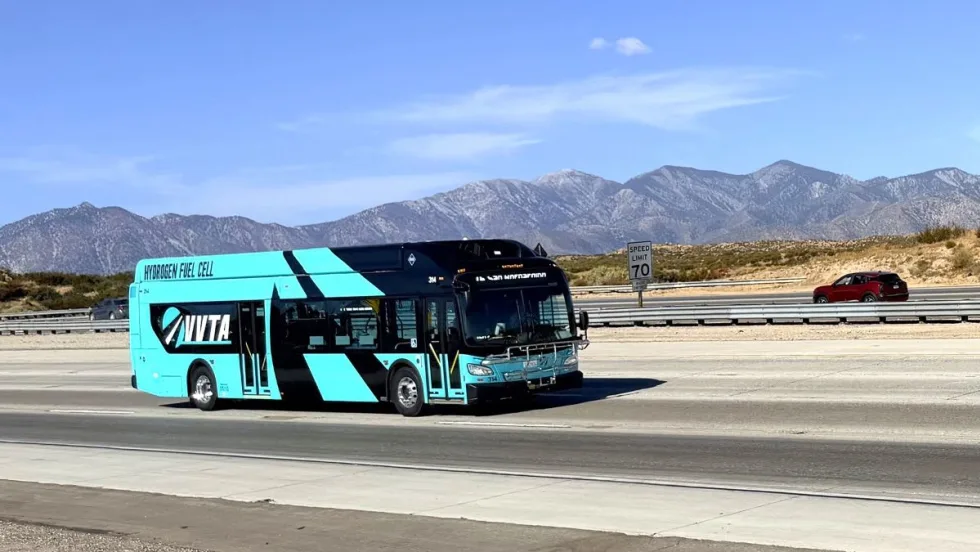
California's VVTA Begins Phased Rollout of Hydrogen Fuel Cell Buses
The agency is introducing 13 zero-emission buses into revenue service while evaluating performance across its urban, rural, and long-distance routes.
Read More →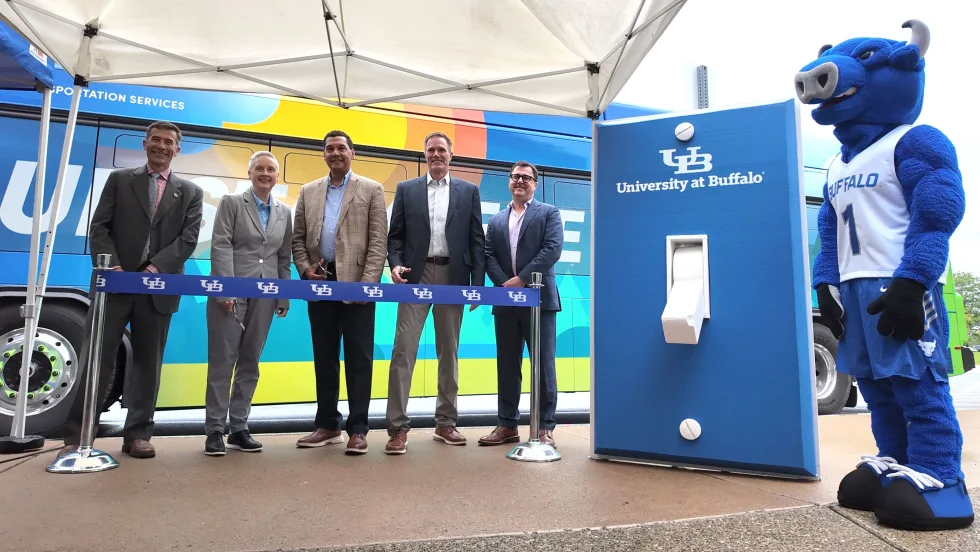
Inside Look: University at Buffalo Puts First 8 Electric Buses Into Stampede Service
UB, transportation solutions provider WeDriveU, and fleet electrification specialist Zenobē marked the deployment in the presence of students, university administrators, and local officials.
Read More →
Biz Briefs: OCTA Taps Clean Energy for Hydrogen Station, Stadler to Supply Via Rail Vehicles, and More
From manufacturers and suppliers to transit agencies and motorcoach operators, these updates offer a snapshot of the projects, partnerships and business moves driving the industry forward.
Read More →
AC Transit’s Cecil Blandon on Building the Next Generation of Transit Maintenance Leaders
The agency’s maintenance chief discusses leadership, workforce development, zero-emission technology, and preparing technicians for the future of public transportation.
Read More →
CTDOT Taps STV for Electric Bus Facility Design
The firm will work with CTDOT and RVT to define the facility layout, operational requirements, and long-term flexibility for RVT’s growing electric fleet.
Read More →
Chicago’s Pace Deploys 24 Hybrid-Electric Buses in Will County
The new buses reduce emissions and fuel consumption while advancing the agency's long-term goal of transitioning to a fully zero-emission fleet.
Read More →
DASH Breaks Ground on First On-Route Electric Bus Chargers in D.C. Region
The fast-charging infrastructure will help extend electric bus range, improve fleet utilization, and support DASH's goal of transitioning to a fully zero-emission fleet.
Read More →