




RELATED: San Joaquin RTD opens first 100% electric bus route in U.S.
San Joaquin RTD named outstanding public transportation system
Despite necessary service reductions, RTD consistently delivered innovative and high-quality services.
August 8, 2018

San Joaquin Regional Transit District employees and customers celebrate the August 2017 launch of the agency's electric bus route, the first 100% electric bus route in the U.S. Photo: SJRTD
2 min to read
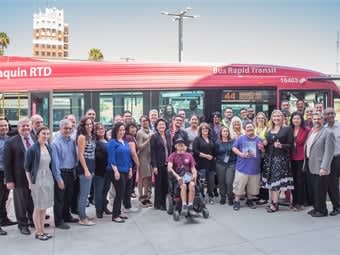
San Joaquin Regional Transit District employees and customers celebrate the August 2017 launch of the agency's electric bus route, the first 100% electric bus route in the U.S. Photo: SJRTD
San Joaquin Regional Transit District (RTD) has been named the 2018 Outstanding Public Transportation System Achievement Award winner by the American Public Transportation Association (APTA). The agency was recognized in the category for systems providing four million or fewer annual passenger trips.
RTD has garnered national attention for its achievements in environmental sustainability, forward-thinking business practices, and infrastructure development.
Despite a severely reduced operating budget due to serious, well-known economic
challenges over the last ten years in Stockton, RTD has consistently delivered
innovative and high-quality services even with necessary service reductions.
“All of us here at RTD are very honored to have received the most prestigious award given in our industry,” said RTD CEO Donna DeMartino. “There are 285 employees on the RTD team. They do their best to provide extraordinary customer service and make RTD the transportation service of choice for the residents we serve. Winning this award required contributions from every one of them and reflects their successful efforts.”
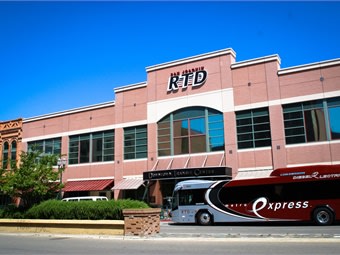
San Joaquin Regional Transit District (RTD) is the regional transit provider for San
Joaquin County, Calif. Photo: San Joaquin RTD
During the long economic crisis in Stockton, the transit agency was able to deliver important capital investments in the community such as the Downtown Transit Center and Regional Transit Center, a new fleet of environmentally-friendly buses, and four new bus rapid transit (BRT) corridors.
RTD’s commitment to the environment can be seen in its fleet. RTD was one of the
first transit agencies in the U.S. to test hybrid and all-electric buses. In 2017,
Stockton made history when RTD’s third BRT Corridor became the first all-electric
BRT Corridor in the nation. RTD’s Board of Directors recently passed a resolution to convert the entire Stockton area bus fleet to all-electric by 2025.
RTD has introduced a Transit Ambassador Program, unique brand mascots, new fare-vending machines and mobile ticketing technology, and improved customer service software and applications to make the customer experience better and provide exceptional customer service through innovation.
More Management

Utilimarc Launches SmartReplace to Optimize Fleet Replacement Decisions
AI-powered SmartReplace helps fleets prioritize vehicle replacements, model budget scenarios, and build more defensible long-term strategies.
Read More →
APTA Honors 2026 Award Winners, Hall of Fame Inductees at TRANSform & EXPO
Innovations in autonomous and zero-emission transportation, standout transit systems, and industry leadership took center stage among this year's honorees.
Read More →
7 Ways to Build a Better Transit Internship Program
Lessons from DRPA/PATCO’s approach to creating a meaningful internship experience—and developing the next generation of transportation professionals.
Read More →
Scenes from APTA TRANSform & EXPO 2026
Transit leaders, manufacturers, and industry professionals gathered in Chicago to explore new technologies, share ideas, and discuss the future of public transportation.
Read More →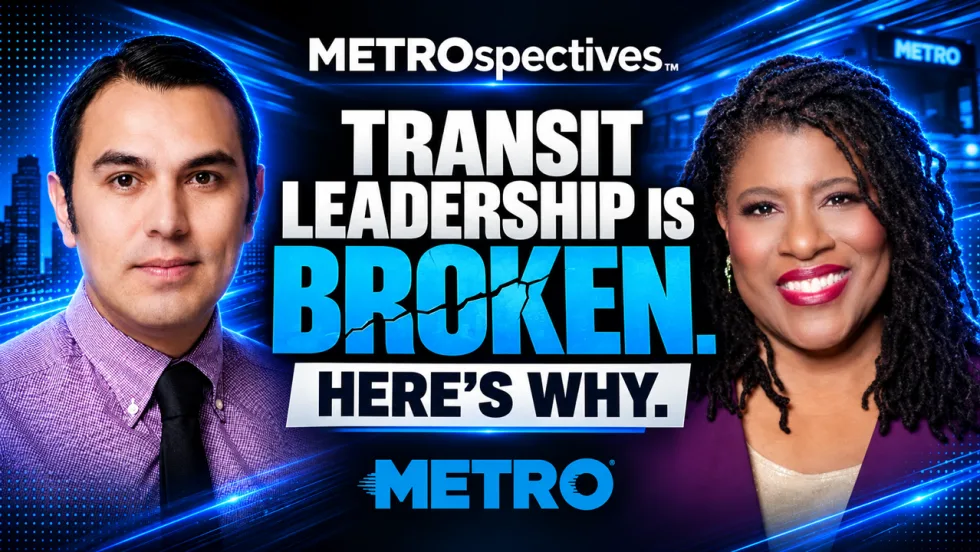
Building Stronger Leaders, More Resilient Transit Teams
Dr. Carol Parker Walsh discusses leadership development, employee retention, workplace culture, and preparing transit’s workforce for AI and automation.
Read More →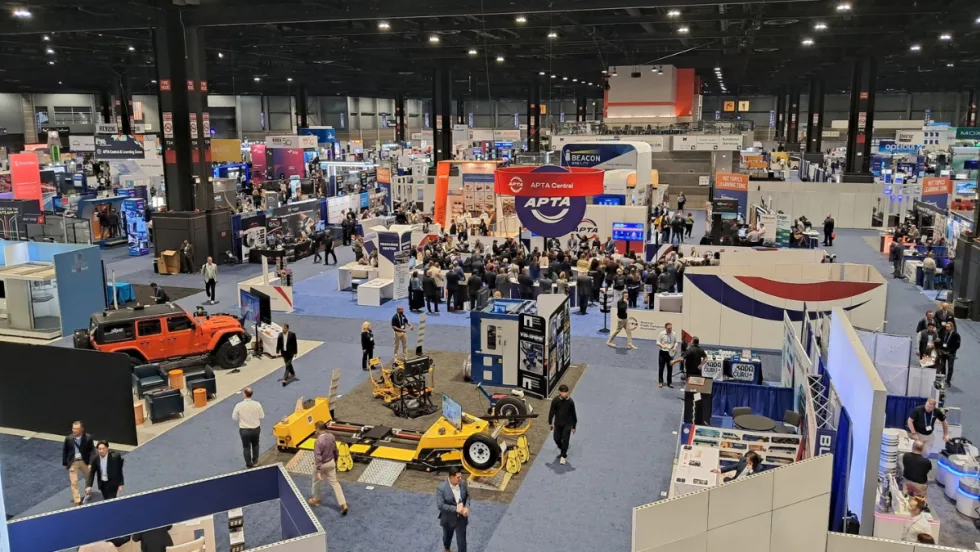
APTA 2026 TRANSform & EXPO Kicks Off in Chicago
After 45 years, APTA returns to Chicago with a focus on next-generation fleets, AI, connected transit networks, and the funding strategies shaping public transportation’s future.
Read More →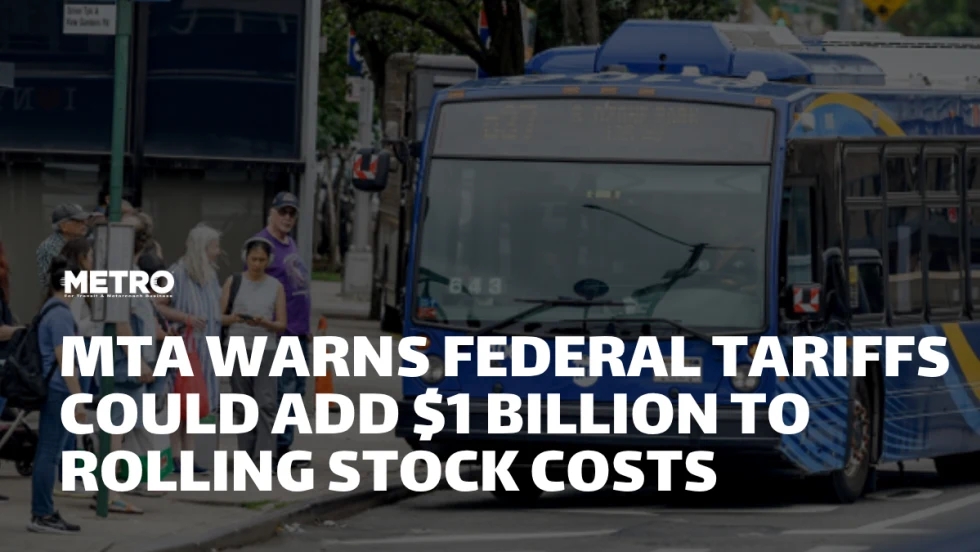
New York MTA Warns Federal Tariffs Could Add $1 Billion to Rolling Stock Costs
The agency said tariffs on specialized imported components could reduce the purchasing power of its $23 billion investment in new subway cars, railcars, and buses.
Read More →
From the Show Floor: What Happened at APTA TRANSform & EXPO 2026
See the latest product launches, partnerships, technology updates, and transit industry announcements from APTA TRANSform & EXPO in Chicago.
Read More →
How Valley Metro Is Balancing Transit Growth With the Rider Experience
The APTA award-winning agency is pairing rapid system expansion with investments in workforce, safety, technology, and the fundamentals of transit service.
Read More →
Bus Tech Talk: Keeping Transit Technicians Ahead of the Technology Curve
In this episode of Bus Tech Talk, Complete Coach Works’ Business Development Manager Mark Hollenbeck and METRO’s Executive Editor Alex Roman sit down with Obed Mejia, Senior Technical Trainer for Bus Maintenance, at LA Metro to discuss how rapidly evolving bus technology is changing the maintenance shop — and the skills technicians need to keep pace.
Read More →