




Just In: SEPTA Releases Fiscal Year 2024 Operating Budget
SEPTA Releases 2024 Capital Budget, 12-Year Program
The proposed Capital Budget is $976 million, while the proposed 12-Year Program represents SEPTA’s largest-ever investment in the system.
April 11, 2023
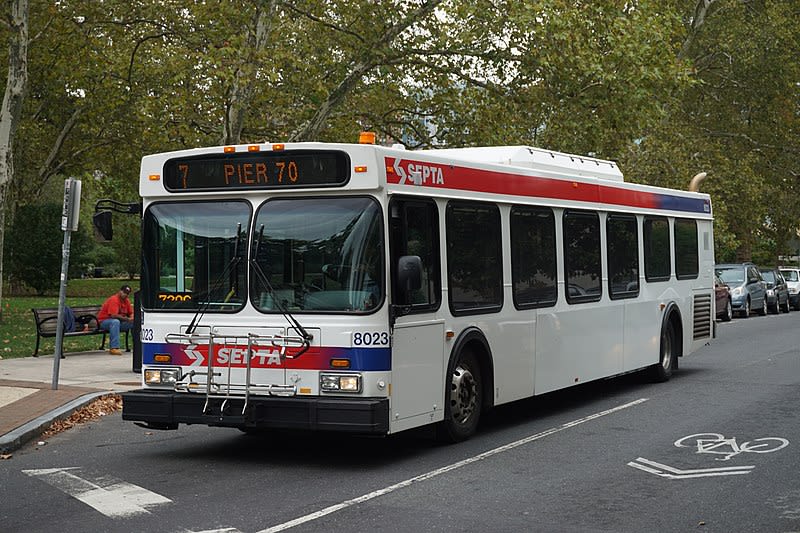
Guided by SEPTA Forward, the Authority’s Strategic Plan, the recent proposal lays out SEPTA’s vision for continuing infrastructure improvements and advancing projects of significance for the region.
Photo: Michael Barera/Wikimedia Commons (CC BY-SA 4.0)
2 min to read
SEPTA released its proposed Fiscal Year 2024 Capital Budget and 12-Year Program.
The proposed Capital Budget is $976 million, while the proposed 12-Year Program represents SEPTA’s largest-ever investment in the system at $12.6 billion, according to the agency's news release.
There will be two public hearings about the Capital Budget, with sessions on May 10 at 10 a.m. and 4 p.m. For the first time in four years, SEPTA will offer an in-person option for public participation at the hearings, which will be held at SEPTA Headquarters. Participation will also continue to be offered virtually. The SEPTA Board will consider the proposal at its June meeting. If approved, it will go into effect with the start of Fiscal Year 2024 on July 1.
Guided by SEPTA Forward, the Authority’s Strategic Plan, this proposal lays out SEPTA’s vision for continuing infrastructure improvements and advancing projects of significance for the region.
“Investing in transit is an investment in our climate; equitable access to opportunities; public health and safety; and economic strength,” said Leslie S. Richards, SEPTA GM/CEO. “We are grateful to our elected officials for recognizing this and delivering the capital funding we need to create a transit system that works for everyone.”
This Capital Program advances several SEPTA Forward initiatives, including:
Trolley Modernization: $1.63 billion for vehicle acquisition and infrastructure upgrades.
Market-Frankford Line Railcar Replacement: $950 million for vehicle acquisition, infrastructure upgrades, and a new signal system.
Regional Rail Fleet Replacements: $650 million to initiate the replacement of 50-year-old railcars.
Wayfinding Improvements: $40 million for signage, real-time information, and website/mobile app upgrades.
State of Good Repair & Safety: $3.6 billion to rehabilitate and modernize the legacy system for a state of good repair.
Accessibility for All: Nearly $1 billion to provide full ADA accessibility at 45 Rail Transit & Regional Rail stations over the next 12 years. By the end of this 12-year program, 100% of subway/elevated and trolley stations will be ADA accessible.
Bus Revolution: $163 million for end-of-line facilities and transit prioritization improvements.
“Despite higher-than-ever funding levels, we are still not keeping up with our peers or even our own backlog of needs,” said Richards. “SEPTA still requires additional state and local resources to maximize billions of dollars in federal competitive funds that are available under the IIJA. We are determined not to leave any money on the table.”
More Management

METRO Opens Submissions for 2026 Motorcoach Awards
Nominations are now being accepted for METRO Magazine’s Operator of the Year and Innovative Operator of the Year awards.
Read More →
New York MTA Advances Final Contract for Second Avenue Subway Expansion
Contract Four is the largest in the Second Avenue Subway Phase 2 project and includes construction of station infrastructure, tracks, and signals for the subway expansion, MTA officials said. Work on Contract Four will begin in 2027.
Read More →
Transit Agencies Highlight Safety Gains at National Summit
Leaders from 15 major transit systems shared crime-reduction results and safety initiatives while discussing the role of continued federal support.
Read More →

NITA Names New Leadership, Expands Reduced-Fare Program at First Board Meeting
The new regional transit authority appointed its first board chair and interim executive director while extending reduced fares across CTA, Metra, and Pace for eligible riders.
Read More →
Beyond the Checklist: A Structured Approach to Transit Maintenance
Reliability-Centered Maintenance helps transit agencies move beyond routine checklists to focus limited resources on the assets and failures that have the greatest impact on safety, reliability, and service.
Read More →
APTA 2026 Nominating Committee Selects Leadership Slate, Names Chair and Vice Chair Nominees
Leadership changes will help shape the association’s priorities and its representation of the transportation industry during the 2026–2027 term.
Read More →
DART Launches Major Security, Fare Enforcement Initiative
The 90-day demonstration will deploy coordinated security teams at five light rail stations while testing controlled access and gathering data to guide future investments.
Read More →
Sponsored•September 9, 2026
Advancing Fare Collection Through Technology and Innovation
Learn about delivering 1300 gates at 91 stations while managing fare evasion. Explore the large scale deployment, solution customization and real-world results that affect the region. Prepare for deployment in your region now.
Read More →
Game Day in Motion: Moving Millions During the 2026 World Cup
Between packed transit stations and team motorcoaches, see how agencies and operators across North America tackled the transportation demands of the 2026 FIFA World Cup.
Read More →
Surface Transportation Extension Averts Shutdown, Leaves Transit Funding Gap
The stopgap keeps federal transportation programs moving, but missing advance funding could complicate the transit and rail projects agencies are planning next.
Read More →