




More News: Chicago Completes Accessibility Improvements at 100 Bus Stops
Signs for Manhattan’s Congestion Relief Zone Unveiled
New York City’s Central Business District Tolling Program has gone into effect with new signs marking the congestion relief zone.
January 6, 2025
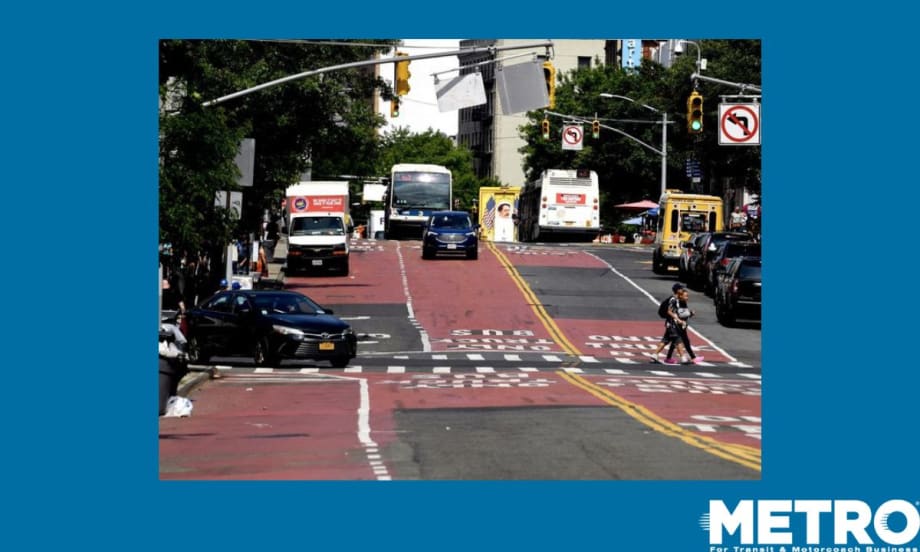
New York City is trying to tackle traffic congestion by implementing a congestion relief toll in one of their busiest districts.
Photo: Marc A. Hermann
2 min to read
The New York Metropolitan Transportation Authority (MTA) Chair and CEO Janno Lieber was joined by elected officials, transportation advocates and other supporters to unveil signs informing motorists that they are entering the congestion relief zone. The zone is part of the nation’s first congestion pricing program which New York City recently implemented.
New York’s Central Business District Tolling Program went into effect on Jan. 5, and is a first in the nation approach to reducing car traffic in one of the world’s most heavily gridlocked areas.
E-ZPass Toll Discount
Motorists using E-ZPass will pay a $9 toll to enter Manhattan south of 60th Street during the peak period and $2.25 overnight. Tolls for those not using E-ZPass are higher.
Motorists with valid E-ZPass tags will automatically be given a peak period discount at the Lincoln, the Holland, the Queens-Midtown, and Hugh L. Carey Tunnels. MTA encourages motorists who are not enrolled in E-ZPass to enroll today for toll savings and tunnel discounts.
Improving Transit with Toll Income
The toll is expected to reduce traffic in the Manhattan Central Business District by approximately 80,000 fewer vehicles entering the zone daily, leading to improved traffic flow, better air quality, and reduced traffic accidents.
Money generated by the toll will provide $15 billion toward MTA capital projects, improving New York’s quality of life and economy by making subway stations accessible to all in accordance with the Americans with Disabilities Act. Hundreds of new commuter rail cars and zero emission busses will be purchased, and subway signals will be upgraded on key corridors to enable more frequent and reliable subway service.
More information on the toll rates and qualifications for a limited number of discounts or exemptions can be found here.
More Management
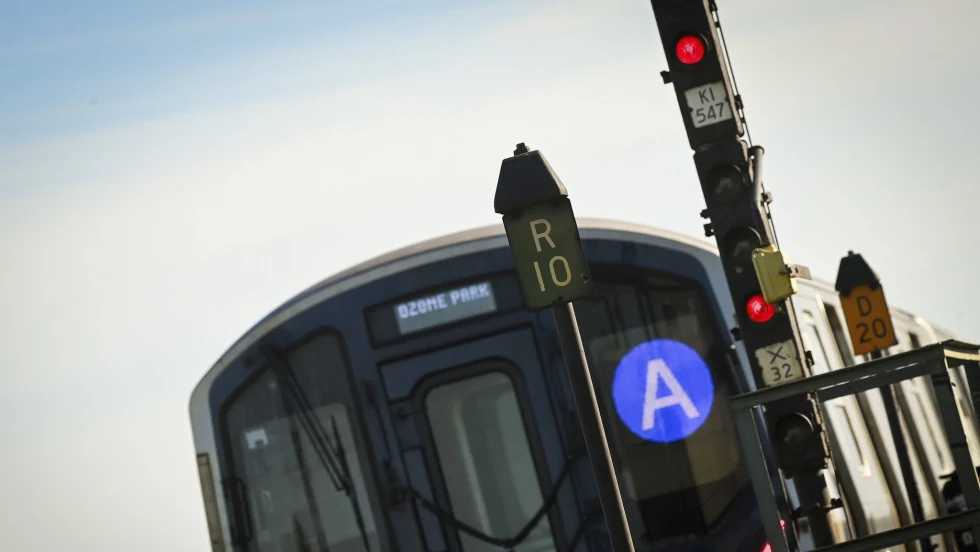
New York MTA Launches Historic $1.9B Signal, Track Modernization Project
Funded in part by congestion pricing revenue, the project will replace nearly century-old signals along the A and C lines in Brooklyn and Queens.
Read More →
Brian Dickson on Building Stronger, More Resilient Transportation Organizations
Bus Business Consultants Founder Brian Dickson discusses the leadership principles, operational discipline, and strategic planning that separate transportation companies positioned for long-term success from those stuck in survival mode.
Read More →
LA Metro Breaks Ground on Vermont BRT Project
The 12.4-mile corridor is projected to serve 66,200 daily riders, reduce travel times by up to 24%, and create the nation's busiest bus rapid transit corridor.
Read More →
Building Stronger Leaders, More Resilient Transit Teams
Dr. Carol Parker Walsh discusses leadership development, employee retention, workplace culture, and preparing transit’s workforce for AI and automation.
Read More →
Roman Cornell on ABC Companies’ Evolution and the Future of Passenger Transportation
The company’s CEO discusses carrying forward a third-generation family legacy, ABC’s continued evolution in passenger transportation, support for increasingly complex fleets, and how technology and continued investment could help operators improve uptime.
Read More →
CATS Launches West Charlotte Microtransit Zone, Expands Transit Services
The new microtransit zone connects residents to key destinations as Charlotte Area Transit System rolls out the first phase of its 2055 Transit System Plan.
Read More →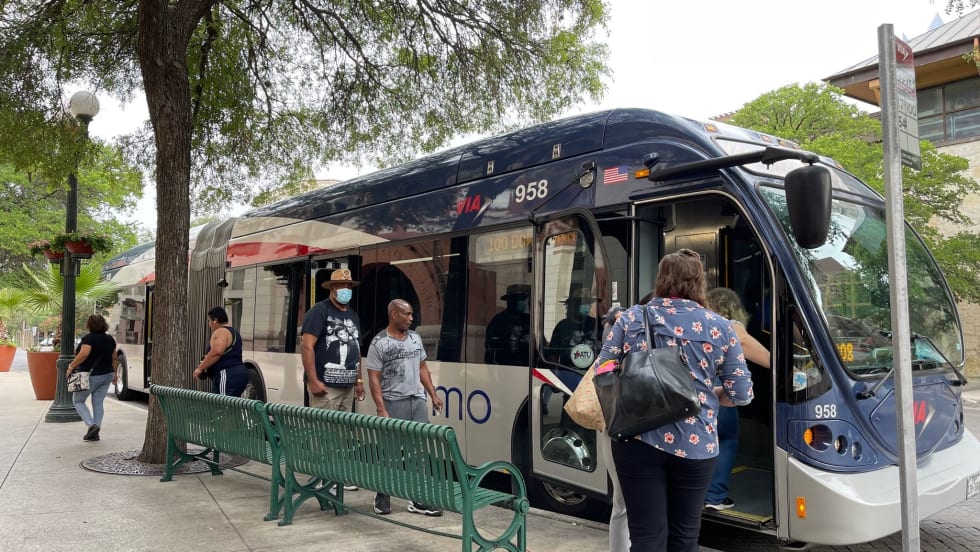
VIA Bus Ridership Grows 10.1% Through August 2026
San Antonio's VIA Metropolitan Transit reported the highest bus ridership growth among major Texas transit systems. Federal Transit Administration data ranked it second among the nation's 50 largest transit systems.
Read More →
CSA Group Releases Climate Resilience Standard for Transit, Passenger Rail
Developed with support from the Standards Council of Canada, CSA D700 guides assessing climate-related risks and planning adaptation measures for transit and passenger rail systems.
Read More →
ETA CEO John Maglio on Transit Technology, Innovation, and Building Agency Trust
ETA founder and CEO John Maglio explores the evolution of transit technology, the importance of reliable systems, and how stronger partnerships can help agencies improve operations and the passenger experience.
Read More →
COTA Launches First Customer Experience Action Plan to Improve Transit Service
The new plan outlines improvements to service reliability, accessibility, communication, and the overall rider experience across Central Ohio's transit system.
Read More →