



TransLink Releases Climate Action Plan
In January 2022, TransLink adopted its first-ever Climate Action Strategy, putting the transportation authority on the path to net-zero emissions by 2050 and a 45% reduction in greenhouse gases by 2030.


Given recent extreme weather events over the past two years, TransLink’s Climate Action Plan accelerates climate action by detailing the steps to creating a climate-resilient and net-zero emissions public transit system throughout Metro Vancouver.
TransLink
Vancouver’s TransLink released its Climate Action Plan, which outlines steps over the next three years to help the organization achieve net-zero emissions by 2050. The plan includes rapidly expanding TransLink’s battery-electric bus fleet by 2025.
In January 2022, TransLink adopted its first-ever Climate Action Strategy, putting the transportation authority on the path to net-zero emissions by 2050 and a 45% reduction in greenhouse gases by 2030.
“While only one per cent of greenhouse gas emissions comes from public transit, we know it’s important to do our part to combat climate change,” said TransLink CEO Kevin Quinn. “Our aim is to reduce our emissions to zero, while also reducing the number of cars on the road; that’s why we’re taking these bold steps to demonstrate our leadership on the path to reaching net-zero.”
The Climate Action Plan focuses on short-term actions to address the climate crisis and advance the overall strategy, including:
Expanding the battery-electric bus fleet from four to 155 by late 2025 and installing new charging infrastructure to support.
Designing and constructing the new Marpole Transit Centre by 2027 to serve 350 battery-electric buses.
Renovating the Hamilton, Port Coquitlam, and Burnaby transit centers to charge and store battery-electric buses.
Developing risk responses, design guidelines, and new programs to make transit infrastructure more resilient to climate impacts.
“Our government is committed to expanding and accelerating the development of public transit, shifting away from fossil fuels, and building healthy, accessible communities for everyone,” said BC Minister of Environment and Climate Change Strategy and Minister responsible for TransLink George Heyman. “This Climate Action Plan is a key component of TransLink’s long-term approach to building climate resilient public transit and accelerating climate action right away, building to the goal of net-zero operations by 2050.”
Given recent extreme weather events over the past two years, TransLink’s Climate Action Plan accelerates climate action by detailing the steps to creating a climate-resilient and net-zero emissions public transit system throughout Metro Vancouver.
Key long-term goals from the previously released Climate Action Strategy include:
Reaching net-zero emissions in all operations by 2050.
Zero emissions in all bus operations by 2040.
Adding over 460 battery-electric buses to the transit system by 2030.
Forty-five percent reduction in greenhouse gases by 2030, relative to 2010 levels.
More Zero Emissions
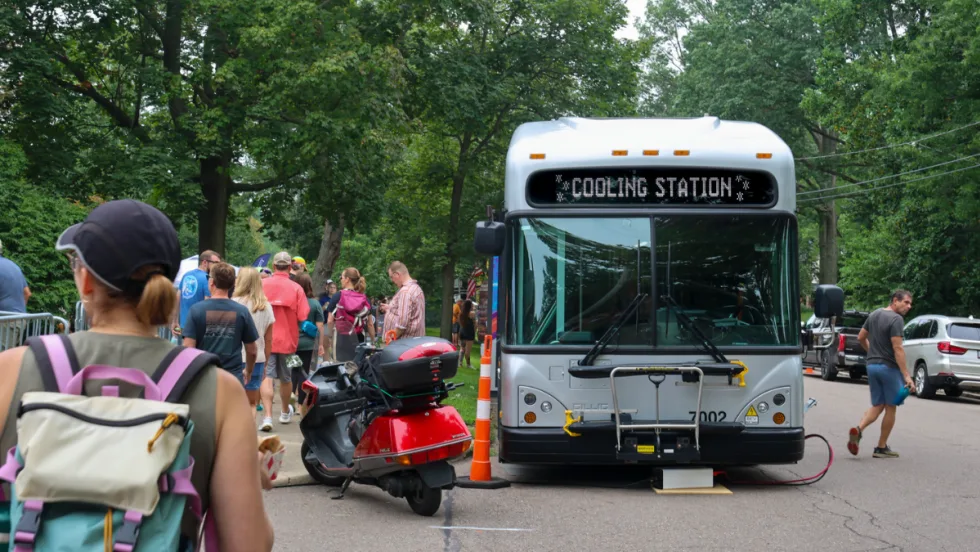
Ohio’s METRO RTA Turns Electric Buses into Mobile Power Sources at PorchROKR
See how three Gillig battery-electric buses powered festival stages while the agency’s new Park & Ride service carried approximately 1,000 attendees, demonstrating another potential use for transit agencies’ electric fleets.
Read More →
CALSTART and Forth Combine to Form Catalyst Mobility
The new name represents a renewed vision for the nonprofit focused on advancing clean, equitable, and affordable transportation solutions that move people and goods.
Read More →
Building a Flexible Path to Transit Electrification
John Hroncich discusses BAE Systems’ modular and scalable approach, lessons learned from decades of real-world operations, and how agencies can identify electrification strategies that fit their fleets.
Read More →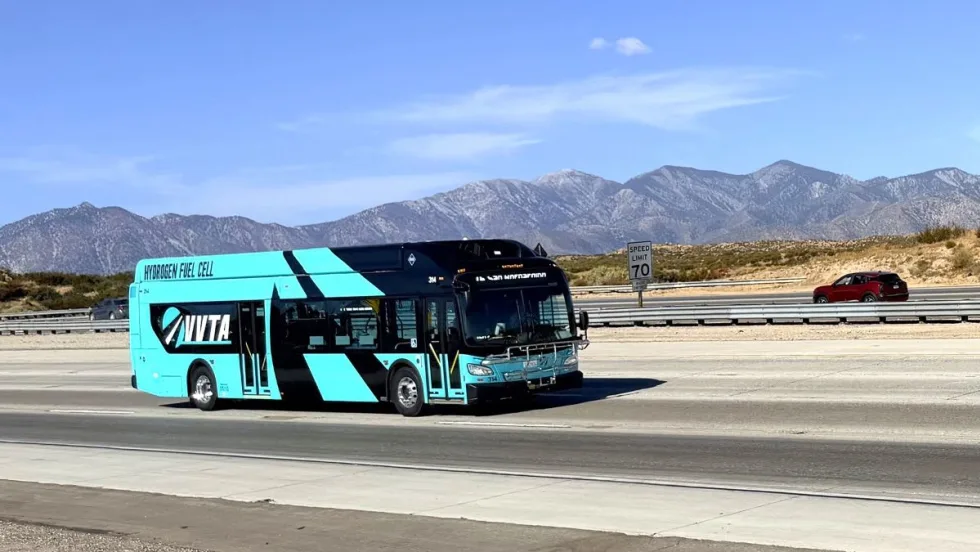
California's VVTA Begins Phased Rollout of Hydrogen Fuel Cell Buses
The agency is introducing 13 zero-emission buses into revenue service while evaluating performance across its urban, rural, and long-distance routes.
Read More →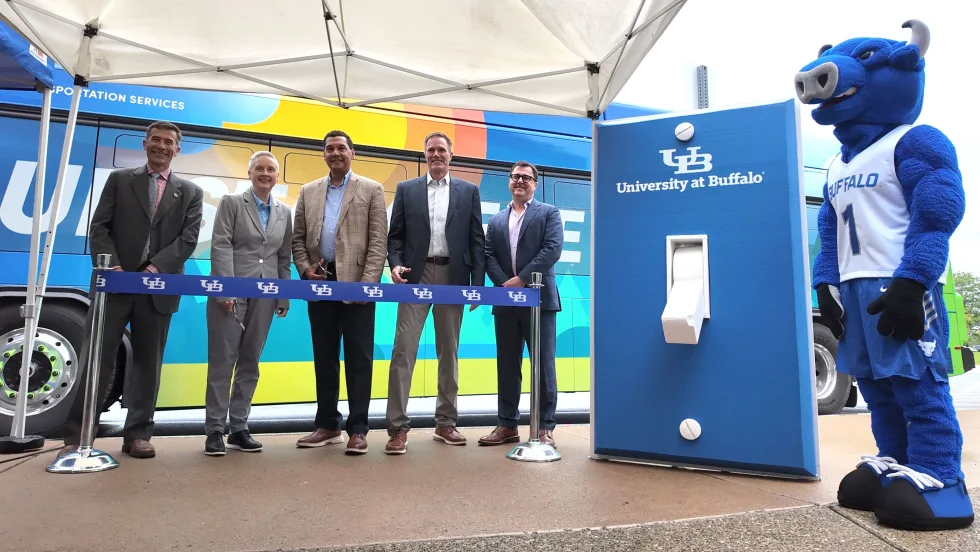
Inside Look: University at Buffalo Puts First 8 Electric Buses Into Stampede Service
UB, transportation solutions provider WeDriveU, and fleet electrification specialist Zenobē marked the deployment in the presence of students, university administrators, and local officials.
Read More →
Biz Briefs: OCTA Taps Clean Energy for Hydrogen Station, Stadler to Supply Via Rail Vehicles, and More
From manufacturers and suppliers to transit agencies and motorcoach operators, these updates offer a snapshot of the projects, partnerships and business moves driving the industry forward.
Read More →
AC Transit’s Cecil Blandon on Building the Next Generation of Transit Maintenance Leaders
The agency’s maintenance chief discusses leadership, workforce development, zero-emission technology, and preparing technicians for the future of public transportation.
Read More →
CTDOT Taps STV for Electric Bus Facility Design
The firm will work with CTDOT and RVT to define the facility layout, operational requirements, and long-term flexibility for RVT’s growing electric fleet.
Read More →
Chicago’s Pace Deploys 24 Hybrid-Electric Buses in Will County
The new buses reduce emissions and fuel consumption while advancing the agency's long-term goal of transitioning to a fully zero-emission fleet.
Read More →
DASH Breaks Ground on First On-Route Electric Bus Chargers in D.C. Region
The fast-charging infrastructure will help extend electric bus range, improve fleet utilization, and support DASH's goal of transitioning to a fully zero-emission fleet.
Read More →