



Intercity Bus Lines Make Big Moves, Heightening Competition and Customer Choice
Treacherous Times — but also Optimism — for Intercity Bus Lines: DePaul Study
A new study on the intercity bus industry includes a stern warning: that a major carrier (or perhaps some combination of smaller carriers), could dramatically downsize service, or even shut down entirely this coming year if demand doesn’t rebound more rapidly than now anticipated.
by Chaddick Institute at DePaul University
January 29, 2021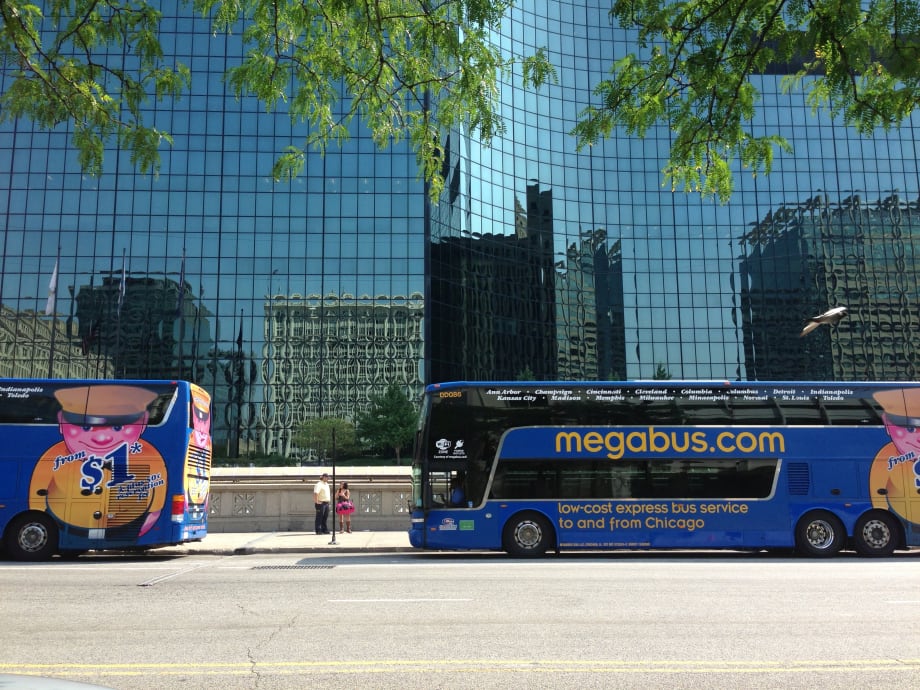
The study found that the duration of trips not involving major intercity corridors has lengthened markedly over the past several years.
Credit:
Megabus/Chaddick Institute
3 min to read
A new study on the intercity bus industry includes a stern warning: that a major carrier (or perhaps some combination of smaller carriers), could dramatically downsize service, or even shut down entirely this coming year if demand doesn’t rebound more rapidly than now anticipated.
This industry encompasses Greyhound, Megabus, Flixbus, and dozens of other scheduled operators. The DePaul University report, entitled “On the Brink: 2021 Outlook for the Intercity Bus Industry,” warns that the flow of red ink could leave many lower-income travelers who depend on bus travel stranded unless more federal support is provided to the sector.
Mixed News from Washington
The $2 billion set aside mostly for motorcoach operators in the Coronavirus Economic Relief for Transportation Services (CERTS) Act is far short of the $10 billion the American Bus Association, United Motorcoach Association, and others advocated.
The funding does come at a pivotal time and will partially close a financial gap that has left many bus lines teetering on a financial cliff. However, the study’s authors note that big problems still lie ahead, with bookings ending 2020 at only around 20% to 25% of the previous year’s levels.
The report points to signs of optimism, including a recovery in traffic likely to start around mid-July, when summer travel is in full bloom and vaccines are widely administered to all age groups.
“If carriers can sustain themselves through summer,” noted Joe Schwieterman, one of the study’s authors and DePaul University Professor, “their cash situation should gradually improve.”
Almost all universities should return to in-person classes and the downtown districts of major cities should again be returning to life.
“Although demand will not likely return to levels approaching pre-pandemic levels for several years, the warmer months will bring back a sense of normalcy to a beleaguered industry,” noted Brian Antolin, who also authored the study. Antolin adds that, “Bookings could rise toward 60 percent of pre-pandemic levels by the end of summer, roughly twice the rate we are observing now.”
Hopes for the Biden Administration
The possibility that the Biden Administration will push for a more assertive federal response to the industry’s financial losses is another source of optimism. President Biden’s anticipated support for both Amtrak and public transit leads the authors to believe that more targeted efforts to leverage the combined strength of the bus and rail systems seem probable. This could result in funding for new and enhanced downtown terminals or intermodal transportation centers, more incentives to provide bus routes into underserved areas, and more aggressive use of buses to complement Amtrak service.
Without those interventions, there could be more deterioration on the large system of bus routes supported by interline agreements that are sold on Greyhound computer reservation system available on Greyhound.com and the websites of partner carriers. The authors note that the network’s problems predate the pandemic, but they are being magnified by tepid demand during the public health emergency. “If the network further erodes, it could leave thousands of city pairs without any scheduled intercity transportation service,” Schwieterman fears.
The study found that the duration of trips not involving major intercity corridors has lengthened markedly over the past several years. This illustrates the deterioration of schedules before and during the pandemic. The study evaluated 186 secondary routes that lack direct express coach or Amtrak service. The length of the average trip on those routes increased by more than an hour between 2016 and 2021 due to the need to make more stops and have longer transfer times.
Author Crystal Bell said, “our results show why passengers who are traveling on secondary routes may now think twice before going by bus. Sustaining and improving the national network must be a priority.”
DePaul’s Chaddick Institute is having a one-hour webinar to discuss the outlook for the industry on Friday, February 19. To register or reach the study team, email chaddick@depaul.edu. To download the study, click here.
More Motorcoach

People Movement: Dan Dipert Coaches Adds Third-Generation Leader, Keolis Names New Valley Metro VP/GM, and More
In this edition, we also cover recent appointments and announcements at the Wabtec, SilverRide, HNTB, and more, showcasing the individuals helping to shape the future of transportation.
Read More →
METRO Opens Submissions for 2026 Motorcoach Awards
Nominations are now being accepted for METRO Magazine’s Operator of the Year and Innovative Operator of the Year awards.
Read More →
Biz Briefs: Alstom Lands Canadian Contract, LYT to Supply California TSP, and More
In METRO's latest installment, we take a look at recent news from Complete Coach Works, Beep, FlixBus, and more partnerships making headlines across the transportation sector.
Read More →
Biz Briefs: RIPTA Unveils New Frontrunners, Clevland RTA Adds New Siemens, and More
In METRO's latest installment, we take a look at recent news from Siemens, Prevost, Dodge, and more partnerships making headlines across the transportation sector.
Read More →
People Movement: Holly Arnold Joins Transdev and More
In this edition, we also cover recent appointments and announcements at Pace, CamTran, MCI, and more, showcasing the individuals helping to shape the future of transportation.
Read More →
ABA Report: Motorcoach Travel Generates $161.6B Economic Impact
The 2025 analysis finds motorcoach travel supported nearly 900,000 jobs and generated $28 billion in federal, state, and local taxes.
Read More →
CharterUP’s Armir Harris on Technology, AI, and the Future of Group Mobility
In a recent episode of METROspectives, CharterUP Founder/CEO Armir Harris discussed the company’s evolution from an online charter bus marketplace into a technology platform supporting public- and private-sector mobility and much more.
Read More →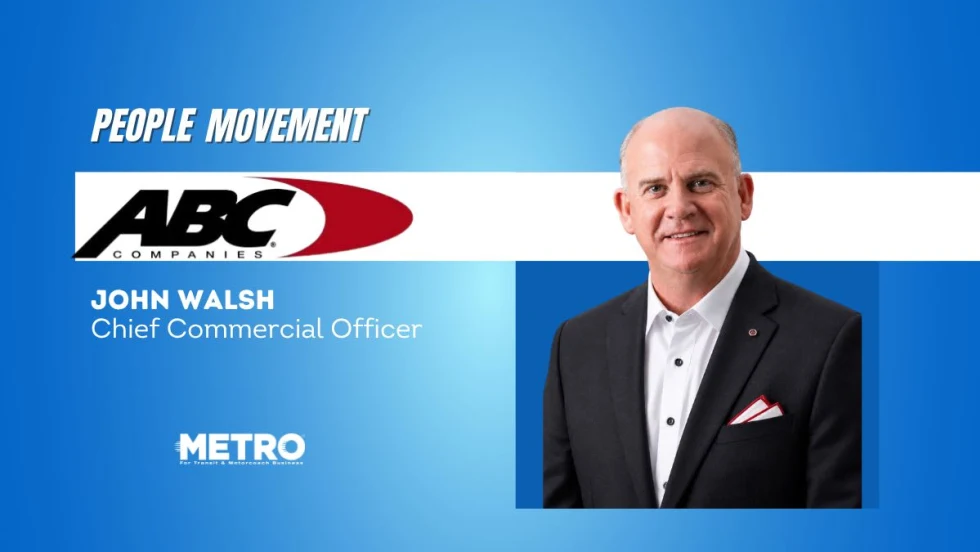
People Movement: ABC Names John Walsh as Chief Commercial Officer
In this edition, METRO also covers recent appointments and announcements at the DART, STV, and more, showcasing the individuals helping to shape the future of transportation.
Read More →
From Surviving to Thriving: Building Stronger Transportation Organizations
Bus Business Consultants founder Brian Dickson shares lessons on leadership, organizational health, and creating options for long-term success in a changing transportation industry.
Read More →
Biz Briefs: Luminator Marks Milestone and More
From manufacturers and suppliers to transit agencies and motorcoach operators, these updates offer a snapshot of the projects, partnerships and business moves driving the industry forward.
Read More →