



U.S. DOT grants $2.85 billion for Lower Manhattan
The grant includes $1.7 billion for the World Trade Center Permanent PATH Terminal under the World Trade Center site.

The U.S. Department of Transportation granted $2.85 billion in transit funding for Lower Manhattan, the first down payment to restore mass transit in the aftermath of the Sept. 11, terrorist attacks. Peter S. Kalikow, Chairman of the New York Metropolitan Transit Authority, said, "We are pleased that Governor Pataki designated these important MTA projects as priorities for 100% funding." The following grants were issued: --A $1.7 billion grant for the World Trade Center Permanent PATH Terminal--a terminal under the World Trade Center site to serve the PATH subway system and provide pedestrian connections. Prior to Sept. 11, 2001, the WTC Terminal served over 130,000 commuter trips daily. --A $750 million grant for the Fulton Street Transit Center-- a rehabilitated, enhanced, multi-level underground complex of stations to serve 12 different subway lines and over 275,000 commuter trips daily. --A $400 million grant for the South Ferry Subway Terminal--replacement of the functionally obsolete station adjacent to and under Battery Park. The project will transform the single track, five-car station that serves the 1 and 9 subway lines with a three-track, 10-car, stub end two-platform terminal, and will be located immediately adjacent to renovated Staten Island ferry. Since the Fall of 2002, the Federal Transit Administration and the Federal Emergency Management Agency have been working with New York Gov. George E. Pataki, New York Mayor Michael R. Bloomberg, and a transportation working group, have worked to identify and prioritize major transportation capital investment projects to be implemented with the available funding.
More Management

ABAF Study Reveals Growing Insurance Crisis for Motorcoach Operators
Preliminary findings show 98% of operators faced premium increases over the past five years, while shrinking insurer participation is putting added pressure on businesses and customers.
Read More →
PSTA Modernizes Workforce Management with Digital Bidding System
The award-winning Workforce Transit Modernization project replaced paper bidding with a transparent digital platform, cutting administrative effort while improving access for operators.
Read More →
Chicago to Host Public Transportation's Biggest Gathering at APTA TRANSform & EXPO 2026
North America’s largest public transportation gathering returns to Chicago, connecting transit decision-makers with the technologies, ideas, and partnerships driving the industry forward.
Read More →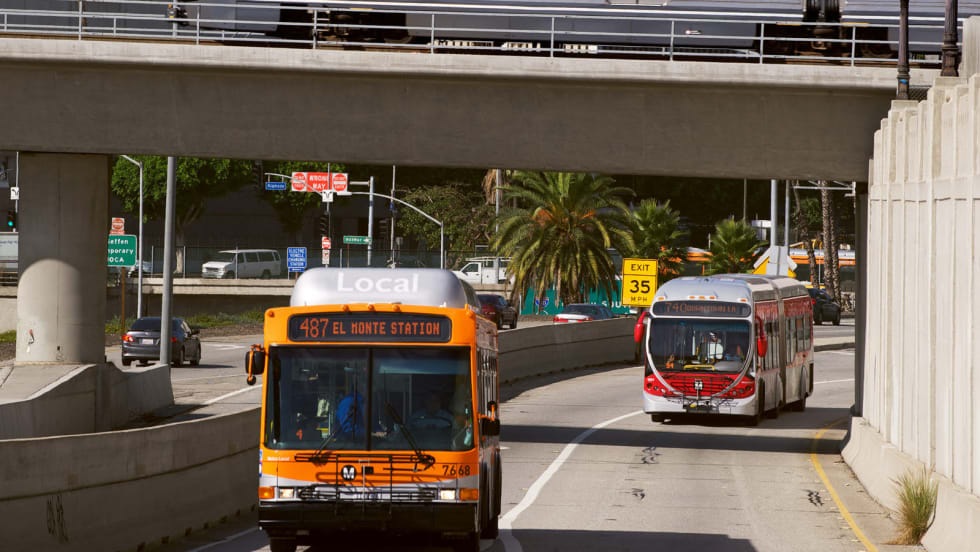
New Tricks for Old Bureaucracies: Joshua Schank on Making Transit Innovation Stick
Former LA Metro Chief Innovation Officer Joshua Schank discusses why good ideas aren't enough, how transit agencies can overcome resistance to change, and why today's challenges demand more innovation.
Read More →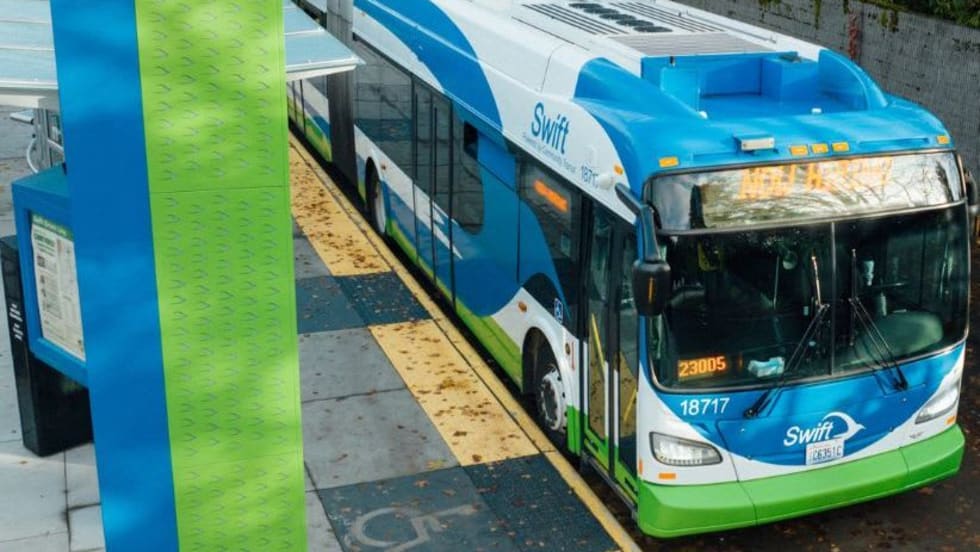
Washington's Community Transit Sets Six-Year Roadmap for Growth, Expansion
Approved TDP targets more bus service, new mobility options, Swift BRT expansion, and a potential Everett Transit annexation.
Read More →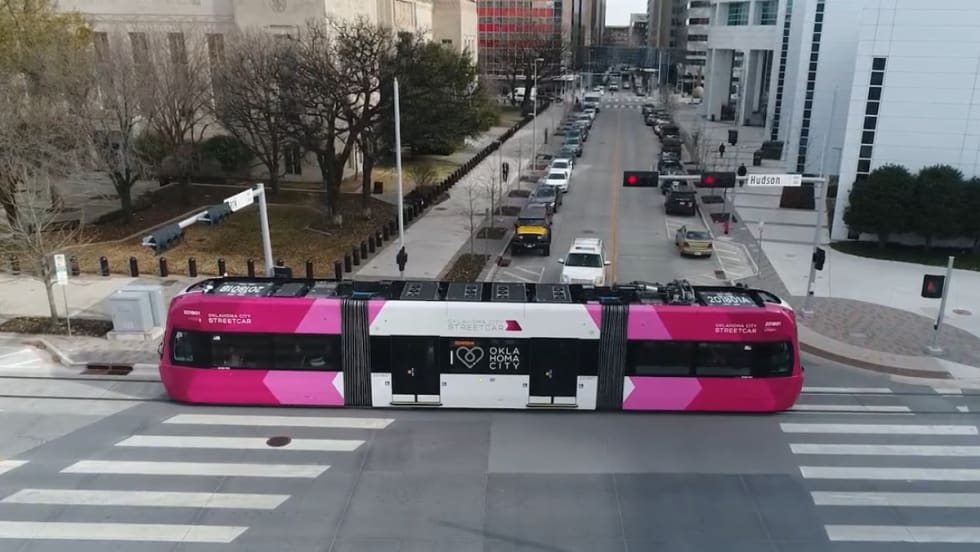
OKC Streetcar Makes Zero-Fare Service Permanent
Ridership increased an average of 71% compared with the same period a year earlier during the fare-free pilot.
Read More →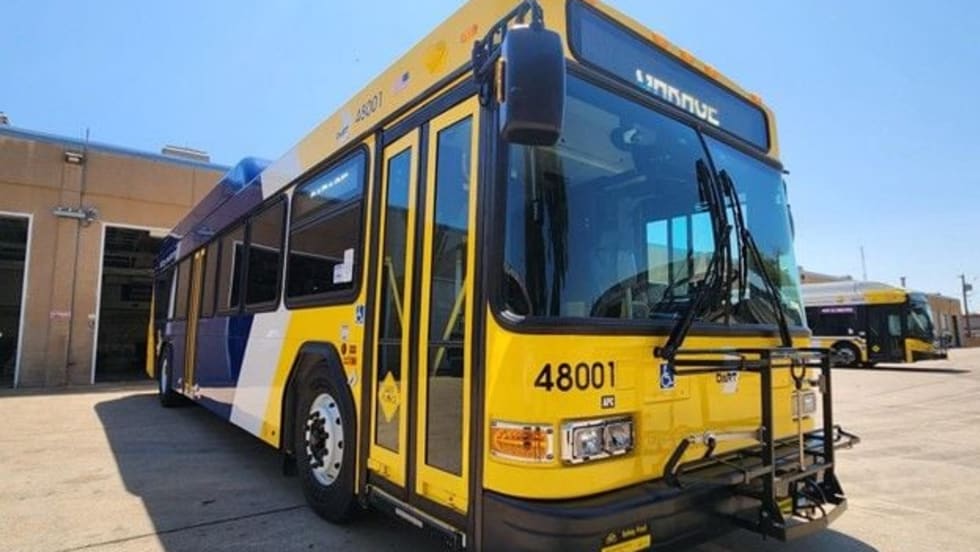
DART Customer Satisfaction Reaches Six-Year High
Overall satisfaction rose to 74.9%, while the agency’s Net Promoter Score reached a record 33.7.
Read More →
House Surface Transportation Bill Advances as Transit Funding Debate Intensifies
A bipartisan transportation package moving through Congress could redefine how the U.S. funds highways, transit, and motorcoach travel, while igniting new fights over electrification, regulation, and federal priorities.
Read More →
How Data, Strategy, and Community Engagement Are Reshaping Transit
In this edition of METROspectives, strada360 CEO Steve Lassey discusses how transit agencies can better align planning with operations, leverage data to improve decision-making, and build public trust as they prepare for the future of mobility.
Read More →
Amtrak Board Advances Plan to Restructure Organization, Seeks Public Input
The proposal, developed by Amtrak management and approved by the board for further consideration, is intended to modernize the organization's structure while improving accountability, operational efficiency, and customer service.
Read More →