



U.S. DOT provides $128M for road, bridge repair
Funds part of $871 million emergency appropriations package.

The U.S. DOT made available more than $128 million in additional emergency relief funds to pay for repairs to roads and bridges damaged by a variety of natural and other emergencies.
The funds will go to seven states and other federal facilities, like parkways, to pay for damages caused by storms, floodings and earthquakes. In the case of California, the funds will go toward the repair of an interchange on I-580 in Oakland that collapsed because of a truck fire, while in Mississippi the funds will go toward the repair of roads damaged by Hurricane Katrina.
The Federal Highway Administration (FHWA), a part of the U.S. DOT, will reimburse the states for expenses associated with these emergency situations. The funds will be used to reimburse states for fixing or replacing damaged highways and bridges, establishing detours, removing debris and replacing signs, lighting and guardrails.
The relief funds are part of an emergency appropriations package in the amount of $871 million, signed into law by President Bush in September 2005, to supplement FHWA's emergency relief program. The current release of funds, in addition to $675 million provided earlier this year, brings the total provided to more than $803 million with the balance still available to states upon request.
More Management

Transit Expands Agency Partnerships, Reaching 200 Official App Partners
COO Jake Sion discusses Transit’s growth, the success of its Transit Royale program, and how technology is helping agencies improve the rider experience.
Read More →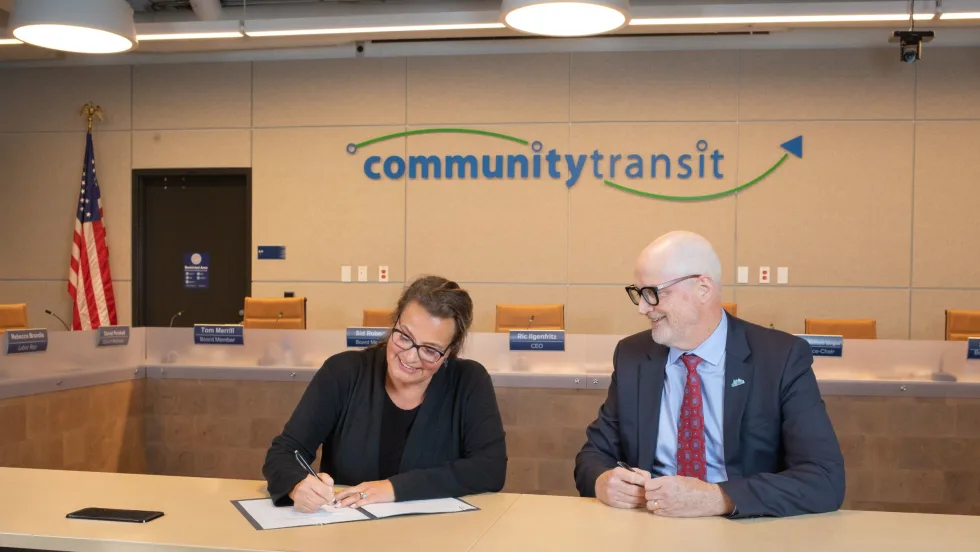
Everett Transit, Community Transit Approve Consolidation of Services
The agreement will bring Everett Transit into Community Transit’s network in April 2027, with plans to increase bus service by 50% by 2031 and expand regional connections.
Read More →
NITA Proposes $5B Operating Budget, $9.7B Capital Program for 2027
The proposed budget includes funding for expanded transit service, safety initiatives, fleet upgrades, and infrastructure improvements across CTA, Metra, and Pace.
Read More →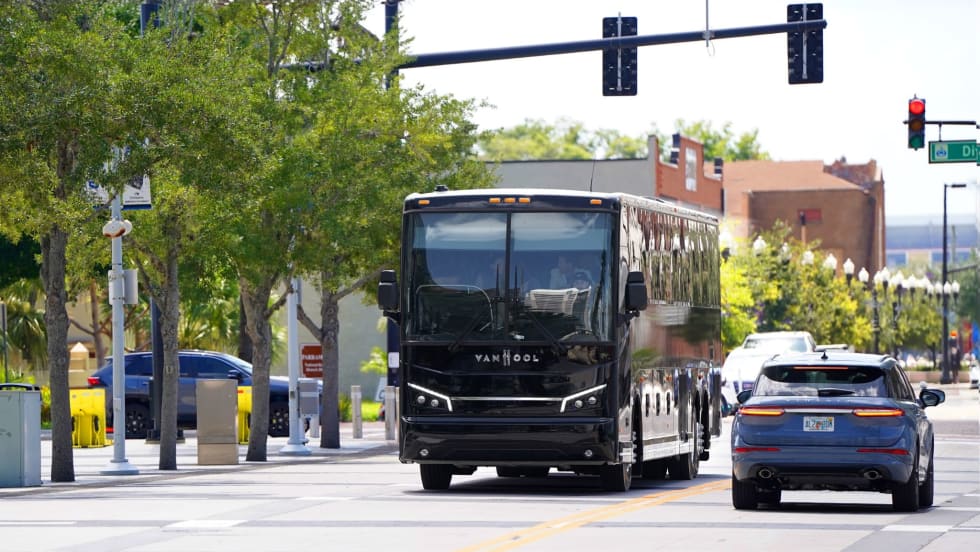
Financing, Fleet Replacement Requires a More Strategic Approach
Executives from ABC Companies and MCI discuss how rising costs, changing market conditions, and post-pandemic challenges are prompting motorcoach operators to rethink financing strategies, fleet replacement cycles, and long-term planning.
Read More →
Bringing Austin’s First Light Rail System to Life
Austin Transit Partnership CEO Greg Canally discusses the city's nearly 10-mile light rail project, its collaborative approach to project delivery, the importance of community engagement, and the milestones ahead as construction approaches in 2027.
Read More →
ETA CEO John Maglio on Transit Technology, Innovation, and Building Agency Trust
ETA founder and CEO John Maglio explores the evolution of transit technology, the importance of reliable systems, and how stronger partnerships can help agencies improve operations and the passenger experience.
Read More →
Metra Draft Plan Outlines Costs, Service Improvements for Regional Rail
The Systemwide Network Plan identifies infrastructure needs and potential investments to expand all-day, bidirectional rail service across the Chicago region.
Read More →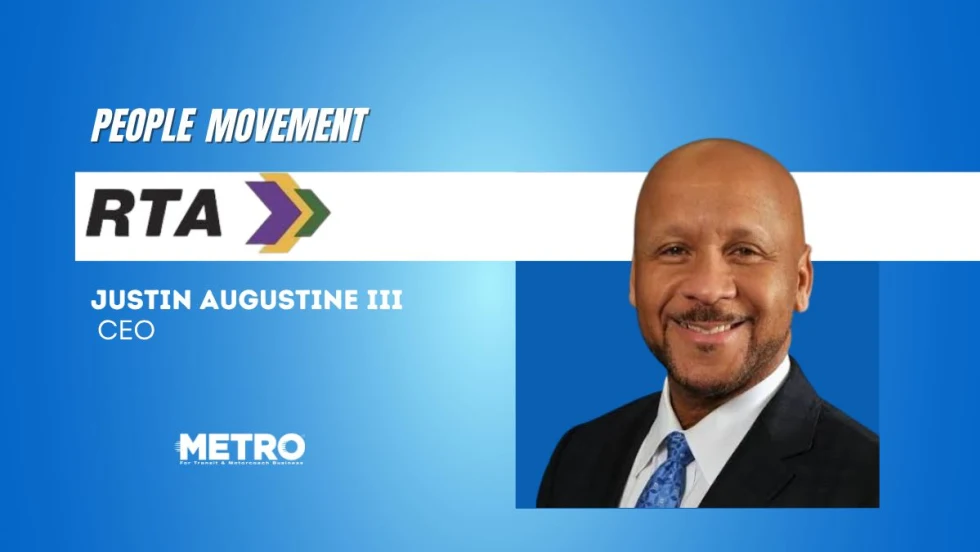
New Orleans RTA Names Augustine III as New CEO
In this edition, we also spotlight recent personnel moves at HDR, PATH, STV, and more, highlighting the people taking on new roles across the transportation industry.
Read More →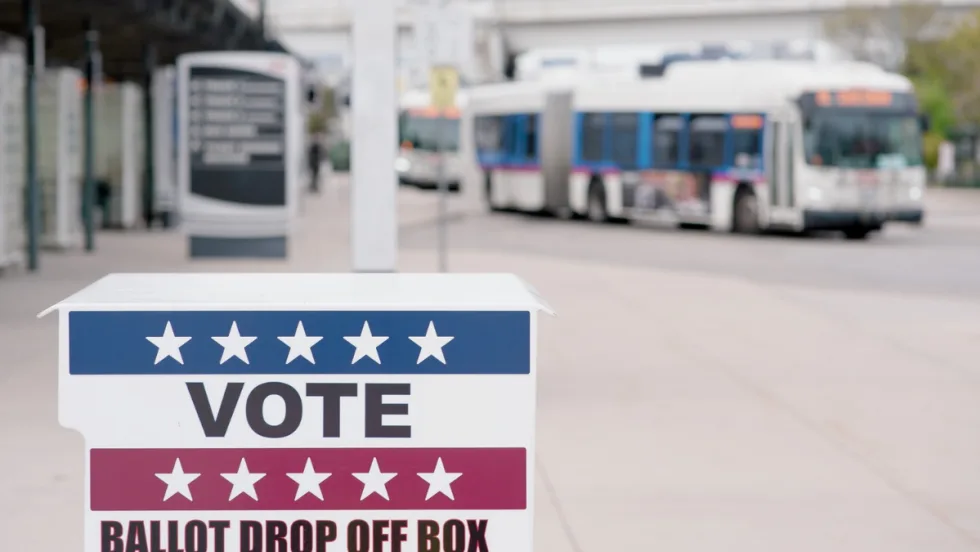
How Transit Agencies Are Using Free Rides to Improve Voting Access
Transit agencies are using fare-free service, trip-planning tools, and targeted rides to improve voting access. See what other agencies can learn from these efforts.
Read More →
Caltrain’s Electrification Drives a New Era of Ridership Growth
The railroad’s shift to electric service has brought more frequent trains, stronger customer satisfaction, and increased ridership, earning it APTA’s Outstanding Public Transportation System award.
Read More →