



Utah State puts bus locations online
The Aggie Shuttle at Utah State University in Logan has unveiled a new system that gives students and university employees the ability to track the real-time location of campus buses over the Internet.


The Aggie Shuttle at Utah State University in Logan has unveiled a new system that gives students and university employees the ability to track the real-time location of campus buses over the Internet. The locations of the buses are updated every 15 seconds on the shuttle Website www.aggiebus.com, which can help students reduce their waiting times — an especially important consideration in Logan’s freezing winter weather. Although the GPS tracking system has been in operation since last September, the online map has only been available to students and the public for three weeks. It has already has garnered positive notice. “We’ve gotten e-mails from students saying they like it, use it and appreciate it,” said Alden Erickson, bus operations supervisor for USU’s Parking and Transportation Services. The Aggie Shuttle operates 10 buses along seven routes, providing 960,000 rides per year on a $480,000 budget. The tracking system was developed by Justin Rees, president of Ride Systems in Logan. Rees’ system employs a GPS-enabled smart phone rather than a tracking beacon hard-wired to the bus, although it can be configured with either option. The smart phone, in this case a Pocket PC, does more than signal the bus’ location. It’s also used by the drivers to conduct paperless pre-trip vehicle inspections and to count passengers. Rees, a USU graduate and former shuttle service employee, said the passenger count feature is highly versatile, allowing for tabulation of riders by stop, demographic, route, day, week or month. He said the Pocket PC can also be configured to play audio files over the vehicle’s radio or public announcement system, providing a method for automatic stop announcements, commentary or advertising. Rees is working to enhance the accessibility of the data by making the live maps available on Web-enabled cell phones, which he hopes to debut in the fall at USU. He is also working on an application that would provide riders with bus locations via text-messaging. Another way to push the information would be to install monitors displaying the live maps in buildings near bus stops, Rees said. Rees said his tracking system has also been implemented by Commuter Services at the University of Utah in Salt Lake City, which operates a fleet of nearly 30 buses, and is being readied for some municipal fleets. Each customer, he said, will have its own unique requirements and specifications. “I’m trying to create custom solutions that will improve fleet efficiency and save money in the long run,” he said.
More Management
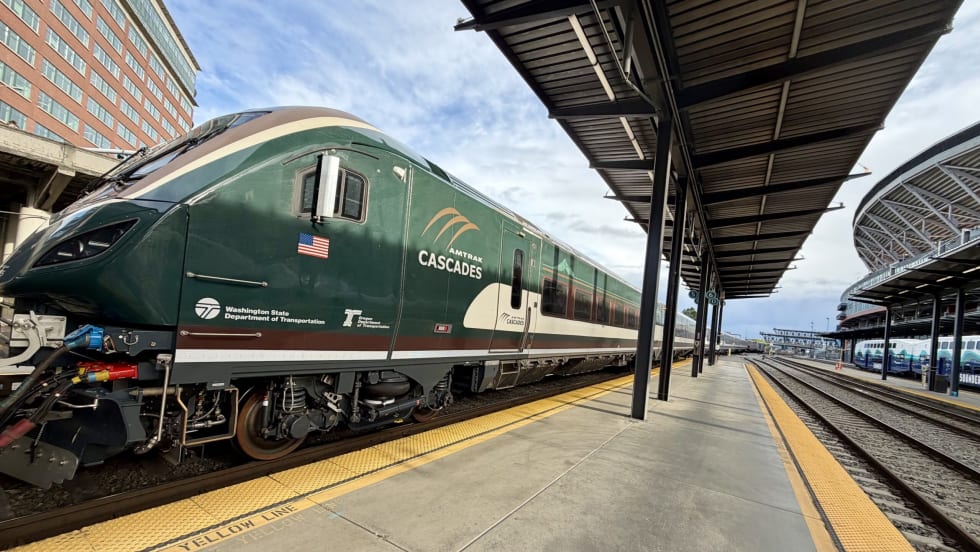
FRA Announces $5.3B in Rail Investments, Including $2B for Amtrak
Funding will support grade-crossing improvements, infrastructure upgrades, and new Amtrak equipment in 23 states.
Read More →
Finding the ‘Happy Medium’: Optimizing Maintenance Without Sacrificing Reliability
The key to maintenance optimization isn’t doing less work—it’s doing the right work at the right time on the right assets.
Read More →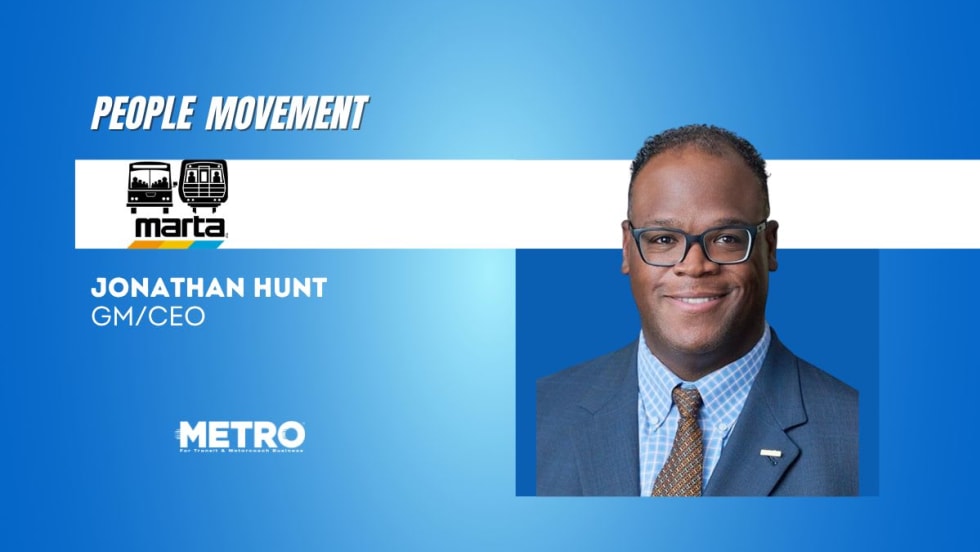
People Movement: MARTA Drops Interim Tag on GM/CEO Hunt and More
In this edition, METRO covers recent appointments and announcements at the FMCSA, HDR, SilverRide, and more, showcasing the individuals helping to shape the future of transportation.
Read More →
VIA Metropolitan Transit Reports 2 Million More Passenger Trips as Better Bus Plan Gains Momentum
San Antonio's transit agency said accelerated service improvements are driving ridership growth, offering another example of how increased frequency and workforce investments can translate into stronger transit performance.
Read More →
ABAF Study Reveals Growing Insurance Crisis for Motorcoach Operators
Preliminary findings show 98% of operators faced premium increases over the past five years, while shrinking insurer participation is putting added pressure on businesses and customers.
Read More →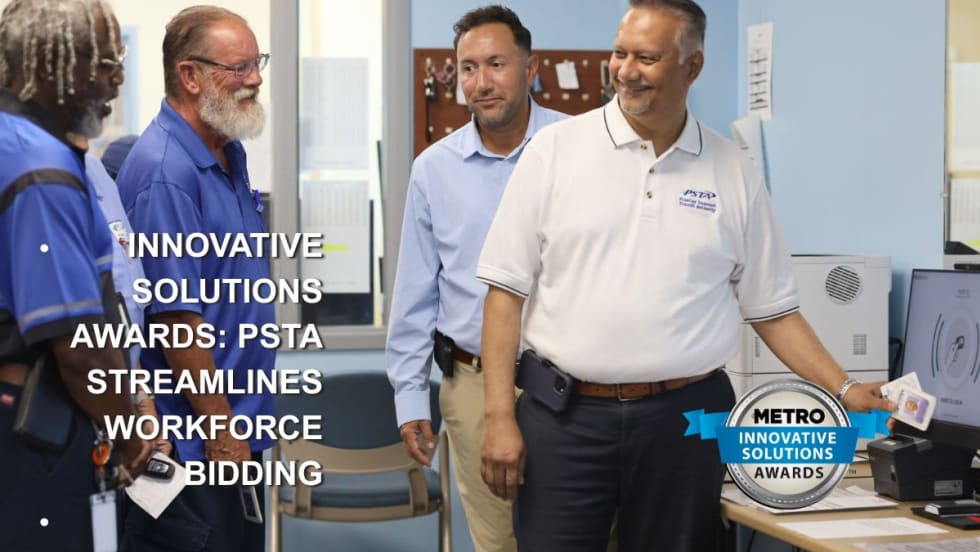
PSTA Modernizes Workforce Management with Digital Bidding System
The award-winning Workforce Transit Modernization project replaced paper bidding with a transparent digital platform, cutting administrative effort while improving access for operators.
Read More →
Chicago to Host Public Transportation's Biggest Gathering at APTA TRANSform & EXPO 2026
North America’s largest public transportation gathering returns to Chicago, connecting transit decision-makers with the technologies, ideas, and partnerships driving the industry forward.
Read More →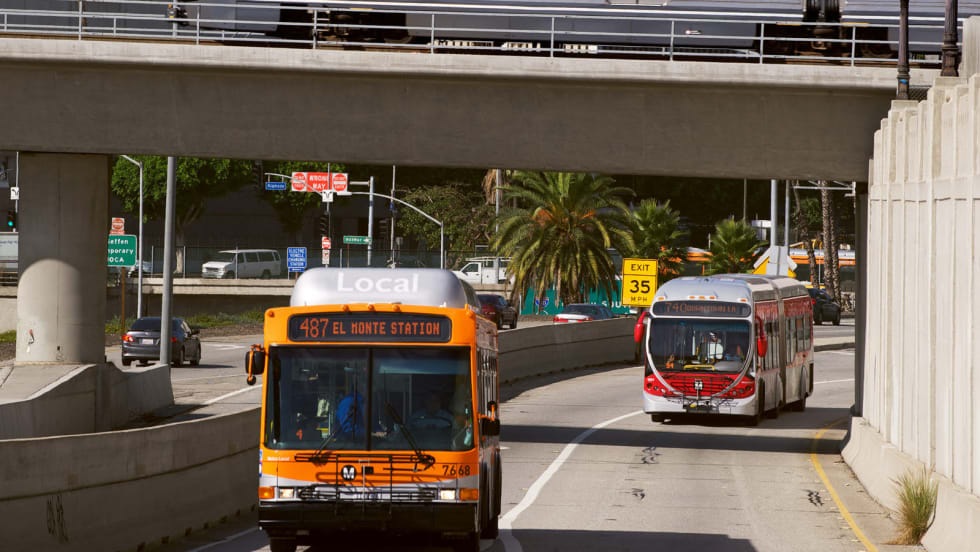
New Tricks for Old Bureaucracies: Joshua Schank on Making Transit Innovation Stick
Former LA Metro Chief Innovation Officer Joshua Schank discusses why good ideas aren't enough, how transit agencies can overcome resistance to change, and why today's challenges demand more innovation.
Read More →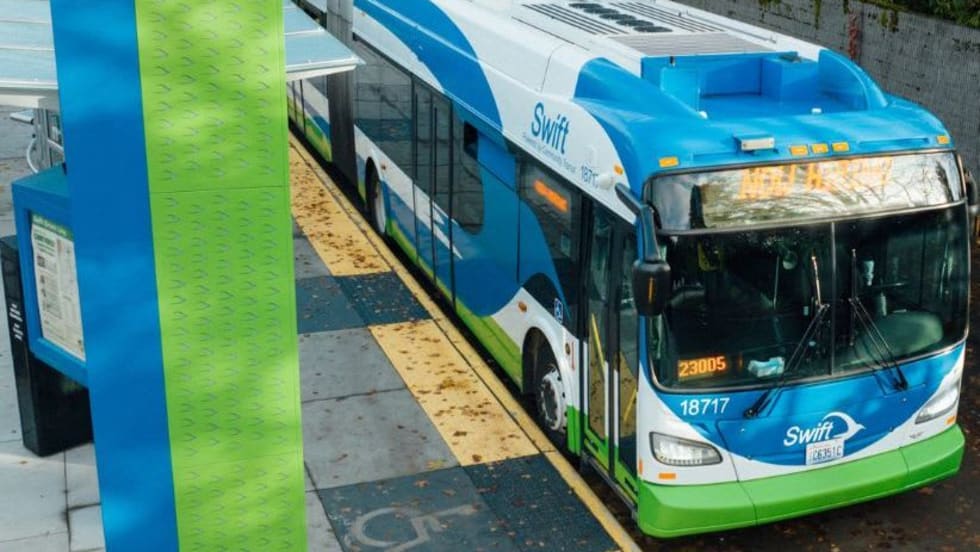
Washington's Community Transit Sets Six-Year Roadmap for Growth, Expansion
Approved TDP targets more bus service, new mobility options, Swift BRT expansion, and a potential Everett Transit annexation.
Read More →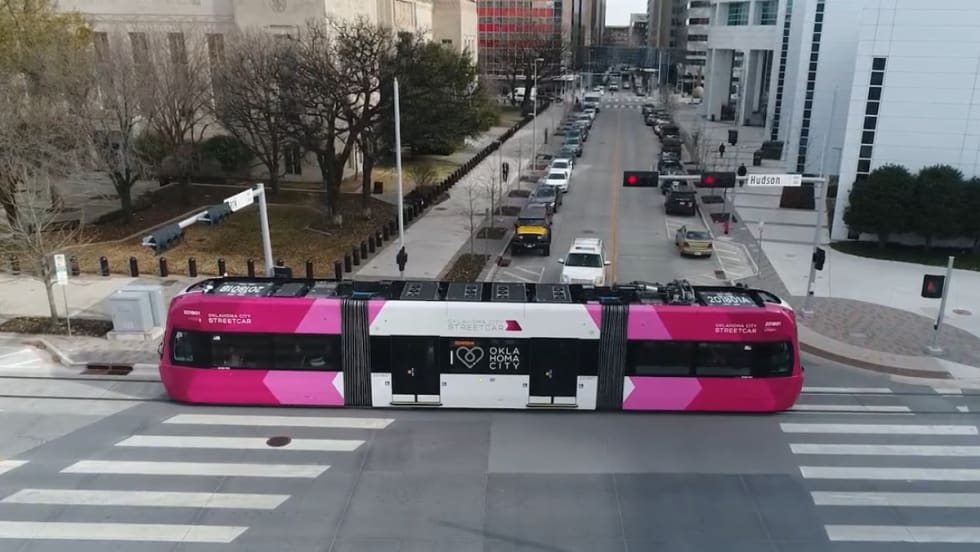
OKC Streetcar Makes Zero-Fare Service Permanent
Ridership increased an average of 71% compared with the same period a year earlier during the fare-free pilot.
Read More →