



Winnipeg Introduces First 60-Foot Zero Emission Bus
The agency will be the first Canadian city with 60-foot battery-electric buses in its fleet. By the end of the year, there will be eight 60-foot ZEBs in full service, according to city officials.

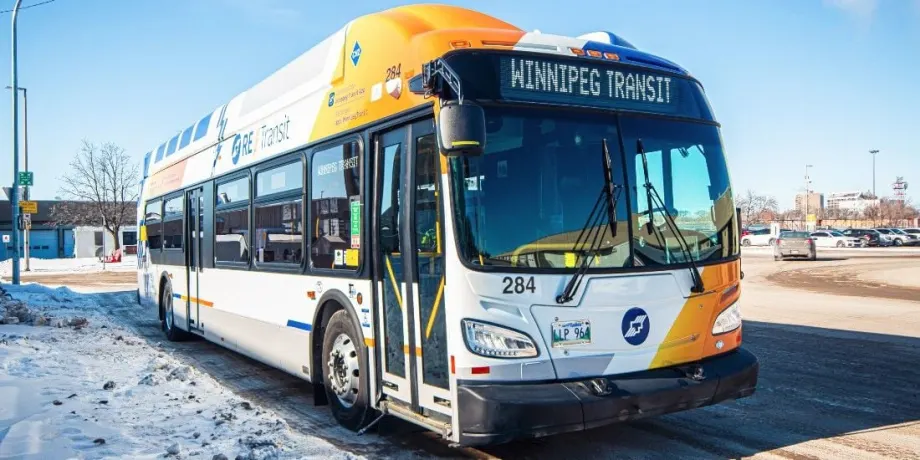
Winnipeg's Transition to Zero-Emission Bus Program is receiving $280.3 million in funding through the Investing in Canada Infrastructure Program.
City of Winnipeg
Winnipeg Transit launched its first New Flyer 60-foot zero-emission bus (ZEB) into limited service.
The agency will be the first Canadian city with 60-foot battery-electric buses in its fleet. By the end of the year, there will be eight 60-foot ZEBs in full service, according to city officials.
Warm-Up Period
All ZEBs will be in limited service for their first 30 days of operation. This means they will only be on roads during the peak morning rush and early afternoon on weekdays. After 30 days, they will be ready for full-time service.
“With the arrival of Winnipeg’s first 60-foot zero-emission bus, our city is making transit history and leading the way in Canada’s shift to sustainable transportation,” said Ben Carr, Member of Parliament for Winnipeg South Centre. “This milestone marks an important step in reducing emissions, improving air quality, and making life better for Winnipeggers. We’re proud to support projects that help communities transition to a greener future.”
Winnipeg’s first order of 16 ZEBs has all arrived at its Fort Rouge and Brandon Garages. They include:
Four 40-foot and four 60-foot fuel-cell battery-electric buses.
Four 40-foot and four 60-foot battery-electric buses.
The agency said that its fuel-cell battery-electric buses recharge with hydrogen and can drive for up to 24 hours. Battery-electric buses recharge by connecting to a charger and can drive for 10 to 15 hours.
Every bus will complete in- and out-of-service testing, which will look at a variety of factors, including (but not limited to):
Battery health
Energy consumption
Operating costs
Testing will also establish which zero-emission technology is most effective in Winnipeg's climate. All information gathered will determine future steps in electrification.
Winnipeg’s Transition to Zero
The Transition to Zero-Emission Bus Program is receiving $280.3 million in funding through the Investing in Canada Infrastructure Program.
Winnipeg Transit will use those funds to buy 90 ZEBs, as well as charging infrastructure. A second order of ZEBs — 24 in total — is expected to arrive in early 2026.
More Zero Emissions

Caltrain’s Electrification Drives a New Era of Ridership Growth
The railroad’s shift to electric service has brought more frequent trains, stronger customer satisfaction, and increased ridership, earning it APTA’s Outstanding Public Transportation System award.
Read More →
Building a Flexible Path to Transit Electrification with BAE's John Hroncich
John Hroncich discusses BAE Systems’ modular and scalable approach, lessons learned from decades of real-world operations, and how agencies can identify electrification strategies that fit their fleets.
Read More →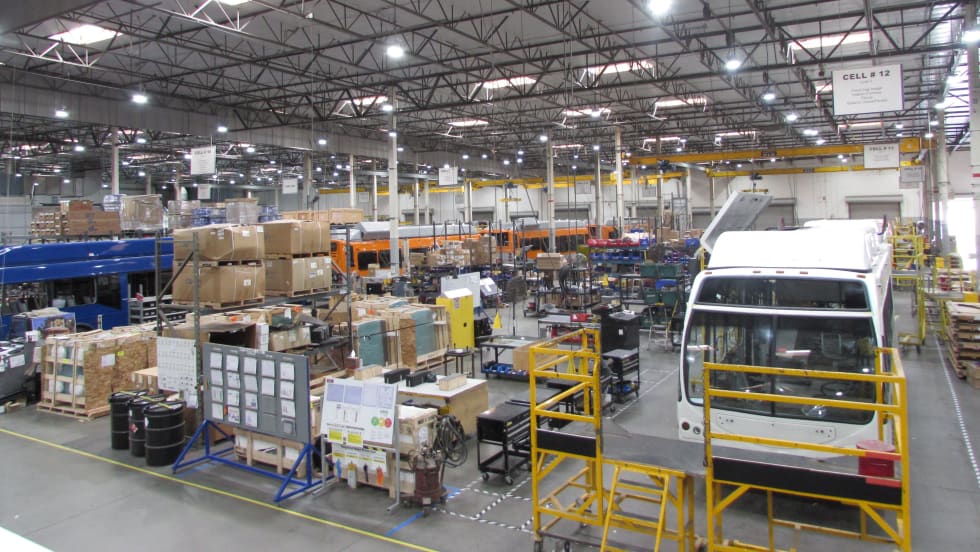
LA Metro Board Awards 220 Battery-Electric Bus Contract to ENC
The contract, which is the largest base award of battery-electric buses by a U.S. transit agency, will be built in Southern California, sustaining good jobs as LA prepares to welcome the world in 2028
Read More →
Public Transit Conference Returning to GFX in 2027, Call for Papers Now Open
The Call for Papers is now open, allowing transit agency professionals and industry experts to help shape the PTC educational program by submitting session ideas for consideration.
Read More →
Report: Transit Bus Manufacturing Supports 34,100 Jobs, $5.1B in GDP
The “Buses Mean Business” report examines the transit bus manufacturing industry’s economic footprint, supply chain, and rising demand for vehicle replacements.
Read More →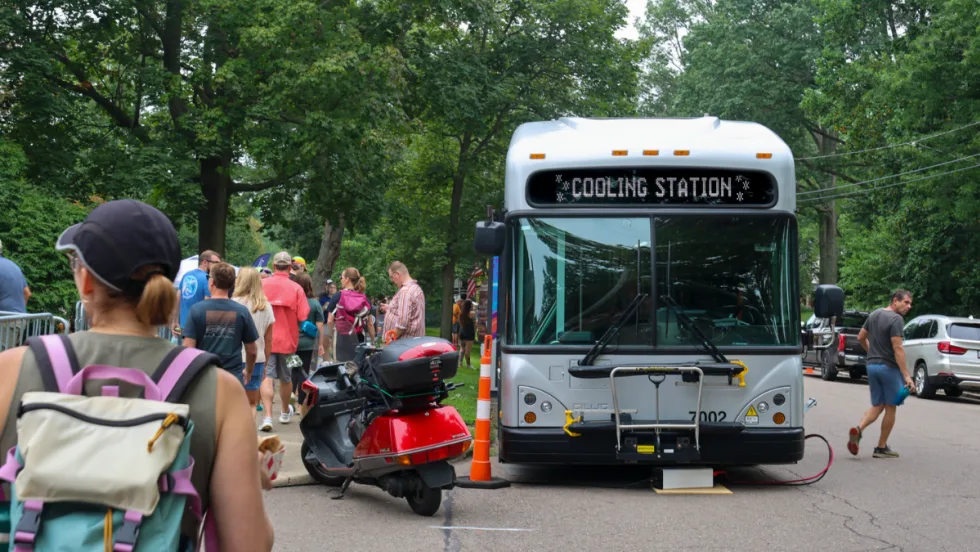
Ohio’s METRO RTA Turns Electric Buses into Mobile Power Sources at PorchROKR
See how three Gillig battery-electric buses powered festival stages while the agency’s new Park & Ride service carried approximately 1,000 attendees, demonstrating another potential use for transit agencies’ electric fleets.
Read More →
CALSTART and Forth Combine to Form Catalyst Mobility
The new name represents a renewed vision for the nonprofit focused on advancing clean, equitable, and affordable transportation solutions that move people and goods.
Read More →
Building a Flexible Path to Transit Electrification
John Hroncich discusses BAE Systems’ modular and scalable approach, lessons learned from decades of real-world operations, and how agencies can identify electrification strategies that fit their fleets.
Read More →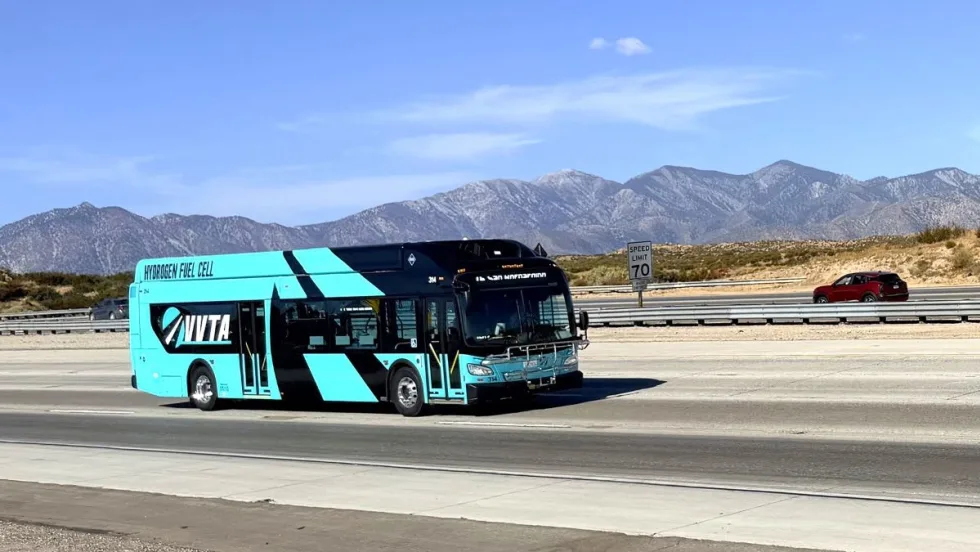
California's VVTA Begins Phased Rollout of Hydrogen Fuel Cell Buses
The agency is introducing 13 zero-emission buses into revenue service while evaluating performance across its urban, rural, and long-distance routes.
Read More →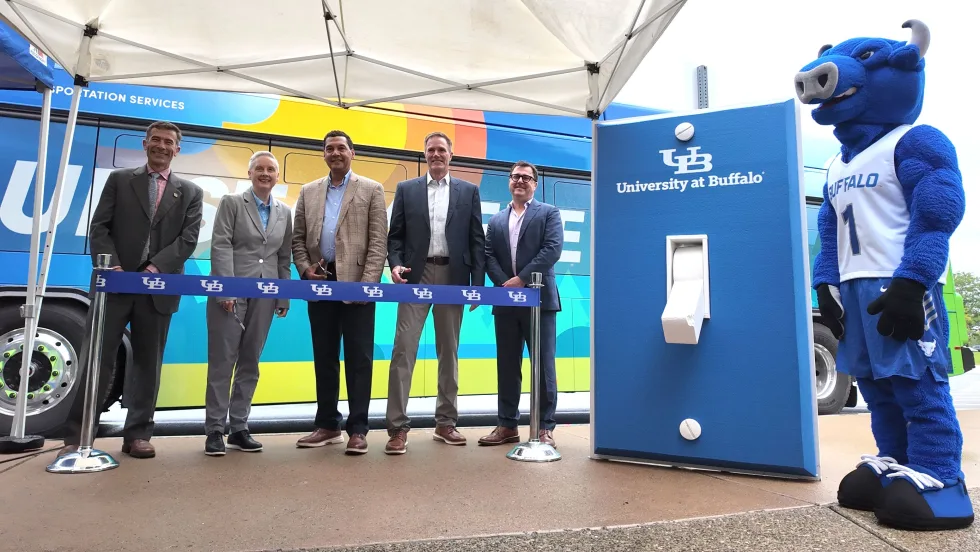
Inside Look: University at Buffalo Puts First 8 Electric Buses Into Stampede Service
UB, transportation solutions provider WeDriveU, and fleet electrification specialist Zenobē marked the deployment in the presence of students, university administrators, and local officials.
Read More →