




RELATED: WMATA launching on-demand late-night transportation
WMATA adding more service, more affordable pass products
All Metrorail passes will now come with free Metrobus service, providing a better value and experience of customers.
July 2, 2019
2 min to read
Washington Metropolitan Area Transit Authority (WMATA) customers are now able to ride more and spend less with the introduction of more affordable passes and more Red and Yellow Line service at some stations.
All Metrorail passes will now come with free Metrobus service, providing a better value and experience of customers. Four passes will be lowered in price — the Seven-Day Unlimited, Seven-Day Short Trip, Seven-Day Regional Bus, and One-Day Unlimited Pass. There is also the new option of a Three-Day Unlimited Pass.
Red Line trains will run end-to-end between Glenmont and Shady Grove, instead of turning some trains back at Silver Spring. The change complements the extended service to Shady Grove that began in December when WMATA eliminated the “Grosvenor Turnback,” where every other Red Line train began and ended at Grosvenor.
On the Yellow Line, extended service to Greenbelt is already in effect, doubling rush hour service at nine stations north of Mt Vernon Square (Shaw-Howard, U Street, Columbia Heights, Georgia Ave-Petworth, Fort Totten, West Hyattsville, Prince George’s Plaza, College Park and Greenbelt) to reduce crowding conditions. Previously, Yellow Line trains turned back at Mt Vernon Square during rush hours and at Fort Totten at all other times.
In keeping with WMATA’s commitment to improve reliability and customer service, the agency’s industry-first “Rush Hour Promise” will continue to provide riders with a credit toward future travel for unscheduled delays of 10 minutes or more.
These customer-focused improvements come as the agency’s safety and reliability continue to improve, thanks to robust preventive maintenance, capital investments, and new dedicated funding sources. On-time performance last month reached 90% for the first time in at least eight years. Railcar reliability is also at the highest level in eight years, averaging more than 145,000 miles between delays — a 150% improvement over last year.
More Management
APTA Honors 2026 Award Winners, Hall of Fame Inductees at TRANSform & EXPO
Innovations in autonomous and zero-emission transportation, standout transit systems, and industry leadership took center stage among this year's honorees.
Read More →
7 Ways to Build a Better Transit Internship Program
Lessons from DRPA/PATCO’s approach to creating a meaningful internship experience—and developing the next generation of transportation professionals.
Read More →
Scenes from APTA TRANSform & EXPO 2026
Transit leaders, manufacturers, and industry professionals gathered in Chicago to explore new technologies, share ideas, and discuss the future of public transportation.
Read More →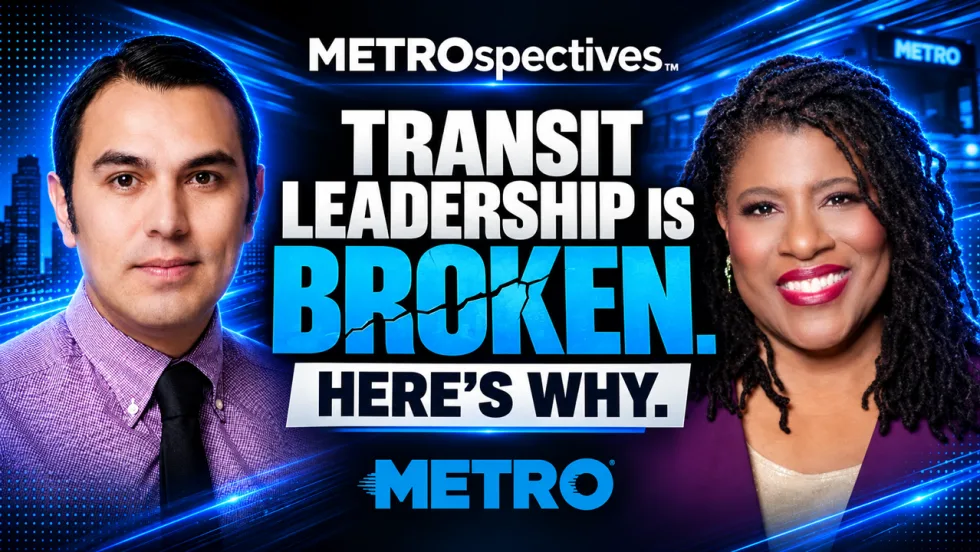
Building Stronger Leaders, More Resilient Transit Teams
Dr. Carol Parker Walsh discusses leadership development, employee retention, workplace culture, and preparing transit’s workforce for AI and automation.
Read More →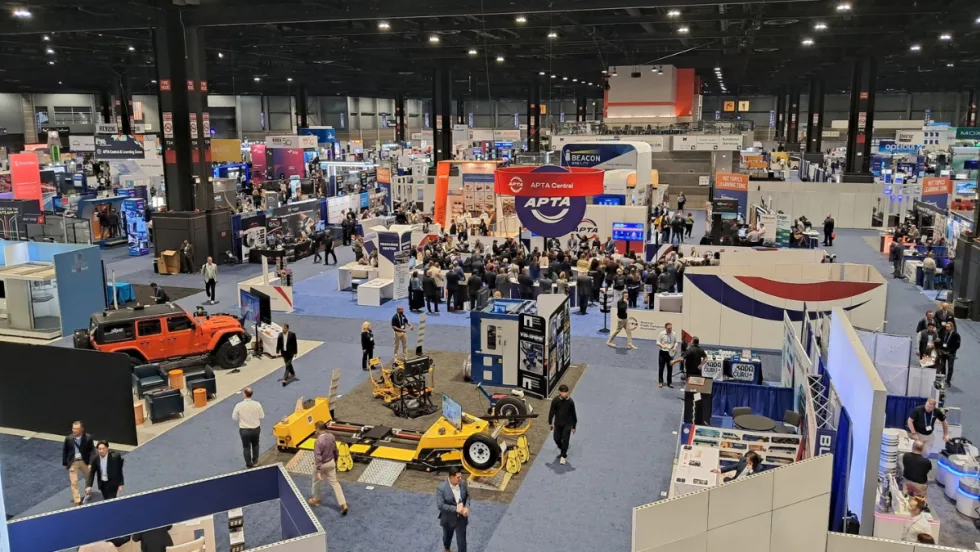
APTA 2026 TRANSform & EXPO Kicks Off in Chicago
After 45 years, APTA returns to Chicago with a focus on next-generation fleets, AI, connected transit networks, and the funding strategies shaping public transportation’s future.
Read More →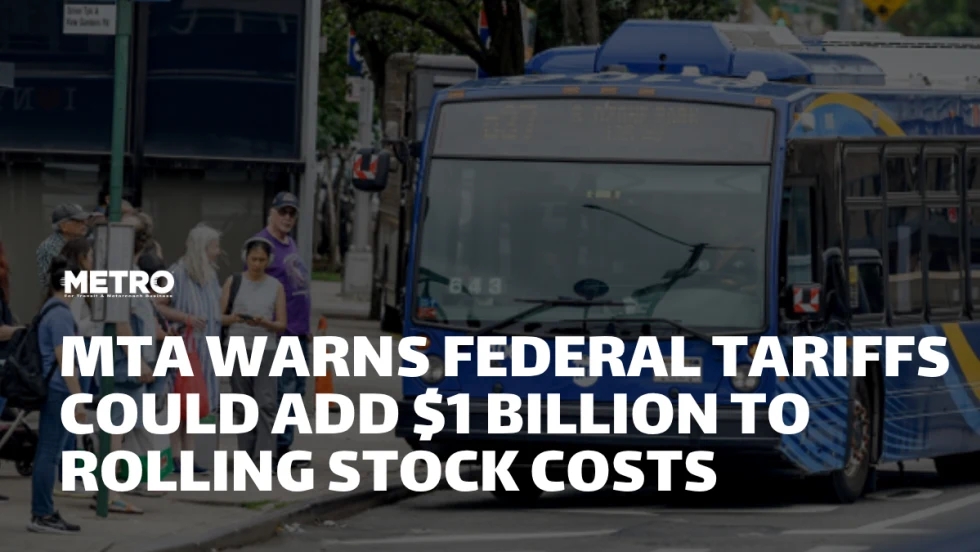
New York MTA Warns Federal Tariffs Could Add $1 Billion to Rolling Stock Costs
The agency said tariffs on specialized imported components could reduce the purchasing power of its $23 billion investment in new subway cars, railcars, and buses.
Read More →
From the Show Floor: What Happened at APTA TRANSform & EXPO 2026
See the latest product launches, partnerships, technology updates, and transit industry announcements from APTA TRANSform & EXPO in Chicago.
Read More →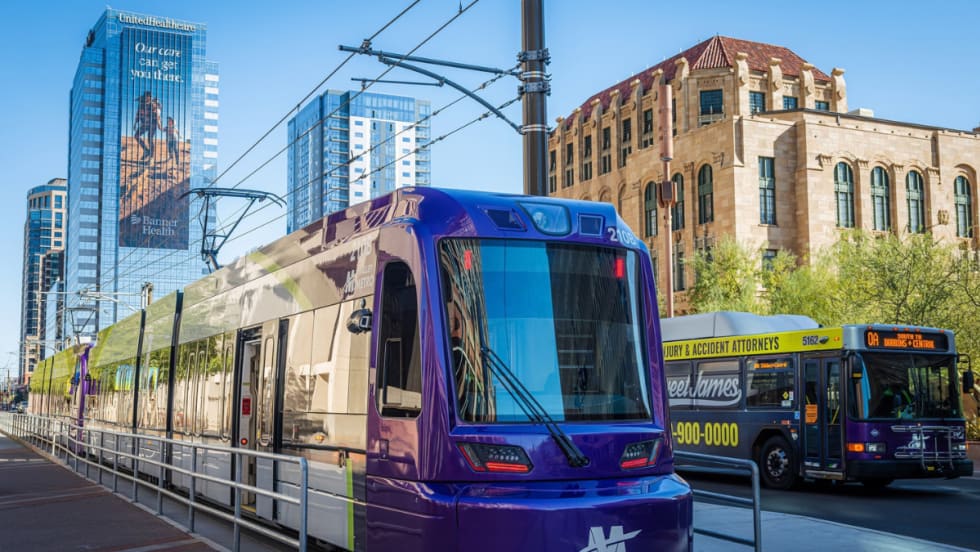
How Valley Metro Is Balancing Transit Growth With the Rider Experience
The APTA award-winning agency is pairing rapid system expansion with investments in workforce, safety, technology, and the fundamentals of transit service.
Read More →
Bus Tech Talk: Keeping Transit Technicians Ahead of the Technology Curve
In this episode of Bus Tech Talk, Complete Coach Works’ Business Development Manager Mark Hollenbeck and METRO’s Executive Editor Alex Roman sit down with Obed Mejia, Senior Technical Trainer for Bus Maintenance, at LA Metro to discuss how rapidly evolving bus technology is changing the maintenance shop — and the skills technicians need to keep pace.
Read More →
Michael Schneider Joins Paslay Group to Expand Transportation Practice
The longtime transportation executive will help Paslay Group grow its advisory and program management work across transit, highway, and other infrastructure sectors.
Read More →