



WMATA launches Automatic Train Operation on the Blue, Orange, and Silver Lines
The agency completes systemwide rollout of ATO, improving speed, safety, and reliability while reducing travel times and paving the way for a more modern, efficient transit experience.

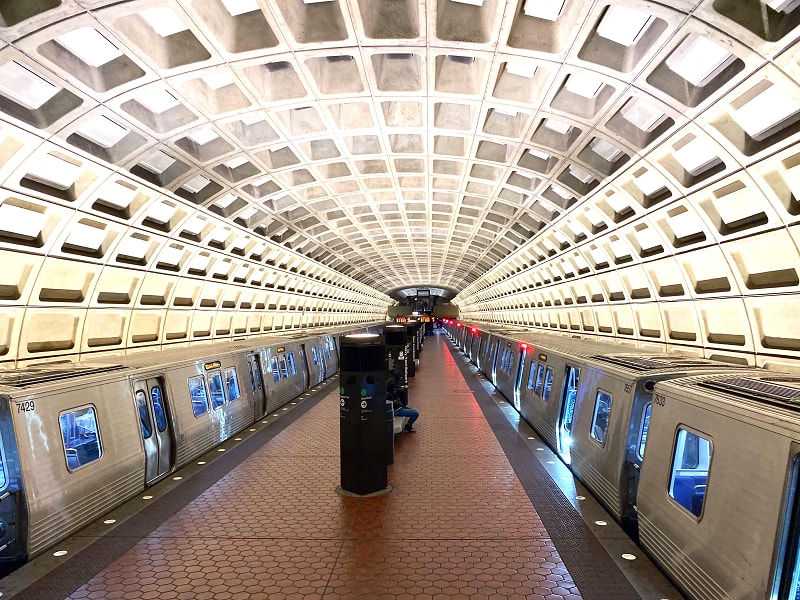
With the complete restoration of ATO, WMATA is reaffirming its commitment to delivering safer, faster, and more reliable service, aligning with its long-term modernization and operational excellence goals, the agency said in a press release.
Photo: WMATA/Larry Levine
The Washington Metropolitan Area Transit Authority (WMATA) officially restored Automatic Train Operation (ATO) across its entire Metrorail system, marking the first full return to the automated mode since 2009.
The rollout expands ATO from the Red Line — where it has operated successfully since December 2024 — to the Blue, Orange, and Silver Lines, following a successful phase-in on the Yellow and Green Lines in May.
WMATA decided to expand ATO after completing rigorous internal training and testing and receiving concurrence from the Washington Metrorail Safety Commission. Since the initial implementation on the Red Line, Metro reports no safety issues or red signal violations, reinforcing the system's reliability.
“This is a major milestone for Metro, and it has been a long time coming,” said WMATA GM/CEO Randy Clarke. “This is a win for customers and staff who will experience safer, more reliable rides. Meanwhile, Metro is saving money as ATO is more cost-efficient.”
Speed Increases and Time Savings
The full return to ATO also allows WMATA to restore original system speeds of up to 75 mph.
Beginning on June 15, several outer portions of the Blue, Orange, and Silver lines will now see speed increases from 55 mph to 65 mph or 75 mph.
Beginning June 22, WMATA will reduce end-to-end travel times by approximately three minutes on each line. The Yellow and Green Lines will also benefit from one to two minutes of time savings.
The Red Line, which has been running under ATO since December, has already seen travel times reduced by eight minutes. WMATA is continuing to monitor the system and indicated that further efficiency improvements may be incorporated on all lines later this year.
“Metro’s full restoration of Automatic Train Operations after 16 years is a transformative achievement,” said WMATA Board Chair Valerie Santos. “This advancement drives critical improvements in operations, efficiency, system safety, and the customer experience. It positions Metro firmly on the path to delivering the world-class transit system our region demands.”
How ATO Works
ATO automates the train’s acceleration, deceleration, and speed by receiving commands from trackside equipment, resulting in a smoother ride and improved on-time performance.
Although the system automates some of the train’s functionality, operators remain in the cab, responsible for customer safety, door operations, and monitoring track conditions.
ATO is not used in specific situations such as inclement weather, single tracking, or when track workers are present.
With the complete restoration of ATO, WMATA is reaffirming its commitment to delivering safer, faster, and more reliable service, aligning with its long-term modernization and operational excellence goals, the agency said in a press release.
More Rail
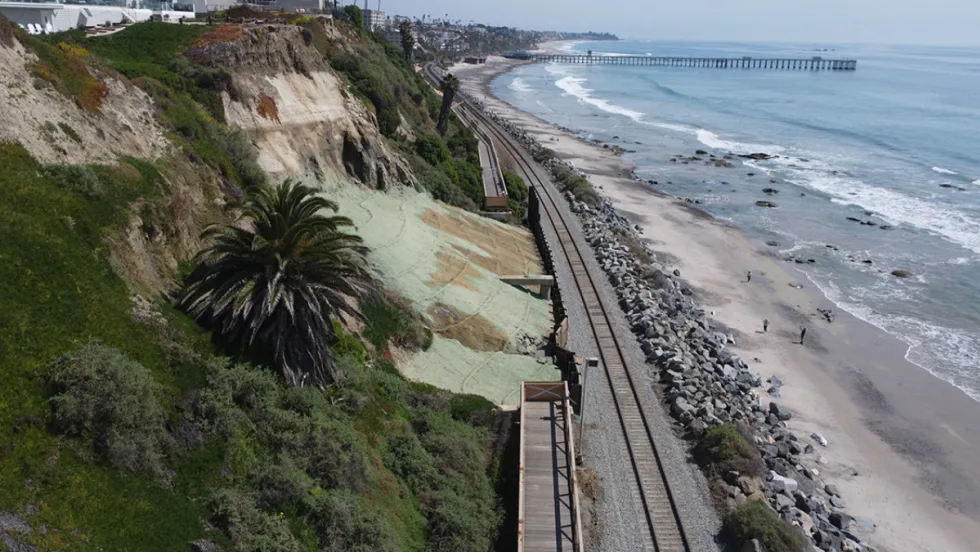
OCTA Declares Emergency to Protect Rail Corridor From Coastal Erosion
The California agency is accelerating shoreline protection and plans to place approximately 690,000 cubic yards of sand along the San Clemente coast to protect a key passenger and freight rail link.
Read More →
More Than a Summer Job: Building the Next Generation of Transit Talent
The Delaware River Port Authority and PATCO have transformed their internship program into a hands-on professional development experience that introduces students to the breadth of transportation careers — and creates a pipeline for future employees.
Read More →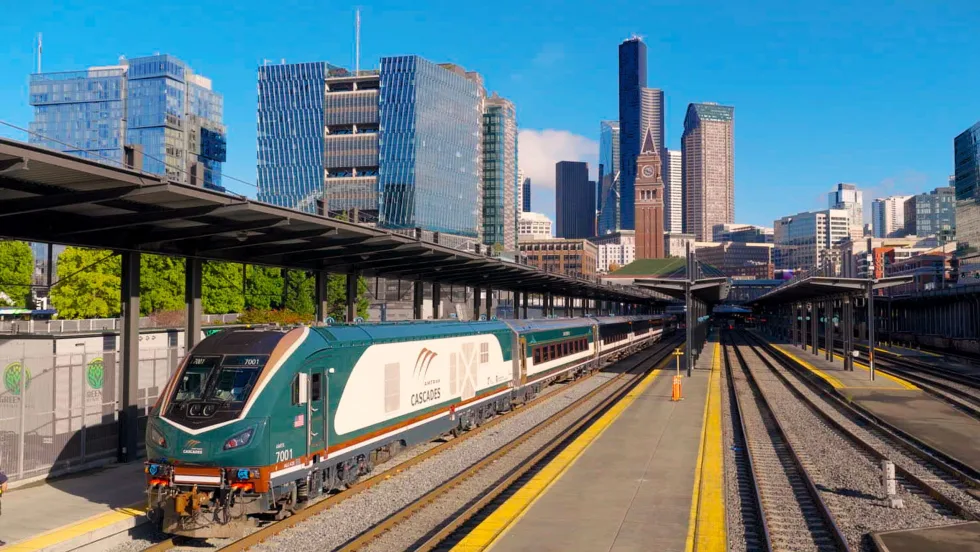
Airo Trains Make Their Amtrak Cascades Debut in the Pacific Northwest
Effective immediately, two cutting-edge Airo trainsets will join the Amtrak Cascades route, operating four daily trips between Vancouver, B.C., Seattle, Portland, and Eugene, Oregon, marking the first introduction of Airo trains into passenger service anywhere in the country.
Read More →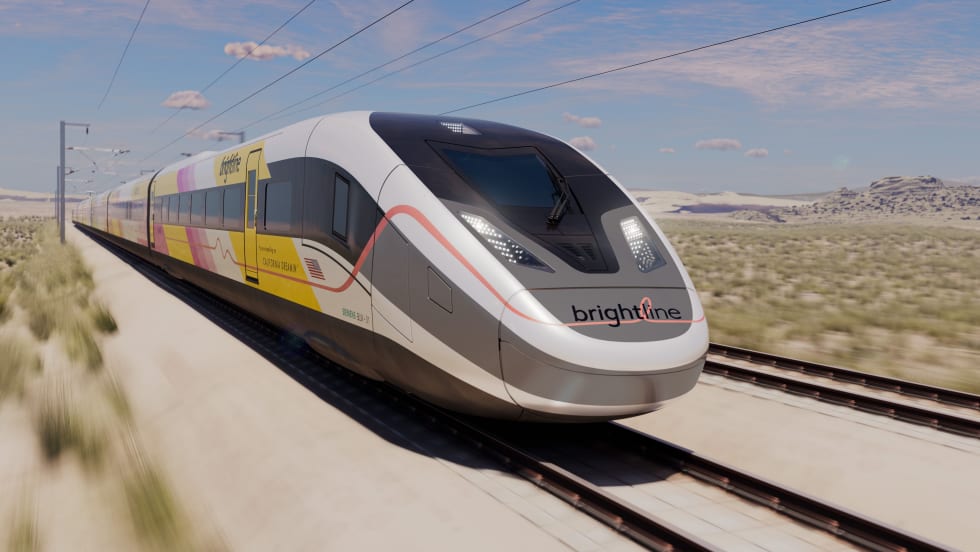
Florida's Brightline Announces Financial Restructuring
Brightline Florida says train operations will continue as normal as certain parent entities enter Chapter 11 and financial stakeholders provide $490 million in new long-term capital.
Read More →
ENC Lands MATA Contract and More in Biz Briefs
In this edition of Biz Briefs, we spotlight the latest developments shaping the future of mobility.
Read More →
Strada360’s Steve Lassey on Turning Transit Data Into Better Decisions
From breaking down data silos to preparing for AI, Strada360 CEO Steve Lassey discusses how transit agencies can use technology to improve operations, customer information, and long-term decision-making.
Read More →
SEPTA Details Accelerate Vision for Transit System
The plan outlines investments in trolley modernization, new Metro and Regional Rail vehicles, accessible stations, and more frequent bus and rail service.
Read More →
FTA Ends Direct Oversight of MBTA Safety Actions
The federal agency closed its remaining special directive to the Massachusetts Department of Public Utilities following a safety review that began in 2022.
Read More →
Amtrak, CN Reach Agreements to Strengthen Passenger Rail Service, Safety
The agreement resolves a more than decade-long proceeding before the Surface Transportation Board concerning the terms and conditions for Amtrak services, such as the City of New Orleans, Illini/Saluki, and Wolverine.
Read More →
New York MTA Advances Final Contract for Second Avenue Subway Expansion
Contract Four is the largest in the Second Avenue Subway Phase 2 project and includes construction of station infrastructure, tracks, and signals for the subway expansion, MTA officials said. Work on Contract Four will begin in 2027.
Read More →