



WMATA Ramping Up Services to Pre-Covid Levels
To support the effort, thousands of frontline WMATA employees will transition to new work schedules as the region continues its gradual recovery and more customers are expected.
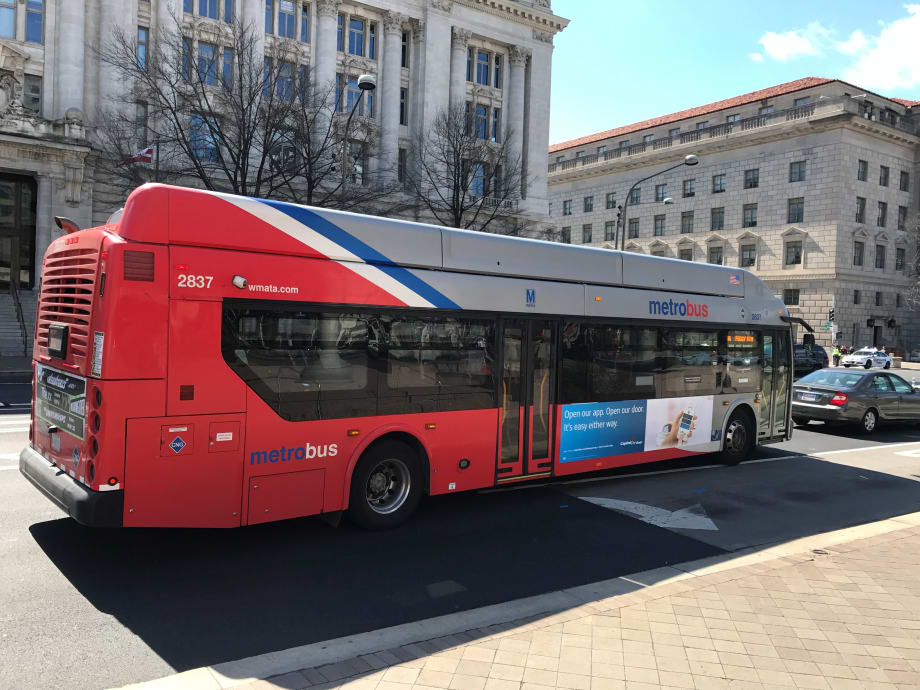
On August 23, new Metrobus schedules will take effect across the region, including the restoration of bus service on routes that have not had service in months and significantly more frequent service on almost every line.
METRO Magazine
The Washington Metropolitan Area Transit Authority (WMATA) is restoring most rail and bus service to pre-Covid levels across the region in the largest — and likely most complex — service change in the system's 44-year history. To support the effort, thousands of frontline WMATA employees will transition to new work schedules as the region continues its gradual recovery and more customers are expected.
Metrorail service changes took effect August 16, including the restoration of Silver Line service for the first time since Memorial Day. Six Fairfax County stations will reopen following planned summer work, resulting in 87 of 91 Metrorail stations open for customers. Wait times will be reduced dramatically, with trains running every eight minutes on each line during rush hours, and every 12 minutes on the Red Line and 15 minutes the Orange, Blue, Silver, Green, and Yellow Lines during off-peak times. Trains will arrive more frequently at stations served by more than one line.
On August 23, new Metrobus schedules will take effect across the region, including the restoration of bus service on routes that have not had service in months and significantly more frequent service on almost every line.
"Thousands of Metro employees are getting ready to support the region as we restore most Metro service," said WMATA COO Joe Leader. "The pandemic has posed challenges never before faced by Metro, and I want to extend my thanks to our customers — especially essential workers — for their understanding as we took unprecedented action to protect our essential frontline workforce and the public health. We're grateful for the sacrifice of workers across the region, including the Metro employees on the front line every day."
Planning for the COVID-19 service restoration began in mid-May. Because Metrorail and Metrobus operators have the right to pick work assignments based on seniority, adjusting service levels on a systemwide scale impacts the personal work schedules of more than 3,000 employees, many of whom are receiving training for their new work assignments or locations, and many of whom have child care and virtual schooling challenges for their families just like WMATA customers.
More Management
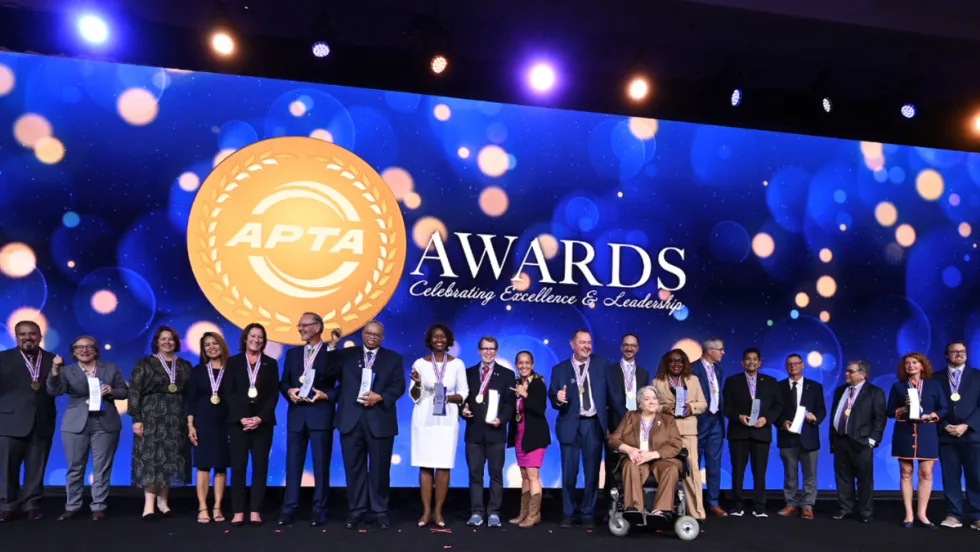
APTA Honors 2026 Award Winners, Hall of Fame Inductees at TRANSform & EXPO
Innovations in autonomous and zero-emission transportation, standout transit systems, and industry leadership took center stage among this year's honorees.
Read More →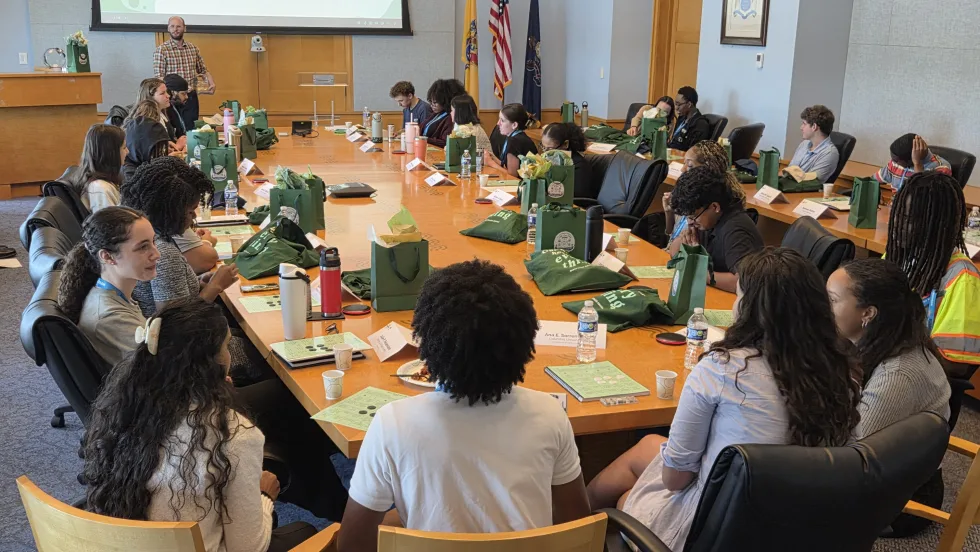
7 Ways to Build a Better Transit Internship Program
Lessons from DRPA/PATCO’s approach to creating a meaningful internship experience—and developing the next generation of transportation professionals.
Read More →
Scenes from APTA TRANSform & EXPO 2026
Transit leaders, manufacturers, and industry professionals gathered in Chicago to explore new technologies, share ideas, and discuss the future of public transportation.
Read More →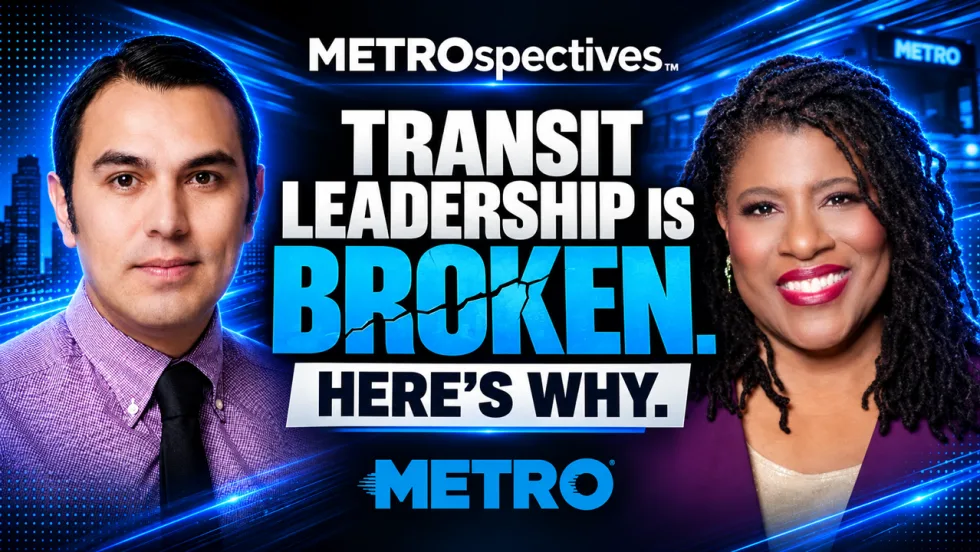
Building Stronger Leaders, More Resilient Transit Teams
Dr. Carol Parker Walsh discusses leadership development, employee retention, workplace culture, and preparing transit’s workforce for AI and automation.
Read More →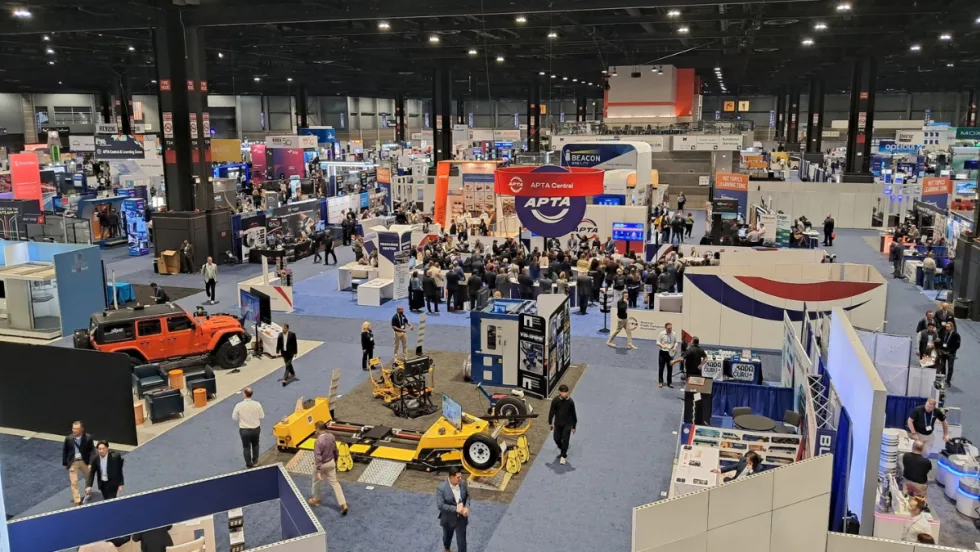
APTA 2026 TRANSform & EXPO Kicks Off in Chicago
After 45 years, APTA returns to Chicago with a focus on next-generation fleets, AI, connected transit networks, and the funding strategies shaping public transportation’s future.
Read More →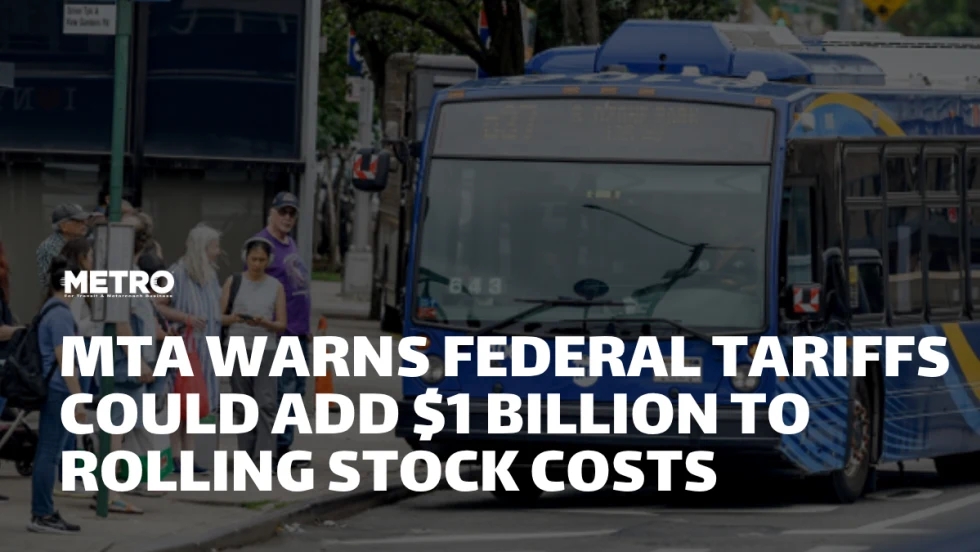
New York MTA Warns Federal Tariffs Could Add $1 Billion to Rolling Stock Costs
The agency said tariffs on specialized imported components could reduce the purchasing power of its $23 billion investment in new subway cars, railcars, and buses.
Read More →
From the Show Floor: What Happened at APTA TRANSform & EXPO 2026
See the latest product launches, partnerships, technology updates, and transit industry announcements from APTA TRANSform & EXPO in Chicago.
Read More →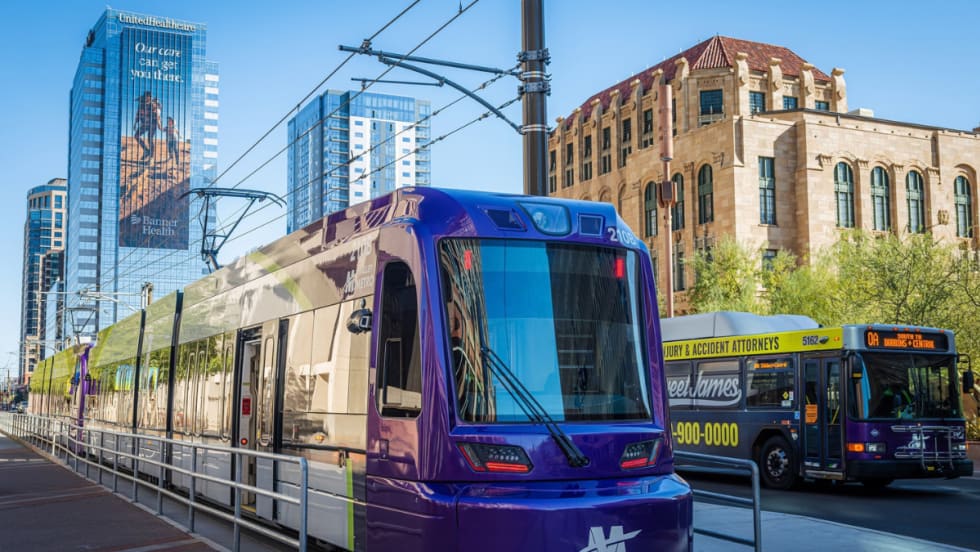
How Valley Metro Is Balancing Transit Growth With the Rider Experience
The APTA award-winning agency is pairing rapid system expansion with investments in workforce, safety, technology, and the fundamentals of transit service.
Read More →
Bus Tech Talk: Keeping Transit Technicians Ahead of the Technology Curve
In this episode of Bus Tech Talk, Complete Coach Works’ Business Development Manager Mark Hollenbeck and METRO’s Executive Editor Alex Roman sit down with Obed Mejia, Senior Technical Trainer for Bus Maintenance, at LA Metro to discuss how rapidly evolving bus technology is changing the maintenance shop — and the skills technicians need to keep pace.
Read More →
Michael Schneider Joins Paslay Group to Expand Transportation Practice
The longtime transportation executive will help Paslay Group grow its advisory and program management work across transit, highway, and other infrastructure sectors.
Read More →