



RELATED: How alt. delivery is helping build Seattle rail project
Seattle moving forward with Center City Connector streetcar project
In the coming months, agency will be updating the design specifications for streetcar vehicles.
by By Jeanne Clark
September 18, 2019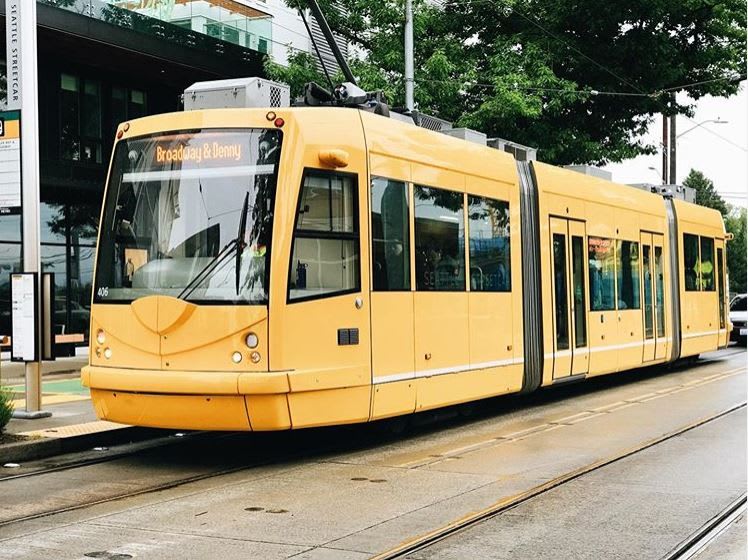
First Hill Streetcar, Yesler Way.
Jeanne Clark
3 min to read
First Hill Streetcar, Yesler Way.
Jeanne Clark
In August, the Seattle City Council appropriated $9 million so that we could move forward with essential design work to advance the Center City Connector project.
With this critical funding, we’re excited to be moving this transit project forward so that millions of people will have the opportunity to use a complete streetcar system providing easy connections between South Lake Union, the waterfront, Pioneer Square, Chinatown-International District, and First Hill.
Here are the key next steps moving forward with the streetcar project:
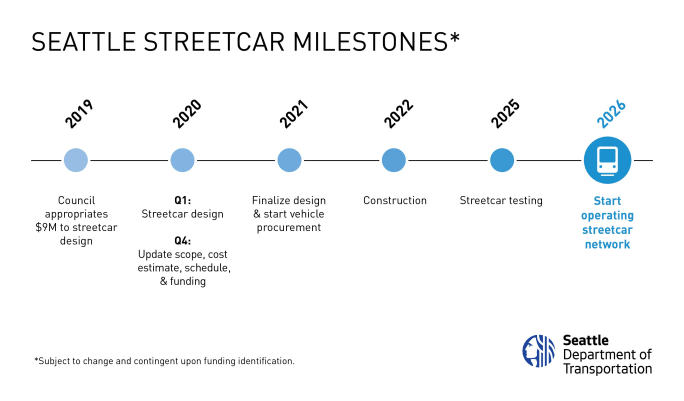
In April 2017, we entered into a contract with CAF USA to build 10 streetcar vehicles. In March 2018, Mayor Durkan ordered an independent review of the streetcar project budget and we issued a stop-work-order to halt production of these vehicles before they were built, while we worked to ensure the project had strong financial footing.
Now that we have a better understanding of the new project timeline, we’re ready to cancel the old streetcar vehicle contract and move forward.
Resuming work now under the old vehicle contract could have significantly increased project costs due to our new project timeline.
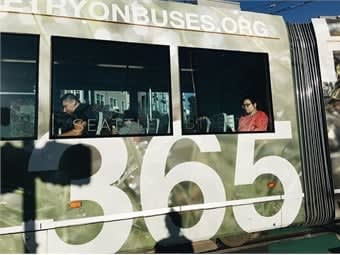
First Hill Streetcar up close.
Jeanne Clark.
The City has the flexibility to terminate the contract at any time which may save the City considerable money in the long run.
Seeking a new vehicle contract is the most fiscally responsible option for Seattle taxpayers and will offer several cost-saving opportunities:
A new bidding process will give companies a chance to propose plans to build vehicles that are closer to the size and weight of our existing streetcars.
A new contract will align with our current streetcar design timeline and eliminate financial risk and uncertainty associated with the old vehicle contract schedule.
Today, we informed CAF USA that we’re terminating the old vehicle contract and are preparing to move forward with seeking a new vehicle contract.
In the coming months, we’ll be updating the design specifications for streetcar vehicles to take into account the existing vehicle market in the U.S. and some of our system’s specialized needs. Once this work has been done, we’ll move forward by issuing an updated Request for Proposals for streetcar procurement.
We’ll also be moving forward with the essential engineering and facilities design work with the resources approved by City Council last month.
This work will help inform the new vehicle procurement and include a variety of necessary steps that align with the potential vehicle design specifications, such as making sure the streetcar platforms, maintenance facility, and roadway structures are ready for the new streetcars because many of the streetcar vehicles currently being manufactured are longer and heavier than our current streetcars.
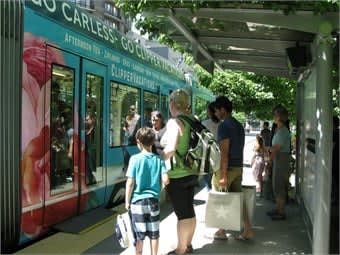
Passengers preparing to on-board the South Lake Union Streetcar.
SDOT
We’re preparing to search for a consultant to help complete this facilities engineering work and will release a request for qualifications for engineering consultants in the coming weeks.
Moving forward with engineering work will reduce risk and ensure we’ll be ready to comprehensively and responsibly deliver the entirety of the Center City Connector.
The additional design work will also be essential to help secure the funds prioritized for this project from the Federal Transit Administration (FTA).
Actions we’ll be taking over the next several months will help establish that we have a solid and dependable plan to finish building the streetcar and set us up for FTA’s approval of these federal funds.
This blog was originally posted by the Seattle Department of Transportation.
More Rail

New York MTA Advances Final Contract for Second Avenue Subway Expansion
Contract Four is the largest in the Second Avenue Subway Phase 2 project and includes construction of station infrastructure, tracks, and signals for the subway expansion, MTA officials said. Work on Contract Four will begin in 2027.
Read More →
San Diego MTS Breaks Monthly Trolley Ridership Record
Agency officials said July’s ridership indicates MTS’s continued recovery from the pandemic.
Read More →
Report Examines NJ TRANSIT Reliability, Funding Challenges
The Garden State Initiative analysis examines the roles of Amtrak infrastructure, fleet management, and agency operations while recommending a more performance-based approach to improving reliability.
Read More →
Stadler, CapMetro Sign Long-Term Rail Fleet Support Agreement
Beginning in 2027, Stadler will provide on-site technical expertise, spare parts support, training, and obsolescence management to help extend the reliability and longevity of CapMetro’s GTW fleet.
Read More →
Biz Briefs: Alstom Lands Canadian Contract, LYT to Supply California TSP, and More
In METRO's latest installment, we take a look at recent news from Complete Coach Works, Beep, FlixBus, and more partnerships making headlines across the transportation sector.
Read More →
CATS Gold Line Marks 5 Years of Service, 2.8M Passenger Trips
With a six-mile expansion planned, the Charlotte streetcar is positioned to connect more neighborhoods and major transit hubs across the region.
Read More →
Why Simulating Pedestrian Movement Has Become Essential for Modern Rail Stations
Pedestrian microsimulation is helping rail planners identify bottlenecks, test station designs, and prepare complex transit hubs for growing passenger volumes.
Read More →
Amtrak Begins Major Construction at New York’s Sunnyside Yard
The new maintenance facility will support Amtrak’s Airo trainsets while improving maintenance efficiency and turnaround times in New York.
Read More →
Chicago Leaders Unveil Plans for O’Hare Airport Express Train
The privately developed project would offer a 15-minute trip between downtown and O’Hare’s Terminal 2, with trains operating every 15 minutes on a dedicated track. The service would use battery-electric trains and three existing freight rail rights-of-way.
Read More →
OCTA Maps Out 30-Year Strategy to Protect Coastal Rail Corridor
The draft feasibility report identifies strategies to protect the coastal rail line for decades as the agency continues near-term stabilization and sand placement efforts.
Read More →