



Amtrak says it needs $1.475B to maintain minimum service levels
The railroad has seen a dramatic decline in demand for service since the pandemic, and is expecting ridership to only return to approximately 50% in FY 2021.

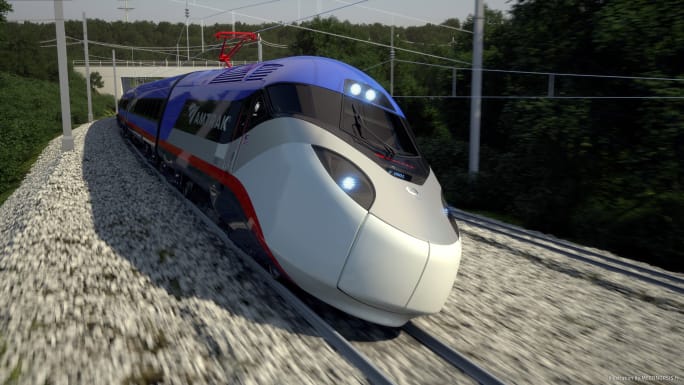
To help offset the impact of revenue losses, Amtrak is taking significant steps to reduce its operating costs by approximately $500 million. Amtrak
Amtrak submitted a letter to Congress outlining an additional $1.475 billion in supplemental funding needed in FY 2021. The additional funding is necessary for Amtrak to operate minimum service levels across the passenger rail network and continue capital investments for the future. The funds would also support Amtrak’s 17 state partners on the National Network and nine commuter and state partners on the Northeast Corridor.
“As the severity and duration of this pandemic and its economic fallout become clearer, we are seeking supplemental federal funding for the next fiscal year,” said Amtrak President/CEO Bill Flynn in the letter.
To help offset the impact of revenue losses, Amtrak is taking significant steps to reduce its operating costs by approximately $500 million, including temporarily reducing train capacity across its system to match demand, restructuring workforce, and controlling discretionary expenses. Yet even with these steps, Amtrak still requires additional federal investment in FY 2021.
“It is clear that Amtrak faces daunting challenges in Fiscal Year 2021, which will require us to take action to protect our rail network, our critical capital assets, and the livelihoods of our employees,” said Flynn in the letter.
With strong ridership and revenue levels in the first quarter of FY 2020, Amtrak was on track for another record-breaking year. However, Amtrak, like all other modes, has seen a dramatic decline in demand for service since the pandemic, and is expecting ridership to only return to approximately 50% in FY 2021. The $1.475 billion is in addition to Amtrak’s $2.040 billion annual grant request submitted to Congress earlier this year, and without the support, Amtrak officials say they will be unable to minimize the impacts to service and its workforce as described in the letter.
More Rail
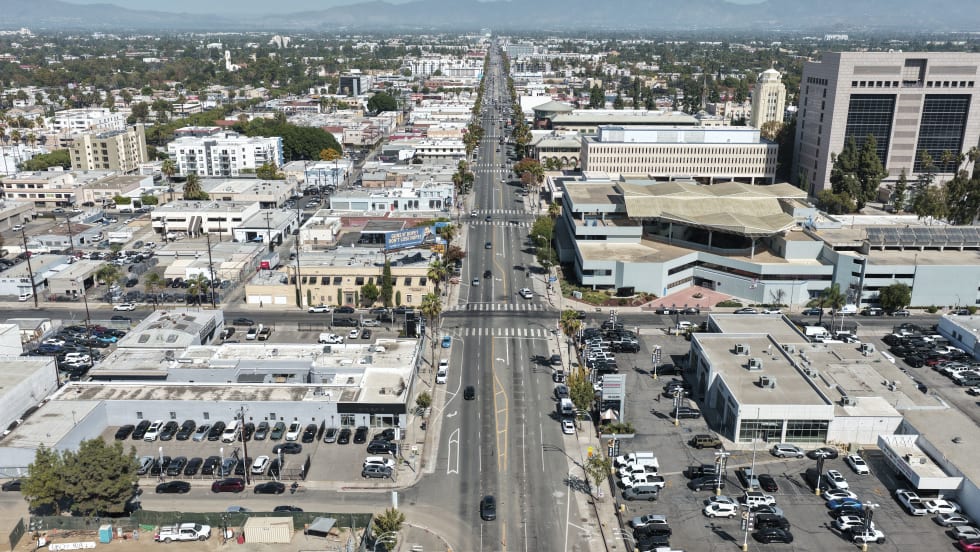
LA Metro Breaks Ground on East San Fernando Valley Light Rail Project
The 6.7-mile line will add 11 stations along Van Nuys Boulevard, expand access to jobs and regional transit connections, and support Metro’s broader efforts to improve mobility as rail ridership grows.
Read More →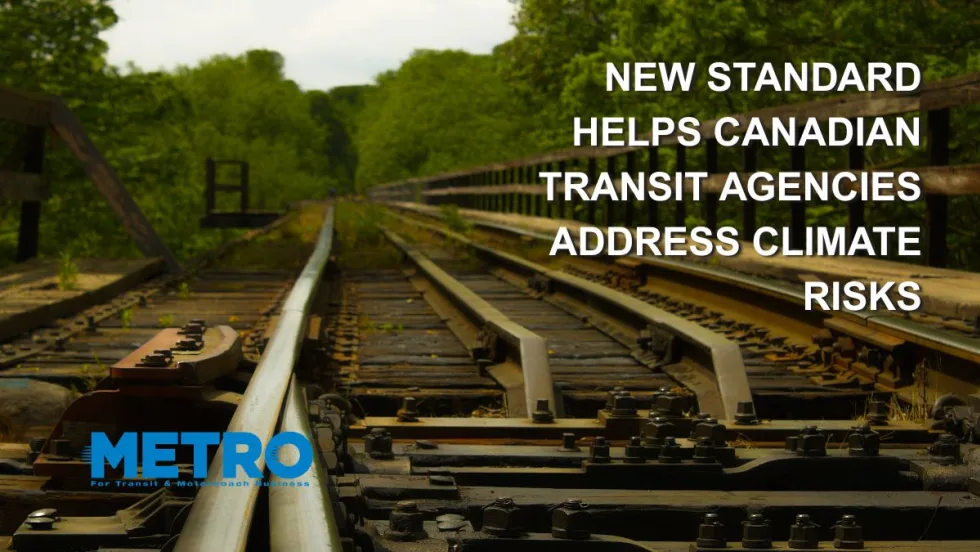
CSA Group Releases Climate Resilience Standard for Transit, Passenger Rail
Developed with support from the Standards Council of Canada, CSA D700 guides assessing climate-related risks and planning adaptation measures for transit and passenger rail systems.
Read More →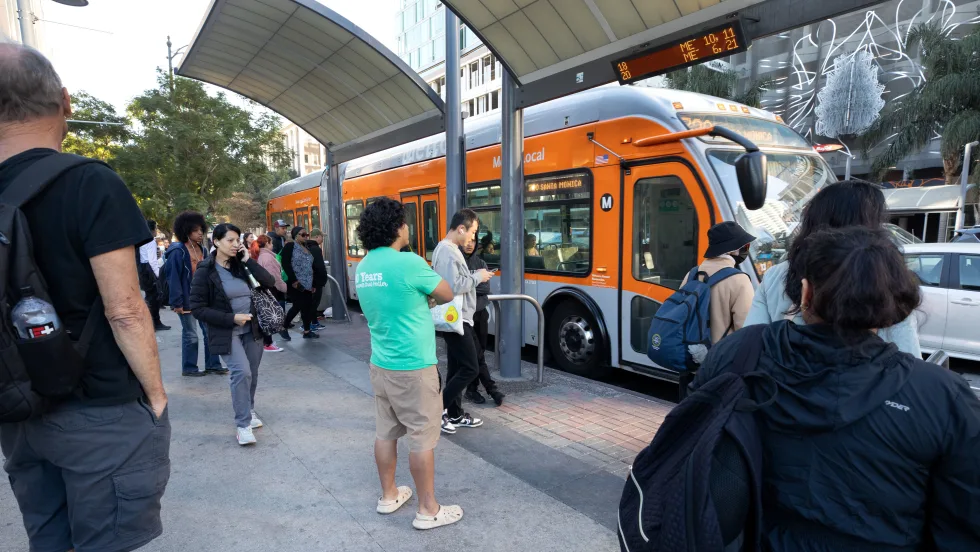
LA Metro September Ridership Climbs 3.9%, Led by Rail Growth
The agency recorded more than 27.2 million boardings, with rail ridership increasing 12.4% year over year and the D Line posting the largest gains.
Read More →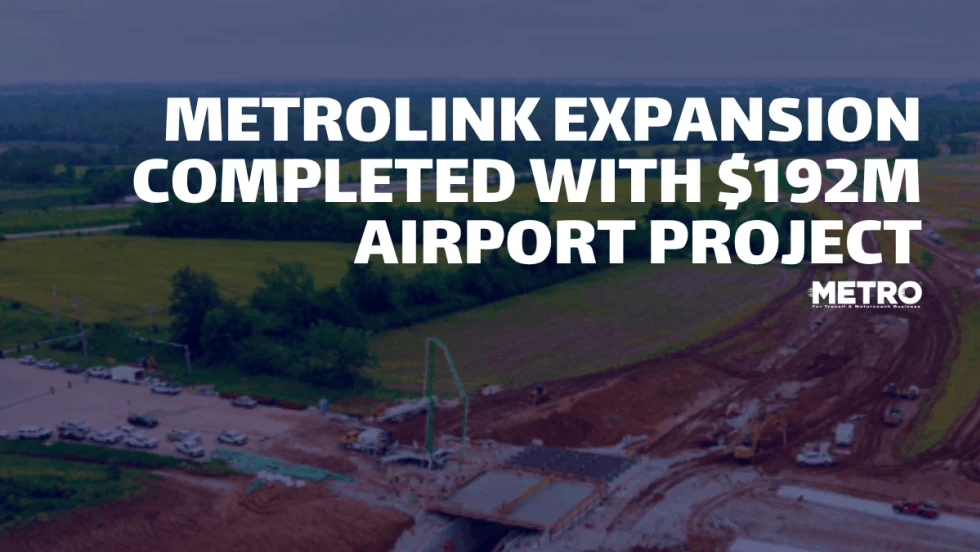
First Full MetroLink Rail Expansion Completed in 20 Years with $192M Airport Project
The project links two St. Louis-area airports by light rail while adding roadway and bike trail connections to improve regional access and mobility.
Read More →
Utilimarc Launches SmartReplace to Optimize Fleet Replacement Decisions
AI-powered SmartReplace helps fleets prioritize vehicle replacements, model budget scenarios, and build more defensible long-term strategies.
Read More →
Scenes from APTA TRANSform & EXPO 2026
Transit leaders, manufacturers, and industry professionals gathered in Chicago to explore new technologies, share ideas, and discuss the future of public transportation.
Read More →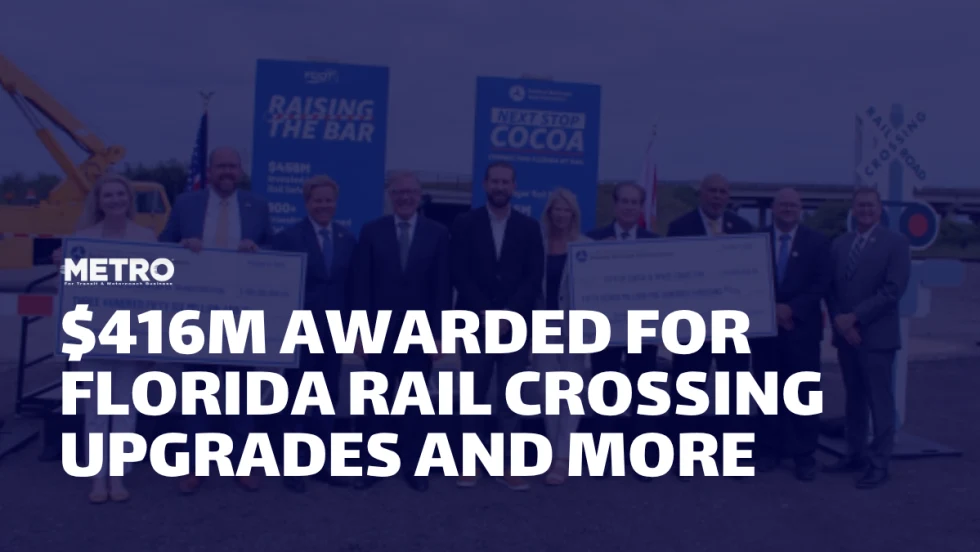
USDOT Awards $416 Million for Florida Rail Crossing Safety Upgrades, New Brightline Station
The projects aim to reduce risks for motorists and pedestrians at rail crossings while expanding passenger rail access along Florida’s Space Coast.
Read More →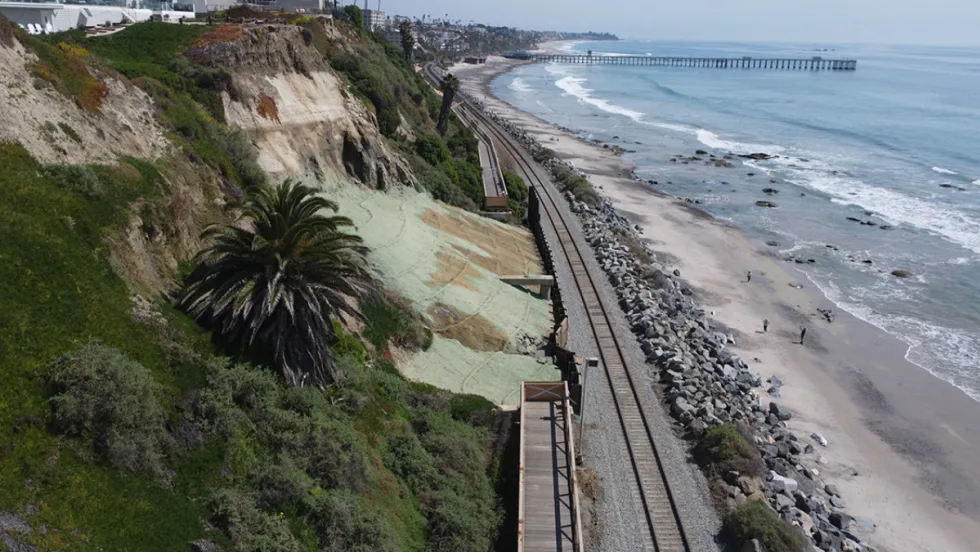
OCTA Declares Emergency to Protect Rail Corridor From Coastal Erosion
The California agency is accelerating shoreline protection and plans to place approximately 690,000 cubic yards of sand along the San Clemente coast to protect a key passenger and freight rail link.
Read More →
More Than a Summer Job: Building the Next Generation of Transit Talent
The Delaware River Port Authority and PATCO have transformed their internship program into a hands-on professional development experience that introduces students to the breadth of transportation careers — and creates a pipeline for future employees.
Read More →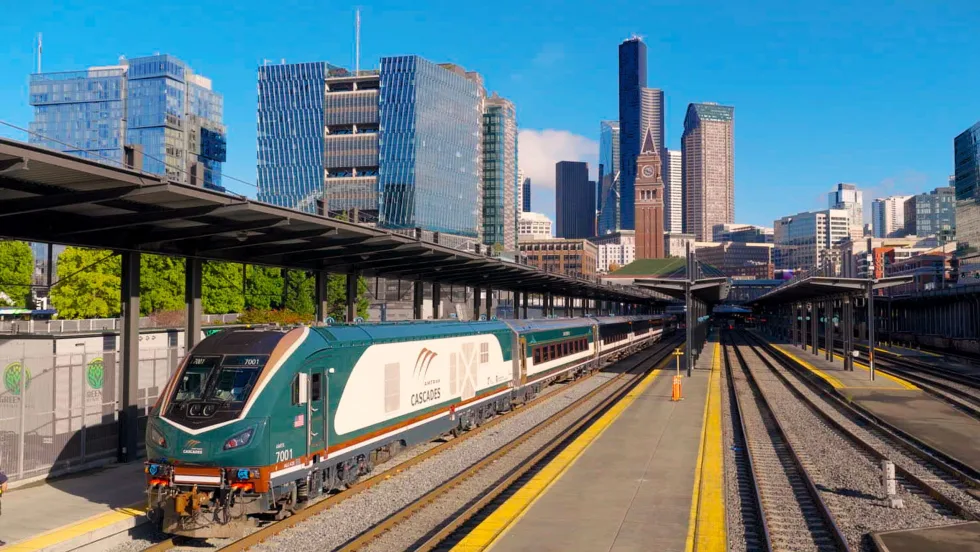
Airo Trains Make Their Amtrak Cascades Debut in the Pacific Northwest
Effective immediately, two cutting-edge Airo trainsets will join the Amtrak Cascades route, operating four daily trips between Vancouver, B.C., Seattle, Portland, and Eugene, Oregon, marking the first introduction of Airo trains into passenger service anywhere in the country.
Read More →